Best destinations for school trips in Vietnam — and what students actually learn in each
- Hanoi — understanding urban systems in practice
- Ho Chi Minh City — history and modernity side by side
- Hoi An — cultural continuity and adaptation
- Hue — encountering history in place
- Ha Long Bay — shifting pace and perspective
- Sapa — landscape and cultural diversity
- Mekong Delta — systems of livelihood and environment
- Choosing destinations as part of program design
Vietnam offers a wide range of destinations for school trips, and for many educators, choosing where to go is one of the first decisions in program design.
These destinations are often introduced through what students can see or do. But in practice, what matters more is what each place allows students to encounter — in terms of systems, history, culture, and everyday life.
Below is a closer look at some of the most commonly included destinations in Vietnam school trips, and how they function within an experiential learning context.
Hanoi — understanding urban systems in practice
Hanoi is often the starting point for school trips to Vietnam. Beyond its historical sites, what stands out is how the city functions.
Students encounter a dense urban environment where traffic, commerce, and daily life operate through patterns that are not immediately obvious. Sidewalks become extensions of businesses, movement is continuous, and systems adapt in real time.
This makes Hanoi a strong entry point for experiential learning, particularly for students exploring how complex systems operate outside formal structures.
Ho Chi Minh City — history and modernity side by side
Ho Chi Minh City presents a different dynamic. It is faster, more commercially driven, and layered with both recent history and rapid development.
Visits to sites such as the Cu Chi Tunnels or the War Remnants Museum provide historical context, but the city itself also raises questions about change, development, and globalisation.
For students, the learning often comes from holding these layers together, rather than treating them separately.
Hoi An — cultural continuity and adaptation
Hoi An is frequently included for its preserved architecture and cultural heritage. At the same time, it offers a setting where students can see how traditions are maintained and adapted.
Activities such as lantern-making or visits to craft villages are not only cultural experiences, but also entry points into understanding how local economies and identities are sustained.
Hue — encountering history in place
Hue provides a more structured historical environment, with sites linked to the Nguyen Dynasty and Vietnam’s imperial past.
Rather than presenting history as a single narrative, these locations allow students to engage with how the past is represented and interpreted in physical space.
Ha Long Bay — shifting pace and perspective
Ha Long Bay is often seen as a highlight of any Vietnam school trip. Its value goes beyond its natural beauty.
As a program element, it introduces a shift in pace. Time on the water, away from urban density, creates space for observation and reflection. It also raises questions around environmental preservation and tourism.
Sapa — landscape and cultural diversity
Sapa offers a different type of engagement, combining landscape with cultural interaction.
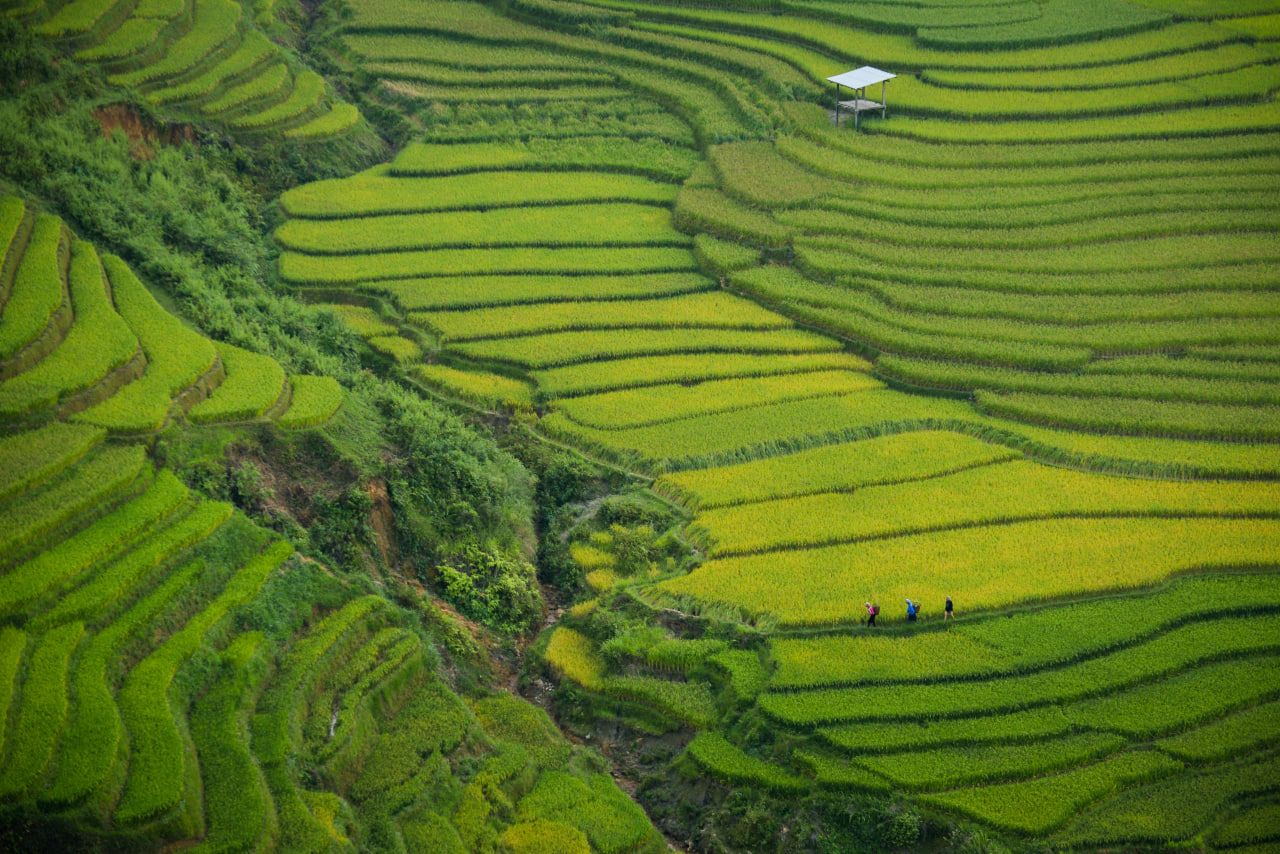
Students trekking through rice terraces and visiting ethnic minority communities are exposed to ways of life shaped by geography and tradition. These experiences require careful facilitation, but they can deepen understanding of diversity and livelihood.
Mekong Delta — systems of livelihood and environment
The Mekong Delta provides insight into agricultural systems and daily life connected to water.
Boat journeys, floating markets, and visits to local communities allow students to see how economic activity and environment are closely linked. Concepts such as sustainability and resource use become visible in practice.
Choosing destinations as part of program design
Selecting destinations for a school trip is not only about variety or coverage. It is about how different environments contribute to the overall experience.
A strong program often combines:
-
urban complexity
-
historical context
-
cultural participation
-
natural environments
Each destination plays a role in shaping how students engage, what they notice, and how they interpret what they experience.
Vietnam works well as a school trip destination because it offers this range within a relatively coherent program structure. The value, however, still depends on how these places are sequenced and used.
Where students go is not the outcome of a program. But it strongly influences what becomes possible within it.
More latest news

Festivals in Vietnam as a learning context for school trips
Festivals are not just cultural experiences in school trips to Vietnam. They are contexts where students engage with real-world systems, uncertainty, and collective behavior in ways that structured programs cannot replicate.
Read more…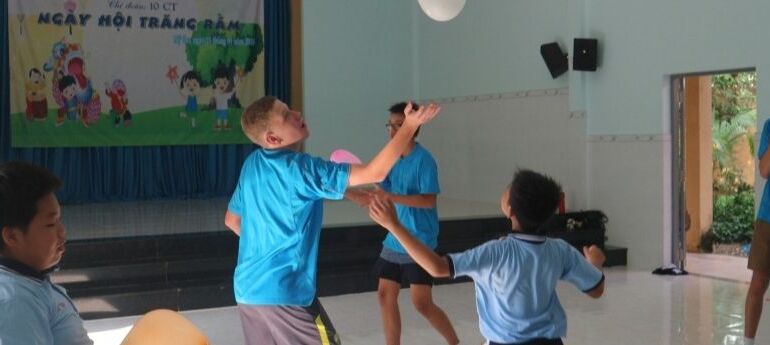
Culture exchange on school trips: what actually makes it meaningful
Culture exchange is a central goal of many school trips, but meaningful understanding does not automatically follow. This article looks at why most exchange remains surface-level, and what changes when students are able to interpret what they experience.
Read more…