What do we know about climate change?
Climate change did not start yesterday, and it is not something that will only happen in the future. It is already part of our lives, even if we don’t always notice it. Today, media is filled with headlines about global warming and environmental change, yet these large-scale issues often feel distant compared to the everyday concerns people pay attention to.
For many people, understanding climate change stays at the level of information. It is something you read about, rather than something you experience directly. That gap is part of the reason why the issue can feel less immediate than it actually is.
Part of the problem is how information is experienced. Many people know climate change exists, but it remains abstract. It is easy to focus on immediate concerns — daily costs, routines, responsibilities — especially if you are living in a place where the impact is not yet obvious. But for millions of people in regions like the Mekong Delta, this is not the case.
Climate change and the Mekong Delta
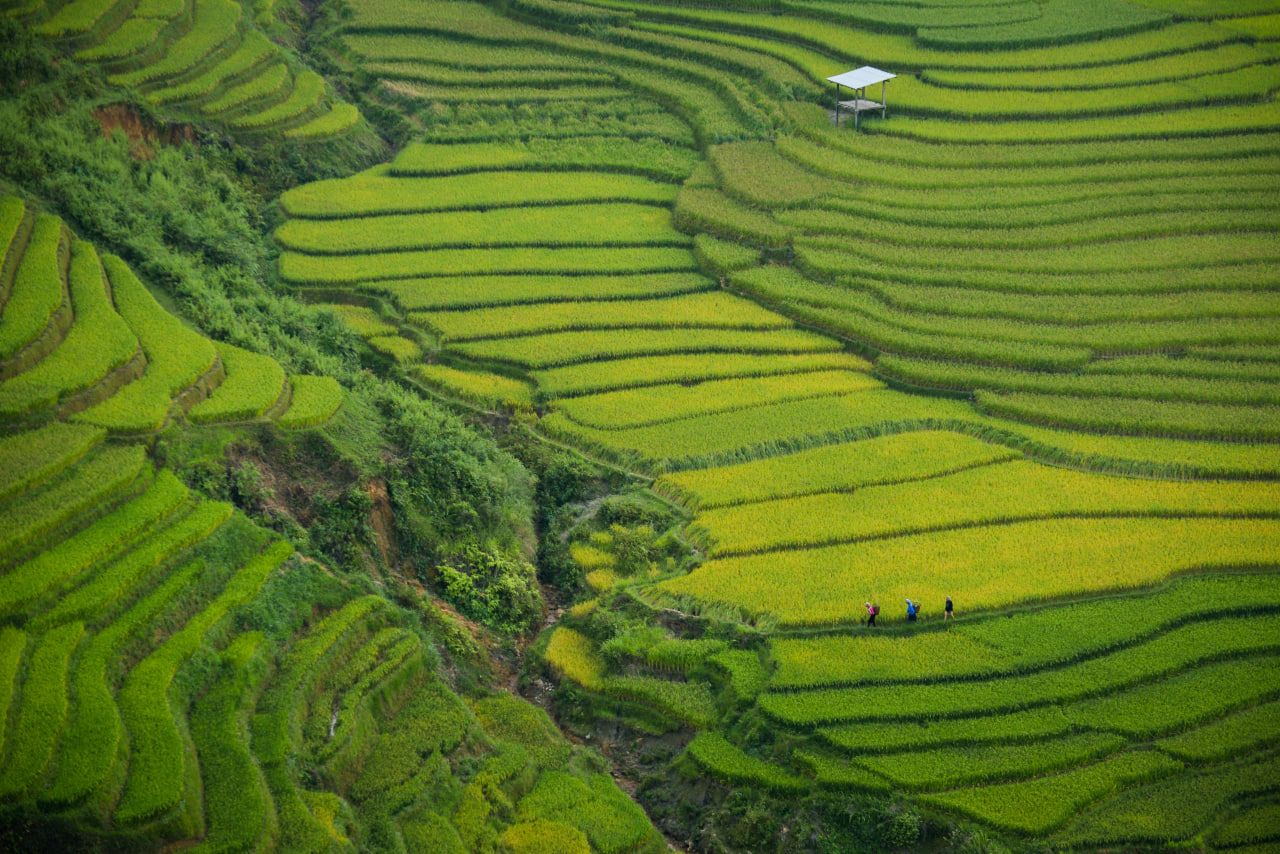
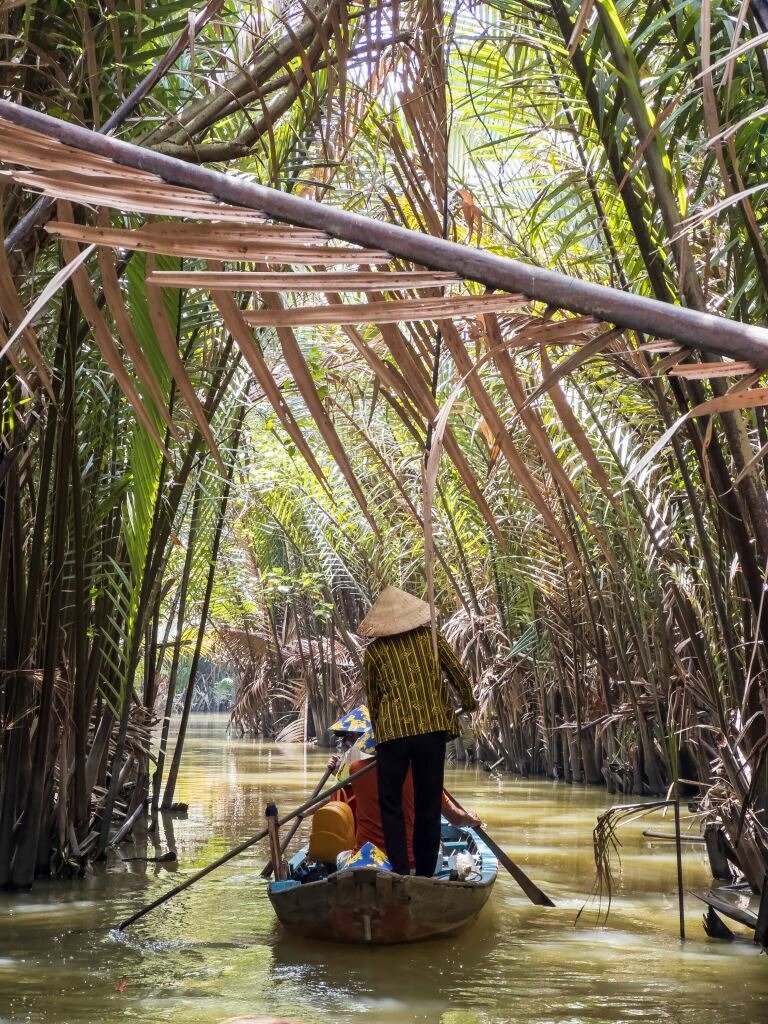
To understand why, it helps to look at how the Mekong Delta works as a physical environment. Unlike rocky coastlines, this region is formed by layers of sediment deposited by the river over thousands of years. This makes it highly fertile, but also more vulnerable to change.
Over the past decades, shifts in climate patterns have started to affect this balance. Rising sea levels, changes in water flow, and increasing salinity are no longer distant risks — they are part of current conditions.
You may have visited the Mekong Delta as a traveler, or heard about it as a destination. What is less visible at first is how these environmental changes are affecting daily life. For many visitors, this only becomes clear after spending some time moving through the region and paying attention to how things actually work.
What is actually happening
The Mekong Delta remains one of the most important agricultural regions in Vietnam, but that role is under pressure.
Saltwater intrusion is affecting soil quality, making it harder for farmers to grow crops that families have relied on for generations. Changes in water conditions are forcing adjustments in farming practices, and in some cases, reducing productivity altogether.
At the same time, migration patterns are shifting. Some communities are gradually moving toward urban areas, as maintaining livelihoods in certain parts of the Delta becomes more difficult.
These changes are not always dramatic, but they are steady — and visible if you know what to look for.
Why this matters
Climate change is often discussed through global data — temperature increases, sea level projections, and long-term forecasts. In places like the Mekong Delta, it becomes easier to understand because it is tied to everyday realities.
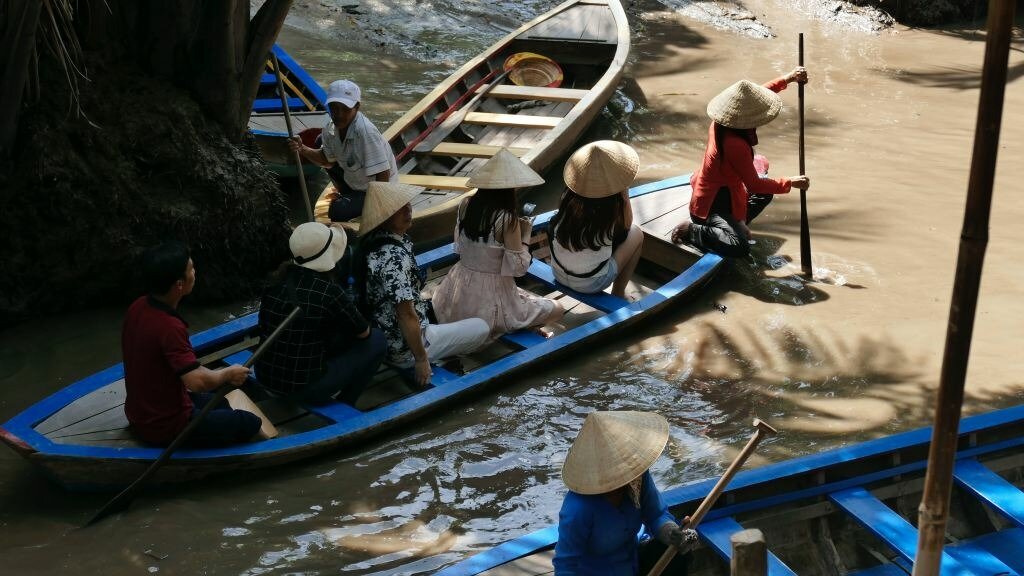
You see it in how land is used, how water is managed, and how communities respond over time.
For different types of learners — students, university groups, or even independent travelers — this creates a more direct way to engage with the topic. It is less about studying climate change as a concept, and more about noticing how it plays out in a specific place.
Conclusion
Climate change is already shaping parts of the world in visible ways, even if those changes are not always immediately obvious.
The Mekong Delta is one example where environmental shifts are closely linked to how people live and work. Understanding this does not require deep technical knowledge — sometimes it comes from simply paying attention to what is happening on the ground.
If you are interested in exploring this in a more direct way, short visits to the Mekong Delta are often structured to make these changes easier to observe, whether as part of a school program or independent travel.