From Field Trip to School Project: How Experiences in Ben Tre Inspire Environmental Action
From Field Trip to School Project: How Experiences in Ben Tre Inspire Environmental Action
Ben Tre is often known for its endless coconut groves and fertile orchards, but it is also a place where students can gain a deeper understanding of the environmental challenges facing the Mekong Delta. Through field trips and hands-on experiences, concepts such as climate change and saltwater intrusion become tangible and easier to grasp. From these experiences, many students begin transforming awareness into school projects and environmental initiatives.
A fertile land beneath endless coconut palms
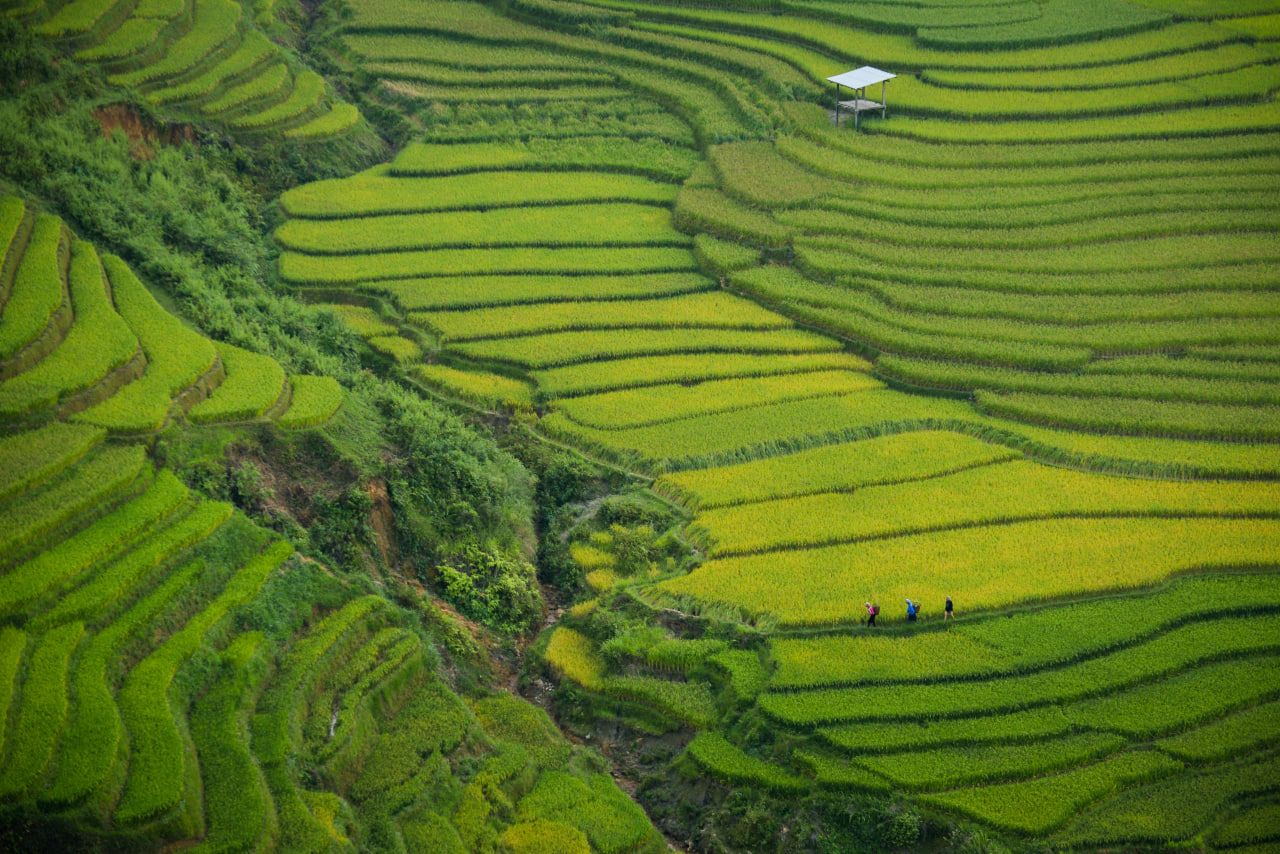
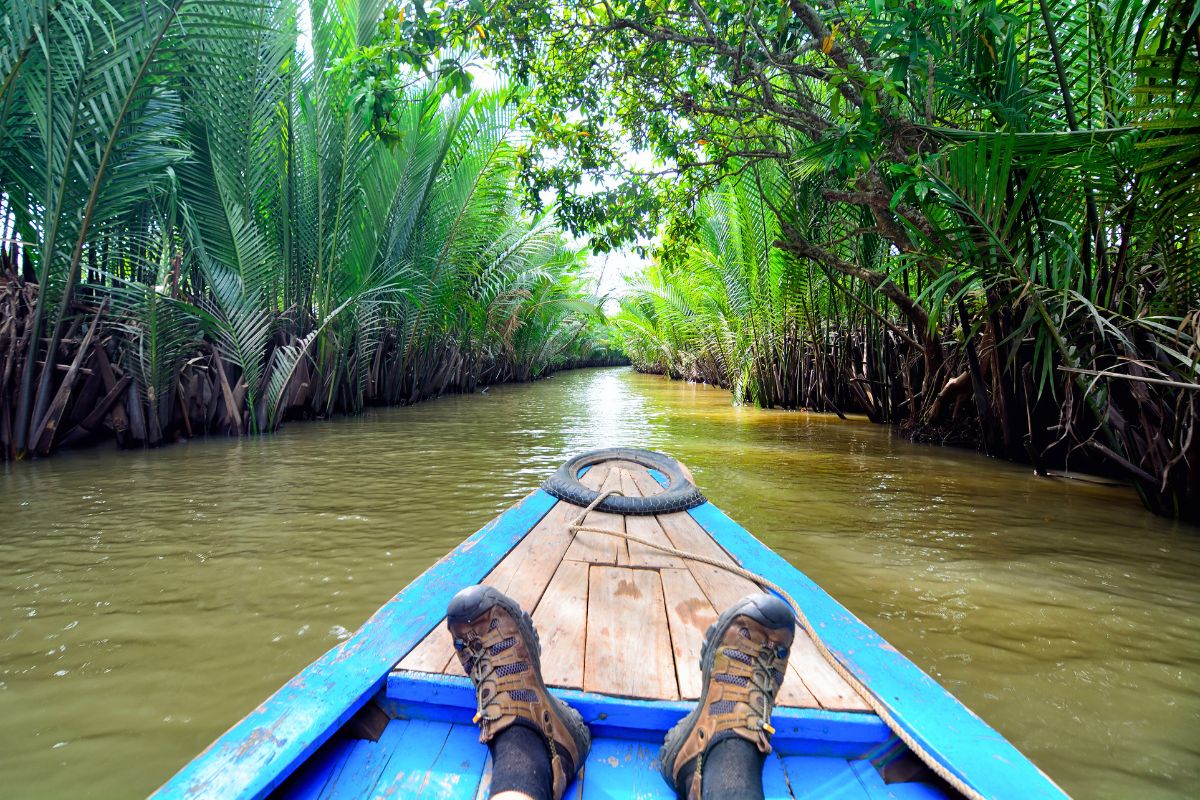
Located within the intricate river network of the Mekong Delta, Ben Tre has long been known as the “land of coconuts”. Coconut palms line the canals, fruit orchards flourish in the fertile soil and daily life follows the rhythm of the water.
Small boats move along quiet waterways, farmers tend to their orchards and communities rely heavily on the natural resources of the delta. For many international students, this landscape represents a tropical agricultural region rich in biodiversity and natural abundance.
However, beneath this peaceful scenery, the environment of the Mekong Delta is gradually changing. These changes may not always be immediately visible but they are steadily reshaping the future of the region.
Environmental changes quietly unfolding
In recent years, the Mekong Delta - including Ben Tre - has increasingly been highlighted in global discussions about climate change. One of the most significant challenges facing the region is saltwater intrusion, a phenomenon where seawater moves inland through river systems.
For an area that depends heavily on freshwater for agriculture and daily life, this shift can have far-reaching consequences. Farmland can be affected, freshwater supplies become more limited during the dry season and many communities must adapt to new environmental conditions.
At the same time, coastal ecosystems and mangrove forests - often considered the region’s natural ecological shield - are also under pressure. These ecosystems help reduce coastal erosion and protect shorelines from strong waves, while also serving as habitats for water birds, aquatic species and complex ecological networks.
When these ecosystems decline, the impacts extend beyond nature itself, affecting local livelihoods and economic activities as well.
When environmental issues become visible through real-world experience
For many students, terms like “climate change”, “saltwater intrusion” or “biodiversity loss” often remain abstract ideas encountered only in textbooks.
This is where field trips to Ben Tre offer a unique educational value. They transform abstract concepts into experiences that students can actually observe and understand.
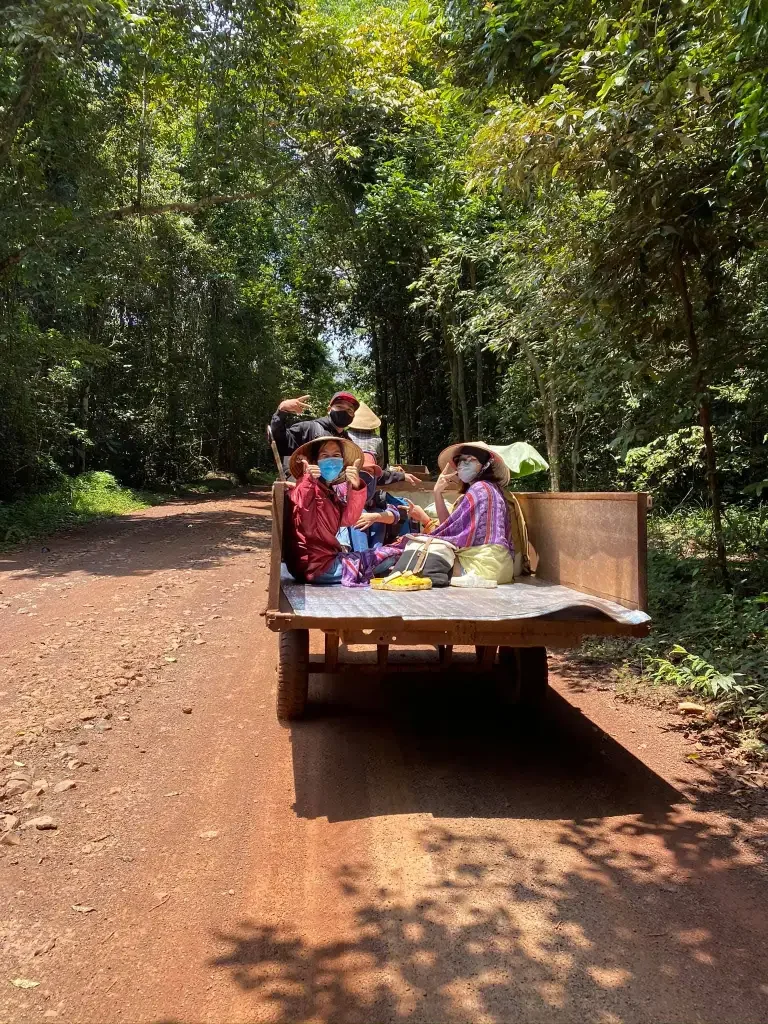
By stepping into the landscape of the Mekong Delta, students begin to see how closely the environment is tied to everyday life. They may hear local residents describe how changing water conditions affect farming, learn about the importance of coastal ecosystems or observe how communities adapt to environmental changes.
Through these experiences, environmental issues become more than distant global problems - they become real stories unfolding in the lives of people and communities.
From local experiences to global environmental awareness
One of the most important realizations students gain from field trips is the connection between local environments and global systems.
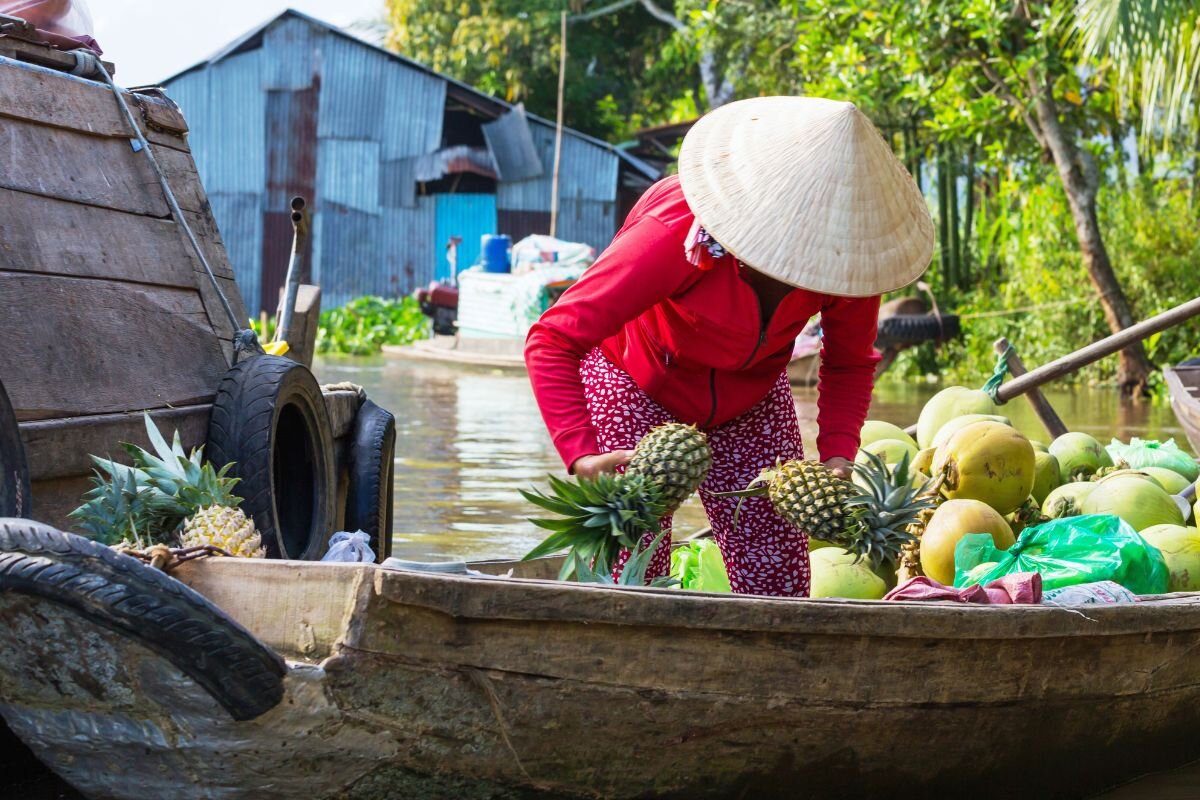
The Mekong Delta is one of Asia’s most important agricultural regions, playing a key role in supplying rice, fruits and seafood to international markets. Environmental changes in this region can therefore influence food systems, economies and ecosystems far beyond its borders.
What happens in a small delta landscape in Southeast Asia can create ripple effects across the global environment.
Recognizing this interconnectedness helps students understand that environmental challenges are not isolated issues. Instead, they are part of complex global systems where human activities, ecosystems and economies are deeply linked.
From field trip experiences to student-led environmental action
Perhaps the most meaningful impact of educational field trips is that the learning does not end once the journey is over.
After returning to school, many students transform their experiences in Ben Tre into academic projects or environmental initiatives. Some conduct small research projects on climate change and delta ecosystems, while others organize presentations, awareness campaigns or sustainability clubs within their schools.
These initiatives may start as simple ideas, but they allow students to turn observation into action. More importantly, they encourage students to reflect on their own role in addressing environmental challenges.
Sometimes, all it takes is one meaningful experience in the field to spark a deeper sense of environmental responsibility.
And from that moment, a simple school project can become the beginning of a long-term commitment to protecting the natural world.
More latest news
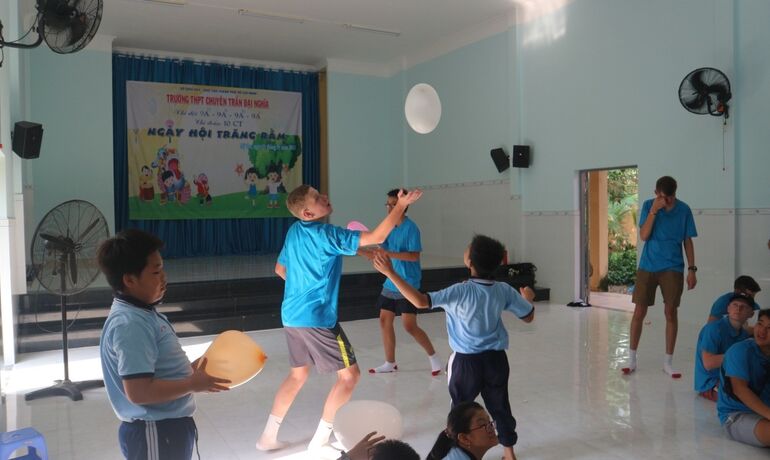
Embracing Cultural Exchange in Vietnam - A Guide to Meaningful Experiences
Vietnam, with its rich history, diverse traditions, and warm hospitality, offers a fertile ground for cultural exchange. This blog explores how cultural exchange programs in Vietnam foster mutual understanding, enrich perspectives, and create lifelong memories.
Read more…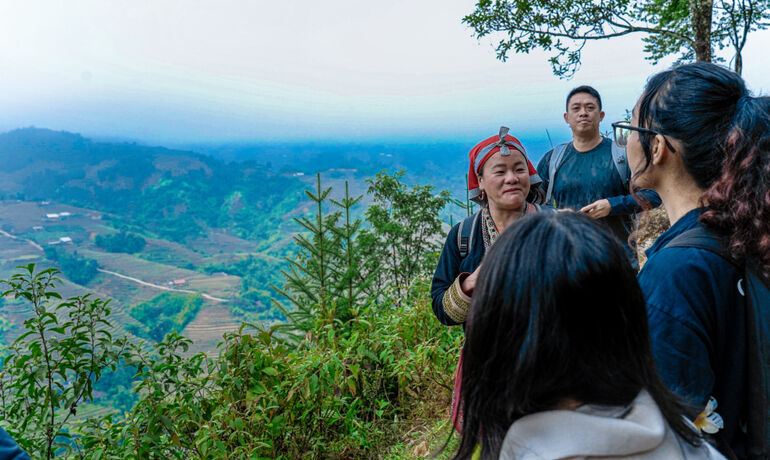
Exploring STEM Travel Programs in Vietnam - Where Education Meets Adventure
Vietnam, a country steeped in history and rich in cultural diversity, is also emerging as an exciting destination for STEM (Science, Technology, Engineering, and Mathematics) travel programs. From innovative projects to ecological explorations, Vietnam offers a myriad of opportunities for students and enthusiasts alike to engage deeply with STEM
Read more…
5 Ways to embrace Sustainable Tourism in Vietnam
5 Ways to Embrace Sustainable Tourism in Vietnam Tourism in Vietnam presents an opportunity to make a positive impact on the environment and society while enjoying the country's beauty. By adopting sustainable practices, travelers can contribute to the
Read more…