Designing school trips to Vietnam: from destinations to learning context
Vietnam is often introduced through a list of destinations — Hanoi, Ha Long Bay, Hue, the Mekong Delta. For many schools planning a trip, this layer matters more than people admit. Travel still needs to be engaging. Students and teachers expect places that are worth going to, not just academically justified.
At the same time, the value of a school trip does not come from the destinations alone. What matters is how those places function as a context for student learning, and how they are structured into a program that is workable in practice — in terms of logistics, risk, group management, and cost.
The question is not whether destinations matter, but how they are used.
Destinations as entry points, not endpoints
Cities like Hanoi or Ho Chi Minh City are often included for their cultural and historical significance. That is valid, but what students encounter there goes beyond landmarks.
They are stepping into systems that operate differently from what they are used to — traffic that moves without strict rules, public and private space blending into each other, small-scale economies functioning alongside formal structures. These are not explained in advance, but they are visible.
For program design, this creates a tension. These cities are dense, fast-moving, and at times overwhelming. From an operational perspective, they require careful pacing, clear supervision, and thoughtful routing. But when managed well, they also provide one of the strongest entry points into experiential learning, precisely because students cannot rely on familiar assumptions.
Balancing iconic experiences and practical constraints
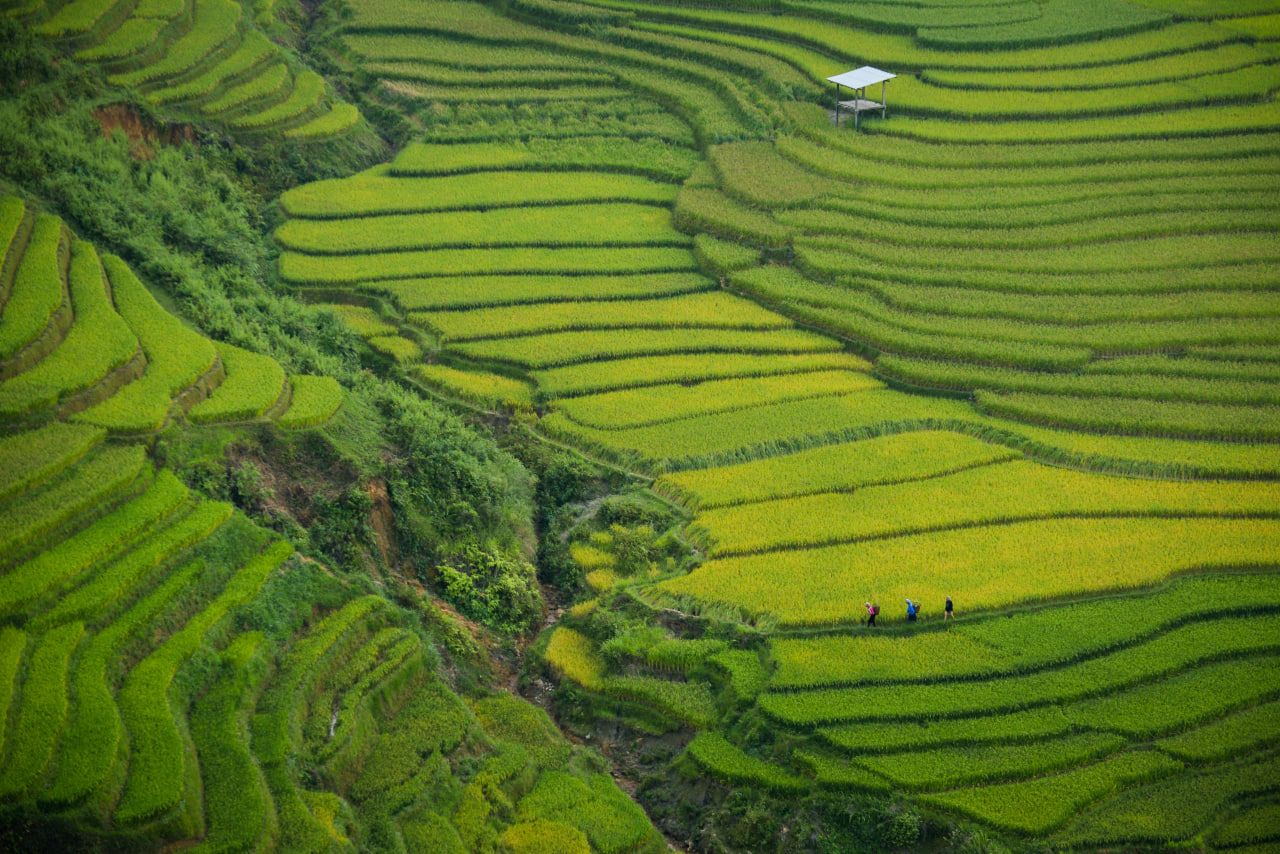
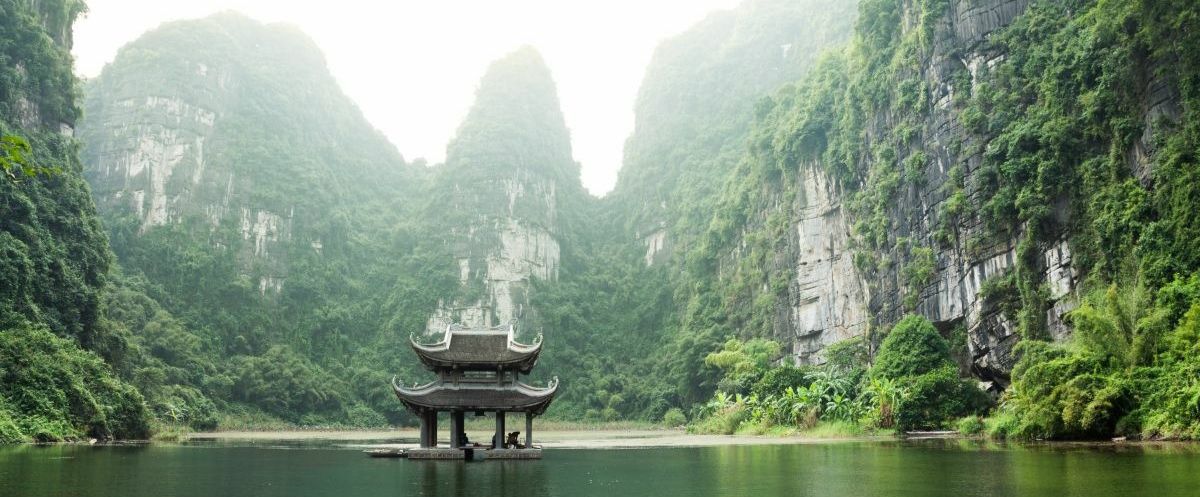
Places like Ha Long Bay or Sapa are often considered essential stops. They are visually compelling, relatively accessible, and logistically well-established. For many groups, they provide a necessary balance — moments of openness, movement, and reset within a packed itinerary.
This is not just about “seeing something beautiful.” It is also about managing energy, attention, and group dynamics over the course of a trip. Long travel days, weather conditions, and safety considerations all come into play.
From a learning perspective, these environments shift the pace. Students move from dense urban observation to more open-ended experiences, where reflection can happen more naturally. The value here is not only what is seen, but how the rhythm of the program is shaped.
History in place, not just in content
Hue, the Cu Chi Tunnels, and various museums are often framed as historical sites. They are included because they align with curriculum and provide clear educational value.
In practice, they also introduce a different layer of complexity. Historical narratives are not always presented in a single, neutral way. Students encounter interpretations that are shaped by context, perspective, and memory.
Operationally, these sites require structure — timing, crowd management, and clear briefing. But beyond that, they offer moments where students have to navigate what they are seeing without being given a complete framework. This is where the educational value tends to deepen, if space is held for it.
Participation within cultural settings
Experiences such as temple visits, local interactions, or rituals are often included as “cultural exposure.” What makes them meaningful is not the activity itself, but how students enter them.
These settings are sensitive. They require clear boundaries, minimal but precise guidance, and awareness of group behaviour. Poorly handled, they can become superficial or even disruptive.
When approached carefully, they allow students to move from observation to participation. Understanding is not delivered — it is built through adjustment, attention, and response to the environment.
Rural contexts and lived systems
In the Mekong Delta or similar regions, students encounter a different set of systems — agriculture, local trade, and community life shaped by geography.
These are often some of the most logistically complex parts of a program. Travel time, infrastructure, and safety considerations need to be planned carefully. At the same time, they offer a contrast that is difficult to replicate elsewhere.
Concepts such as sustainability, resource use, and development become tangible, not because they are explained, but because they are visible in everyday life.
Pulling it together
A workable school trip sits at the intersection of several constraints:
- destinations that are worth traveling to
- logistics that are realistic and safe
- costs that are manageable
- a structure that supports both engagement and learning
Vietnam offers a strong combination of these factors. But the outcome still depends on how they are brought together.
Destinations matter. They shape the experience, the energy of the group, and the overall viability of the program. But they are not the outcome. They are the platform.
What students take away depends on how those destinations are sequenced, entered, and experienced — not just as places to visit, but as contexts that require attention, adjustment, and interpretation.
More latest news

Festivals in Vietnam as a learning context for school trips
Festivals are not just cultural experiences in school trips to Vietnam. They are contexts where students engage with real-world systems, uncertainty, and collective behavior in ways that structured programs cannot replicate.
Read more…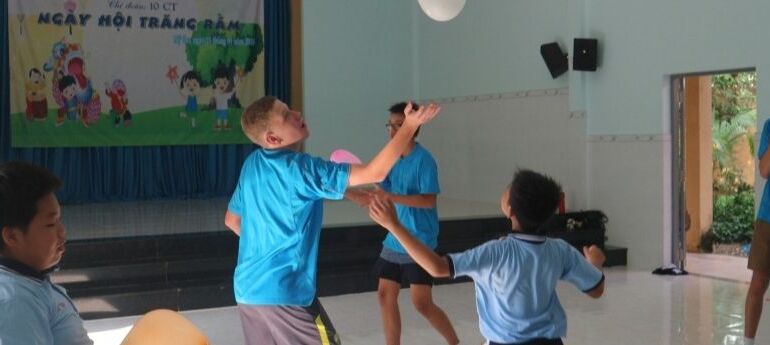
Culture exchange on school trips: what actually makes it meaningful
Culture exchange is a central goal of many school trips, but meaningful understanding does not automatically follow. This article looks at why most exchange remains surface-level, and what changes when students are able to interpret what they experience.
Read more…