School trips to Vietnam — what actually works (and what doesn’t)
Schools don’t struggle to justify running a field trip. What they struggle with is choosing a program that actually delivers something beyond a busy schedule. Vietnam is increasingly considered for school trips, but not every Vietnam school trip program works the way people expect.
Why many Vietnam school trips fall flat
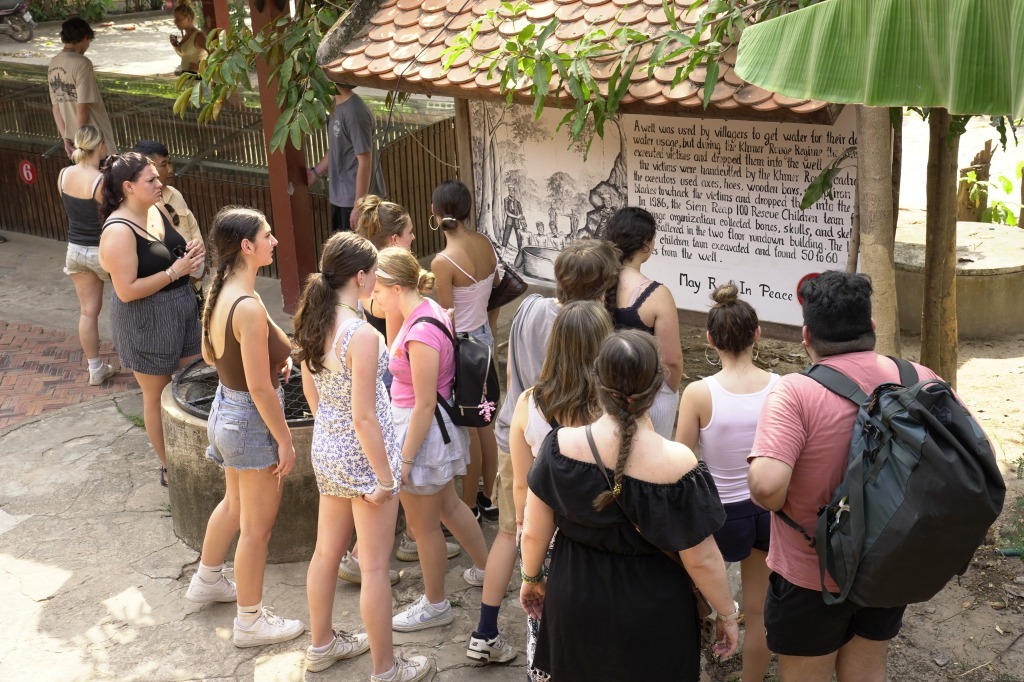
A large number of school trips to Vietnam follow a familiar format: visit sites, listen to explanations, move on. On paper, this looks comprehensive. In practice, it produces the same outcome students already get in the classroom — information without engagement.
Vietnam does not fix that problem by itself. If a Vietnam school trip is structured like a traditional tour, the result is predictable regardless of how “interesting” the destination is supposed to be.
What actually works in a Vietnam school trip
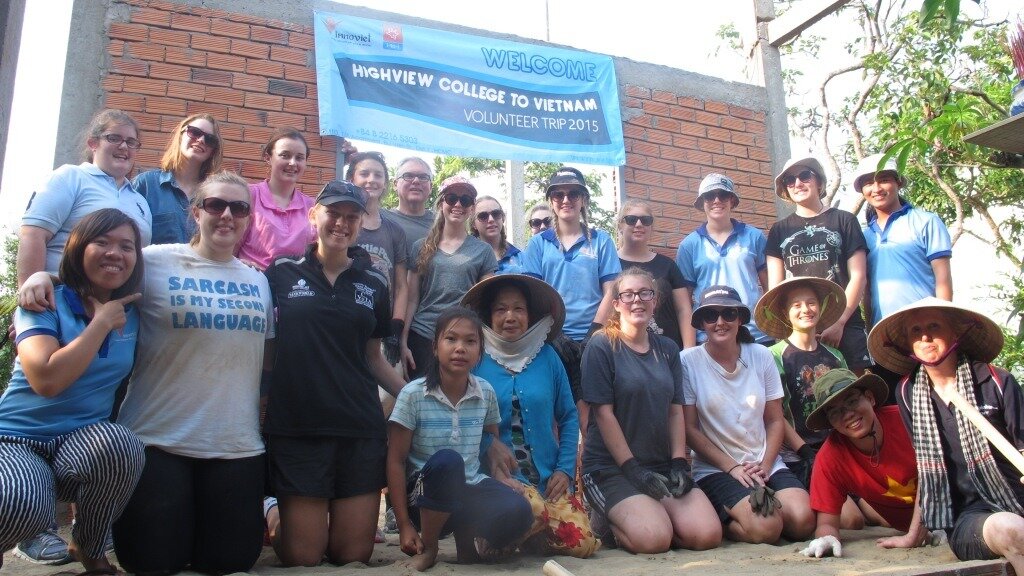
Where Vietnam starts to make sense is when the program stops trying to “cover” the country and instead puts students into situations they have to actively engage with.
In Ho Chi Minh City, that might mean understanding how the city actually functions — traffic, informal economy, public space — rather than being told about it. In the Mekong Delta, it is less about learning environmental theory and more about seeing how water, farming, and daily life interact in real time. In historical contexts, it works when students are exposed to competing narratives, not a single curated version.
The common factor is that students are not just receiving information. They are forced to interpret what they see.
The structure problem most programs get wrong
Most Vietnam school trip programs fail because they over-structure the experience. Everything is explained, timed, and controlled. This makes the program feel safe, but it removes the friction that creates learning.
At the same time, removing structure entirely does not work either. It creates confusion rather than engagement.
The programs that tend to work sit in an uncomfortable middle ground. Students are given enough context to engage, but not enough to avoid thinking.
Who Vietnam school trips are actually for
Vietnam is not a universal fit.
School trips to Vietnam tend to work best for programs that are open to inquiry-based learning and are comfortable with outcomes that are not immediately measurable. They tend to work less well for groups that require tightly defined academic outputs at every stage.
The difference is not in the destination, but in what the school expects from the experience.
Practical constraints you cannot ignore
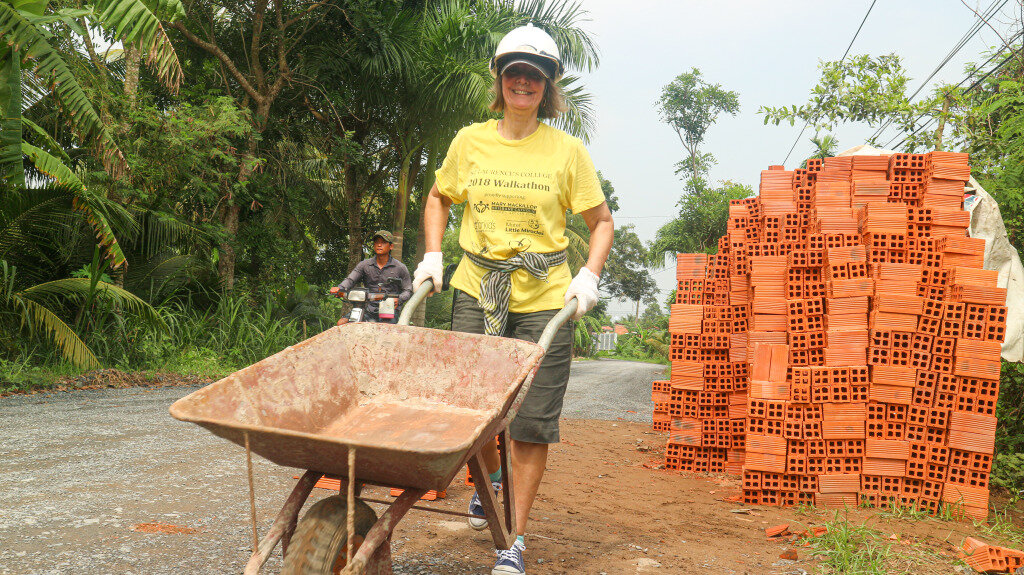
Vietnam is logistically manageable, but not frictionless. Movement between locations takes time, environments can be physically demanding, and communication is not always smooth outside major cities.
Programs that try to eliminate these constraints often become generic. Programs that ignore them lose control. The design has to work with these realities, not against them.
So, is Vietnam a good choice for a school trip?
The question is not whether Vietnam is a “good destination.” The question is whether you are willing to run a program that is not fully predictable.
If you are looking for something polished, comfortable, and easy to quantify, there are simpler options elsewhere. If you are looking for a school trip where students have to engage, interpret, and occasionally struggle to make sense of what they are seeing, then Vietnam can work — but only if the program is built for that.
If helpful, we can walk through how Vietnam school trip programs are typically structured depending on subject focus and group profile, and where certain approaches tend to work better than others.
More latest news

Culture exchange on school trips: what actually makes it meaningful
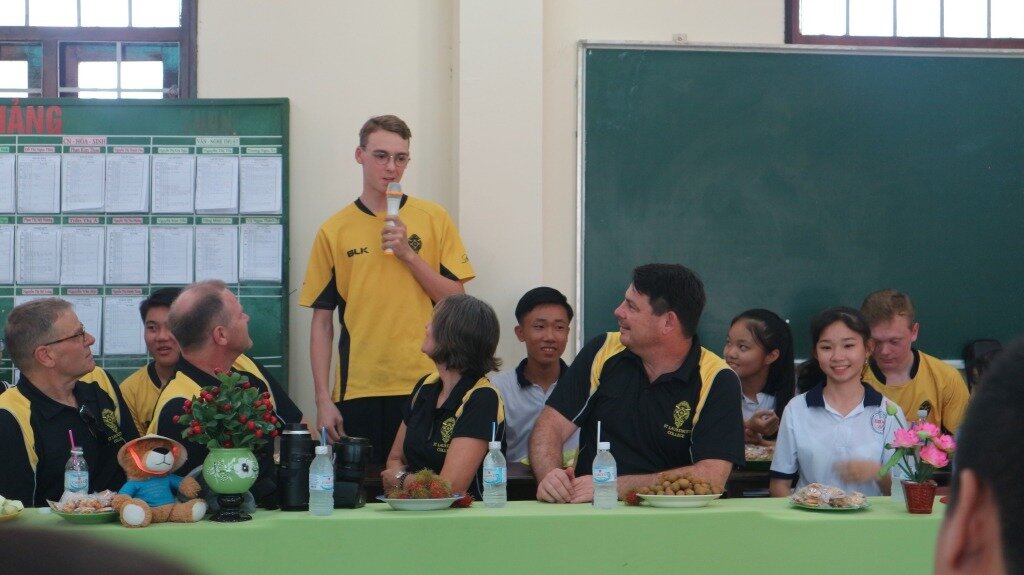
Culture exchange is a central goal of many school trips, but meaningful understanding does not automatically follow. This article looks at why most exchange remains surface-level, and what changes when students are able to interpret what they experience.
Read more…