About
What this program is built around
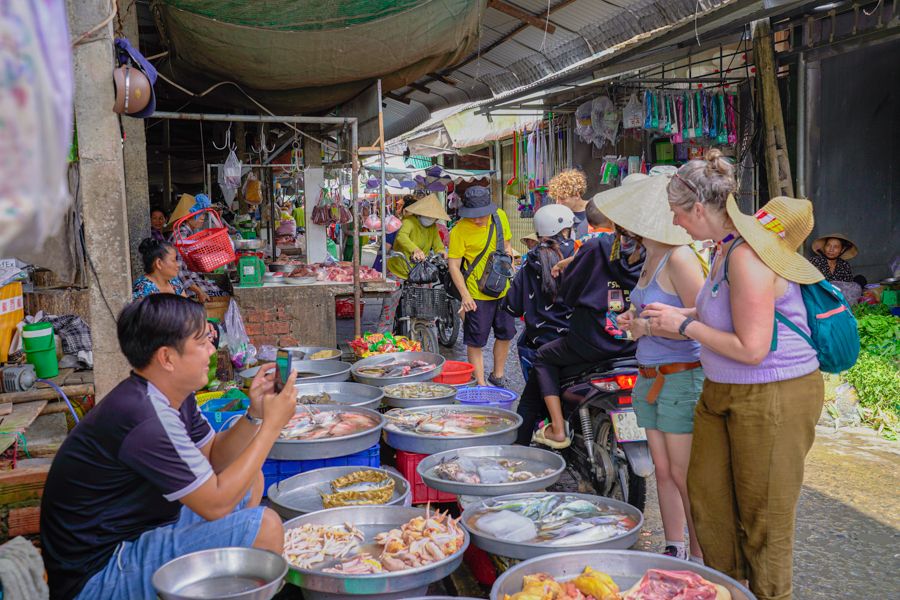
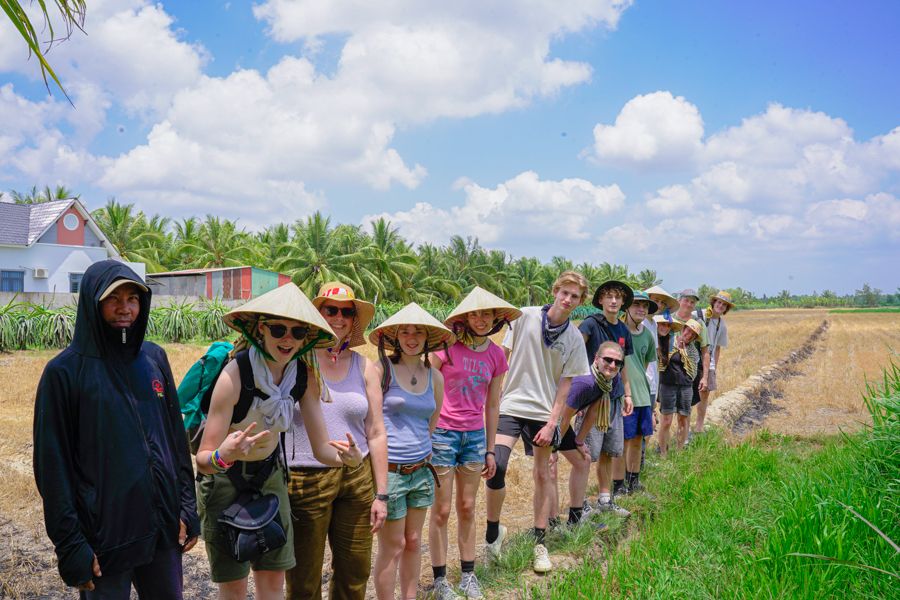
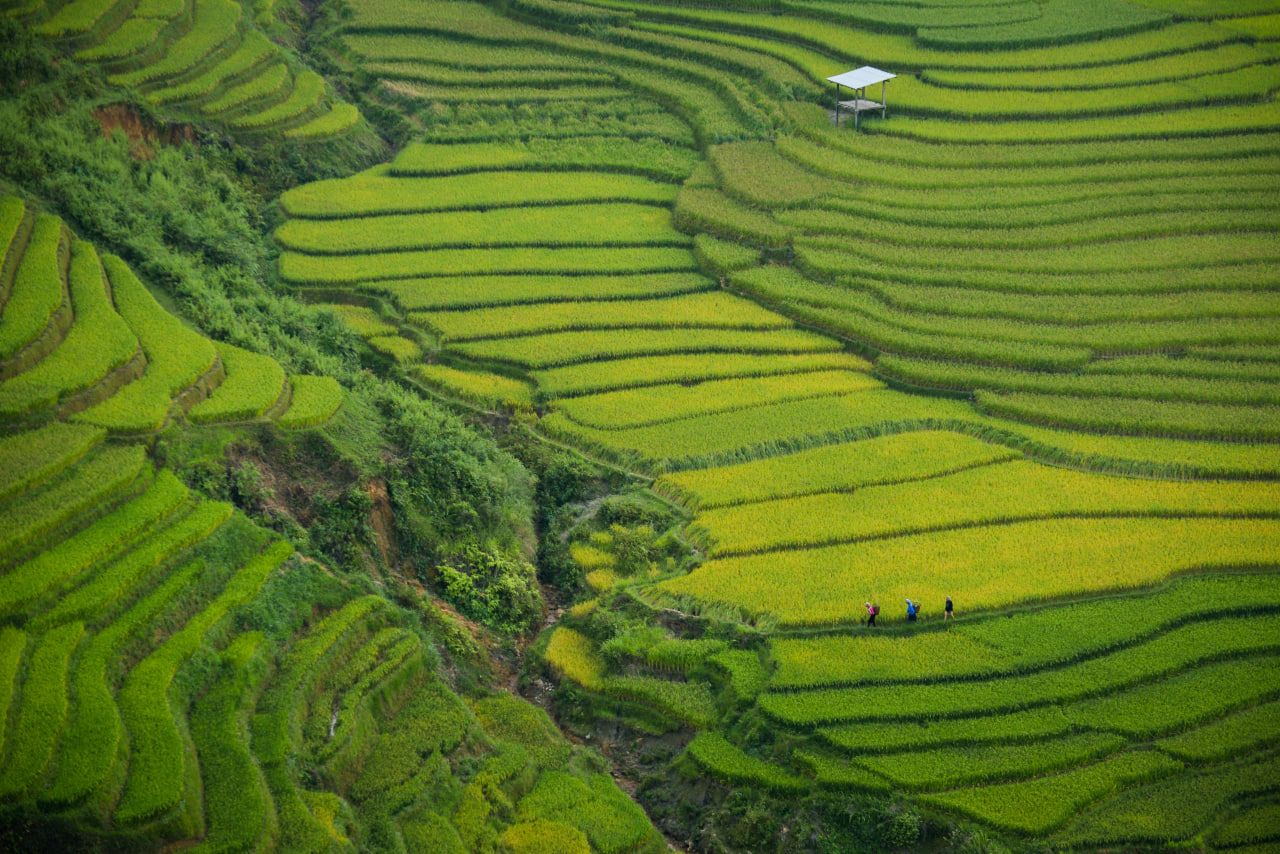
This program is built around Vietnam’s food system as something lived, local, and connected to larger economic and global processes. Rather than studying supply chains only through abstract diagrams, participants move through rice fields, gardens, markets, river communities, urban food spaces, and institutional visits that show how production, trade, labor, and culture intersect.
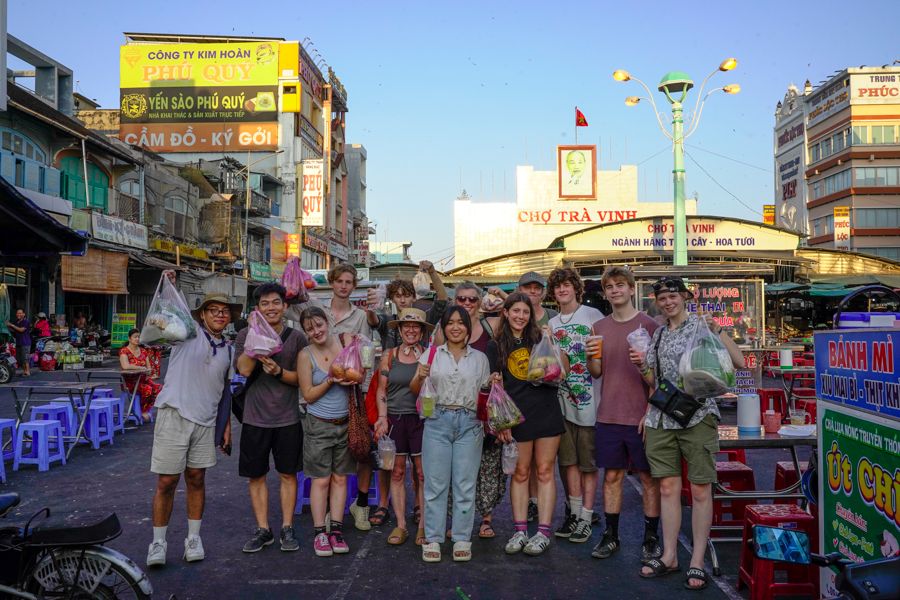
The route is intentionally broad. It starts in Tra Vinh, where students see agriculture, aquaculture, bonsai, local markets, and island life at close range. It then moves through Ho Chi Minh City and Hanoi, where food, history, policy, and international institutions widen the frame. Ha Long Bay adds another layer by bringing in environment, tourism, and questions of place-based economies.
The result is a program that uses food supply chains not as a narrow business topic, but as an entry point into livelihoods, sustainability, infrastructure, cultural practice, and globalization in the Vietnamese context.
Why it works
The strength of the program is that it moves between scales. Students can begin with paddy fields, milling, farming cycles, and local food preparation, then connect those observations to urban distribution, public institutions, and international organizations.
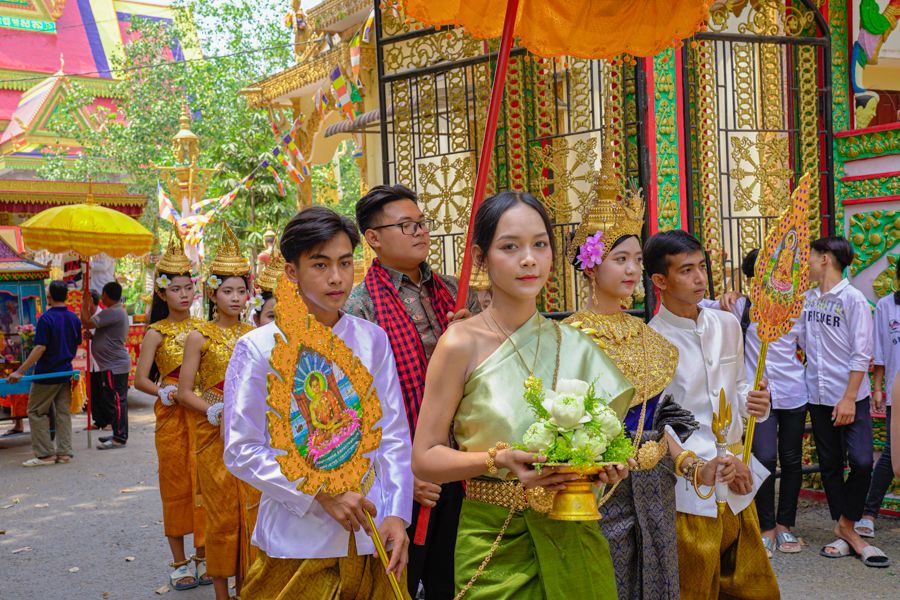
It also avoids presenting food as only technical or economic. The program shows how food systems are tied to religion, celebration, transport, memory, landscape, and everyday life.
That makes the learning more grounded, and helps participants see supply chains as social systems rather than just logistical ones.