About
What this program is built around
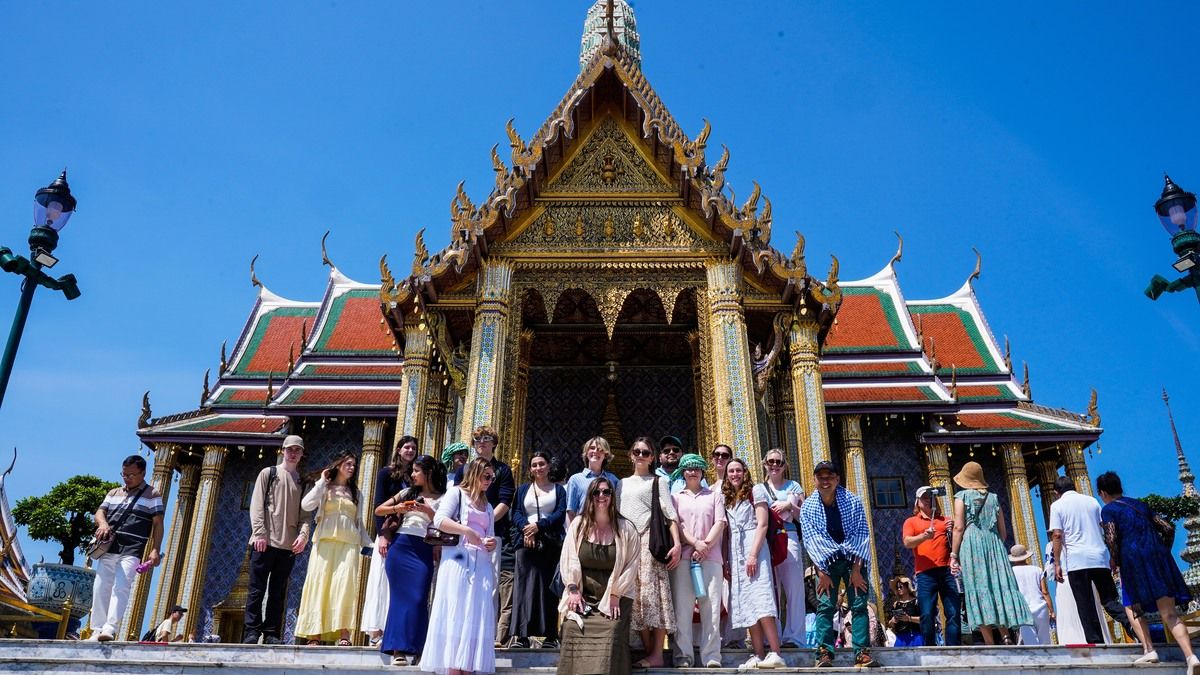
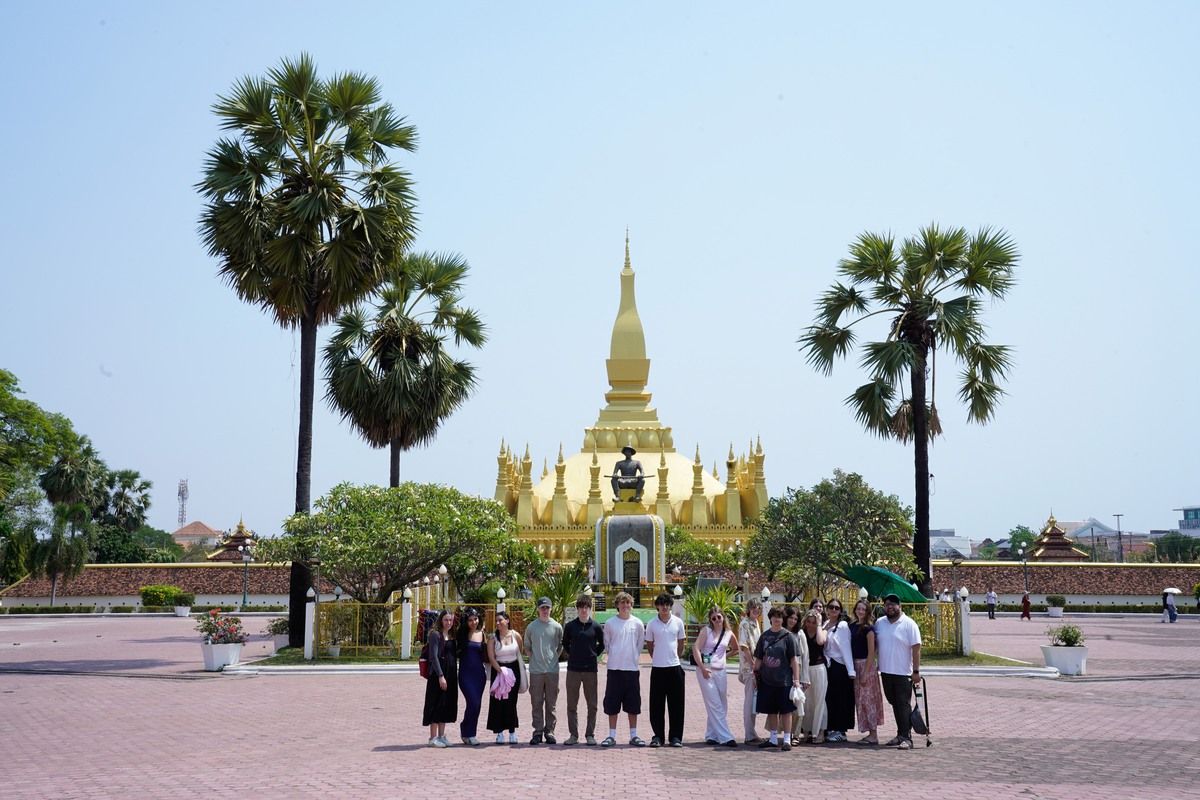
This program is built around inland Southeast Asia as a region shaped by older kingdoms, religious networks, river systems, trade routes, and modern capital formation. Rather than treating Thailand and Laos as isolated destinations, the program places Bangkok, Ayutthaya, Luang Prabang, Vang Vieng, and Vientiane into one comparative frame.
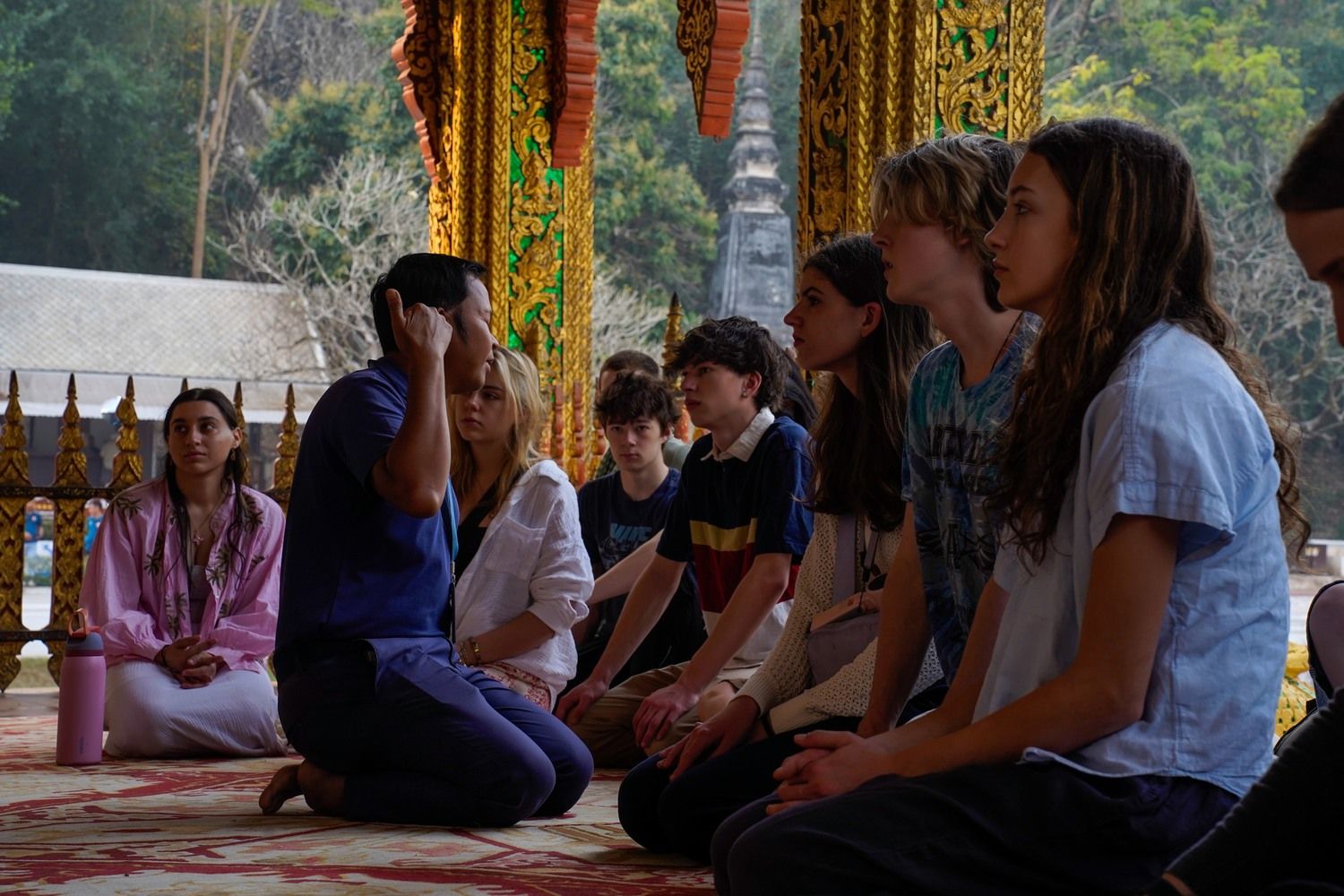
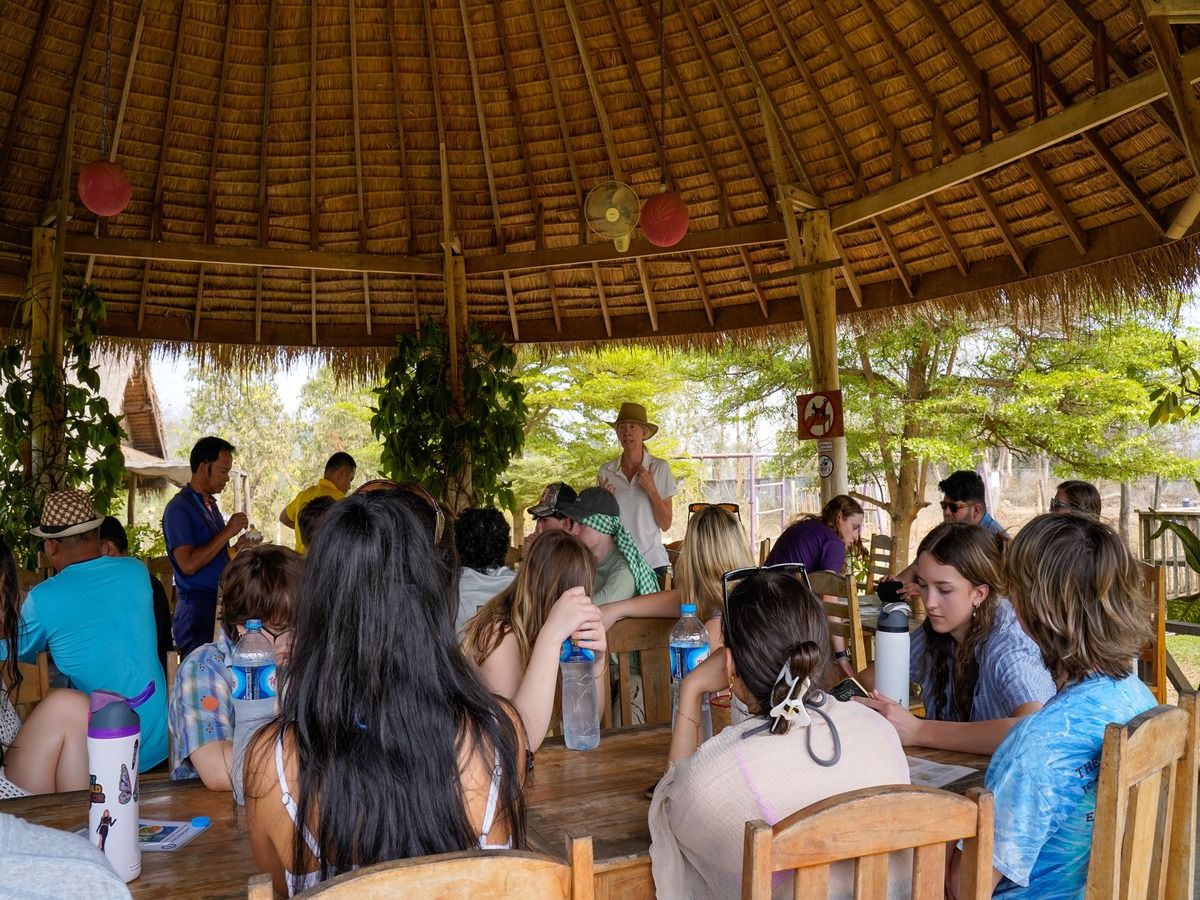
Participants encounter former capitals, royal sites, Buddhist spaces, local handicraft traditions, community projects, ecological sites, and river-based life. That movement across settings helps make regional history visible not as a textbook sequence, but as something still embedded in architecture, ritual, transport, tourism, and daily life.
The result is a program that links empire, religion, environment, and urban development in a way that is comparative, place-based, and accessible to student groups.
Why it works
The route works because it moves between capitals of different scales and historical roles. Bangkok, Ayutthaya, Luang Prabang, and Vientiane are not presented as separate stops, but as different answers to what a capital city is and how power becomes visible.
It also keeps the learning from becoming too abstract. Students encounter temples, palaces, river systems, markets, craft villages, sustainable agriculture, and local ceremonies directly.
That combination makes the regional comparison stronger and gives the trip a clearer academic shape than a standard cultural tour.