About
What this program is built around
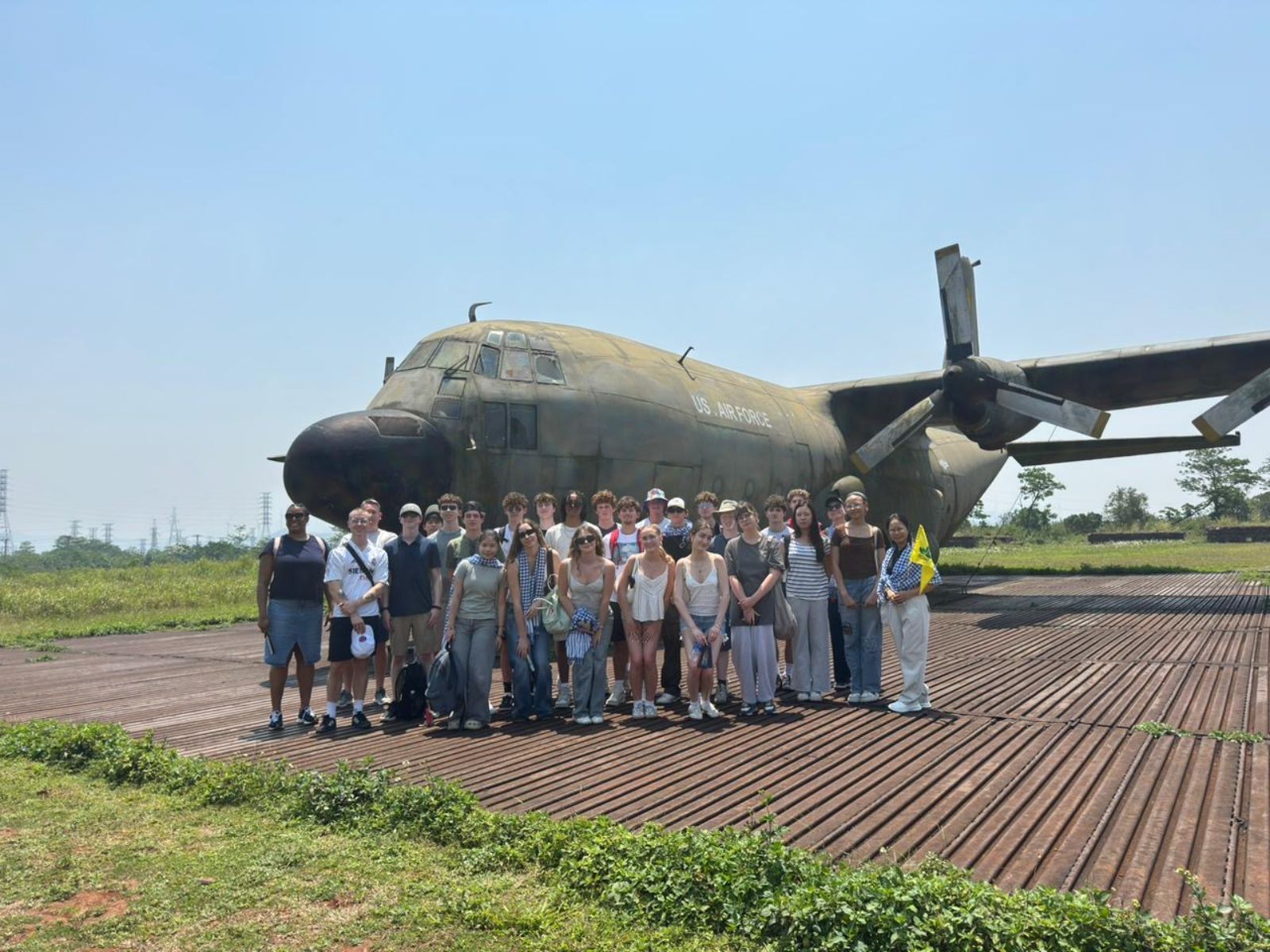
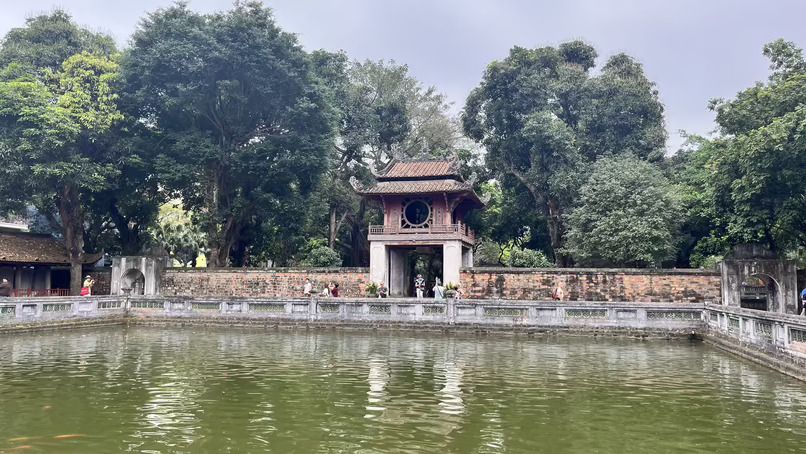
This program is designed around Vietnam’s modern history, political memory, and the relationship between place and interpretation. Rather than treating the country as a sequence of famous sites, it uses Hanoi, Hue, Quang Tri, Hoi An, and Ho Chi Minh City as different entry points into how Vietnam has been shaped by war, colonialism, reform, culture, and daily life.
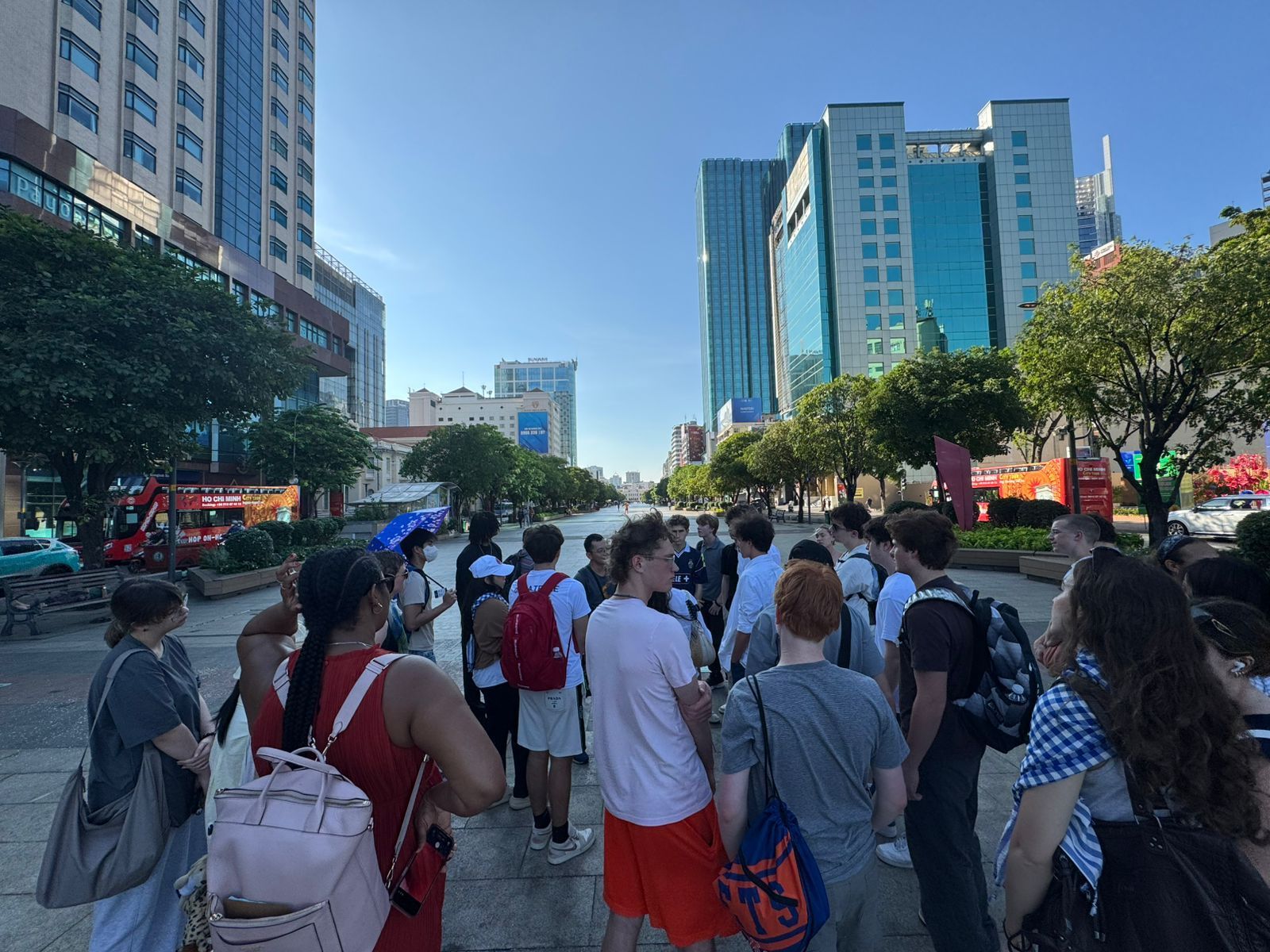
Participants move between historical landmarks, museums, memorials, schools, workshops, and ordinary urban environments. The value of the program comes from that contrast. It allows students to see how official history, lived reality, heritage, and contemporary Vietnam sit alongside each other rather than appearing as separate topics.
The result is a program that is academically relevant, but also grounded in real experience. It gives participants enough structure to understand what they are seeing, without reducing the country to a fixed narrative.
Why it works
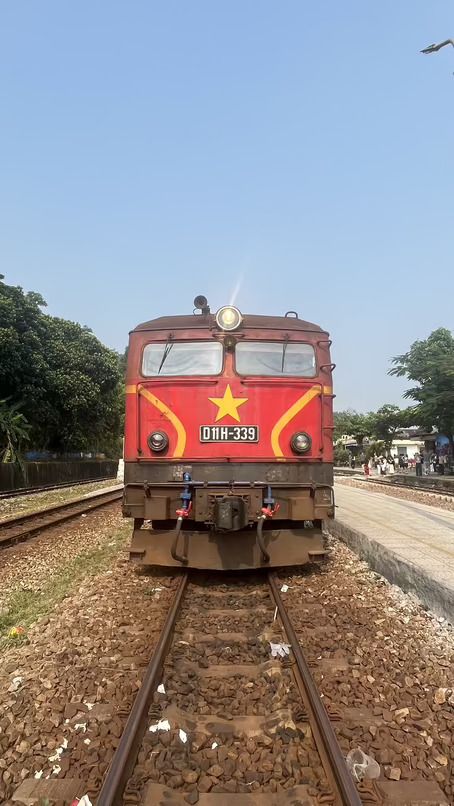
The program works because it does not isolate history from place. Students encounter political memory in museums and war sites, but also in streets, schools, religious spaces, railway journeys, food, and conversations with local context around them.
It also keeps the rhythm varied. Campus time, workshops, old quarters, imperial history, the DMZ, Hoi An, Cu Chi, and Ho Chi Minh City each do different intellectual work within the same overall arc.
That mix helps the trip feel cohesive without becoming repetitive, and educational without becoming over-scripted.