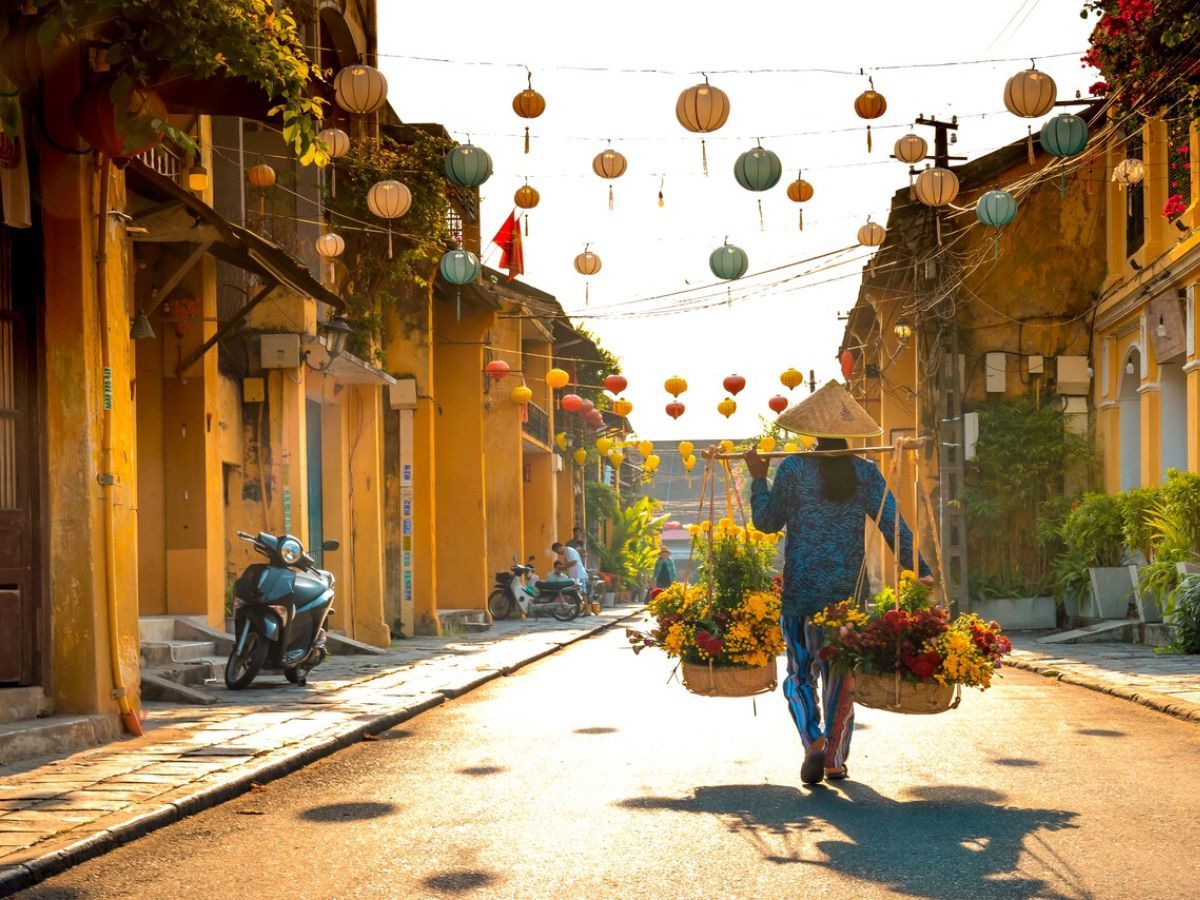
Alumni & group programs
Travel programs for alumni and group communities that want something more considered than a standard itinerary. These journeys are designed to feel thoughtful without becoming overly academic, helping participants notice, compare, and make sense of what they are experiencing while still enjoying the trip as a shared group experience.
What tends to matter for group programs
Practical considerations before shaping a group journey
Group balance
Alumni and community groups rarely travel with a single expectation. The strongest programs give enough depth for people who want substance, while still feeling welcoming and enjoyable for those coming mainly for the shared experience.
Depth without friction
These trips should not feel like lectures on the move, but they also should not feel generic. The value often lies in how the program helps people read what they are seeing, without making the experience feel heavy.
Organizer burden
Internal organizers usually carry more coordination risk than participants realize. The program needs to feel reliable, well-paced, and easy enough to stand behind when group expectations are mixed.
Institutional fit
For schools, alumni offices, and community-based organizations, the trip should feel aligned with the tone and values of the group. That often means avoiding both shallow tourism and overly formal academic framing.
What makes this different
More considered than a standard itinerary
Most group travel programs are built around coverage: how many places you see, how efficiently you move, and how much is included. That works, but it often flattens the experience. Places become stops rather than environments people actually enter.
Our approach starts differently. We still care deeply about logistics and pacing, but we also structure the journey so that participants begin to read what they are seeing — how cities function, how history shows up in place, how food and trade shape daily life, or how regional differences reveal something larger about the country.
The result is a program that still feels smooth and enjoyable, but also more grounded, more memorable, and more worth the distance travelled.
Common program directions
Different ways groups tend to approach Vietnam
Vietnam through food and everyday systems
Markets, street food, production systems, and the routines of daily life as a way into understanding the country.
History and memory in place
Cities, war-related sites, memorials, and built environments that reveal how the past continues to shape the present.
Regional journeys across Vietnam
North–center–south contrasts in foodways, urban rhythm, landscape, and cultural life, giving groups a broader sense of the country.
Community-based encounters
Programs that bring groups into more grounded local environments rather than keeping the experience at the level of curated tourism alone.
Selected programs
Explore individual program pages

14 days
Understanding Vietnam through regional differences in daily life, landscapes, foodways, and local environments.
A strong fit for groups that want a broad but thoughtful introduction to Vietnam without turning the trip into a formal course.
12 days
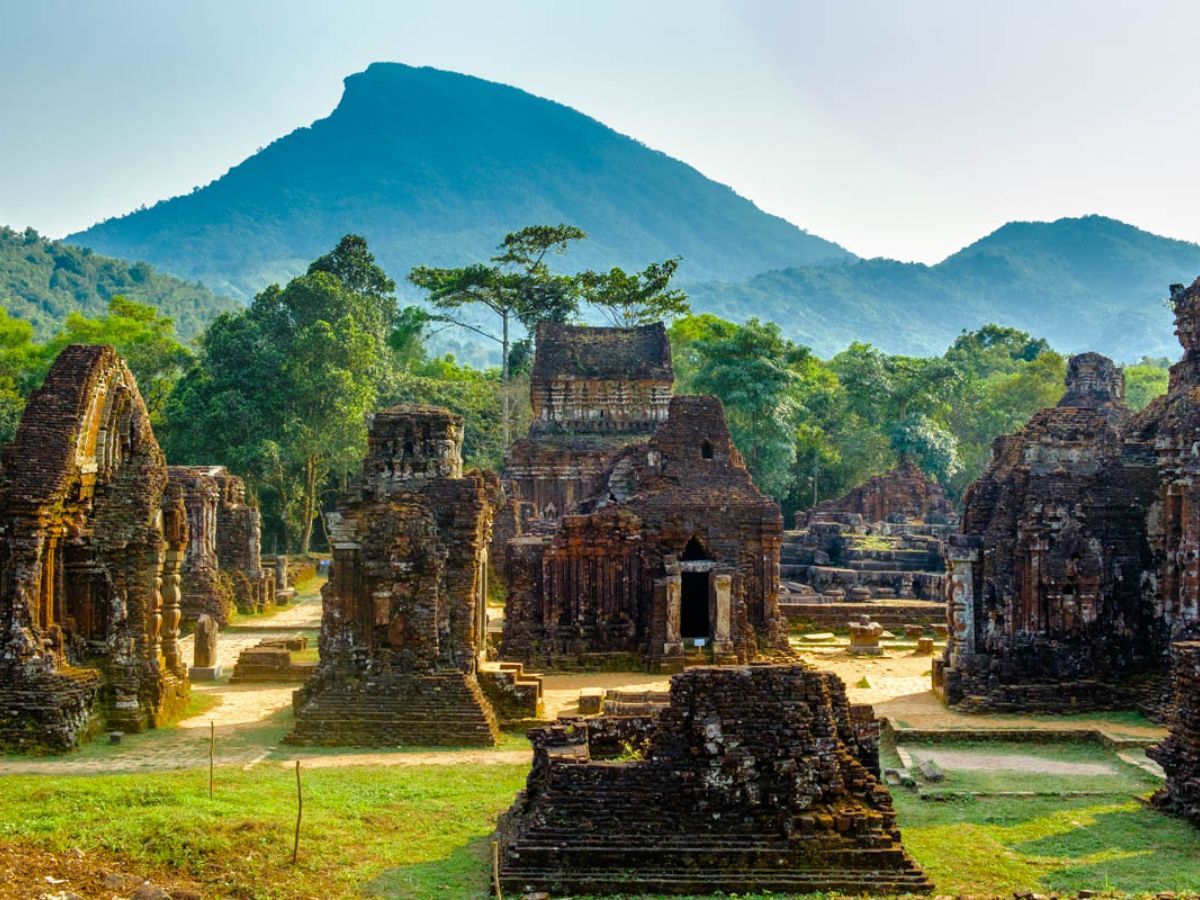
A historically grounded journey through Vietnam, following traces of ancient capitals, imperial cities, trading ports, archaeological sites, and the layered presence of history in contemporary life.

10 days
Exploring modern Vietnam through war, political memory, historical sites, and the afterlife of conflict.
Best for groups who want historical seriousness and context, not just a general tour of the country.

13 days
Comparing capitals, landscapes, religion, and historical memory across Thailand and Laos.
A strong fit for groups that want a broader regional journey with more comparison and context than a standard multi-country tour.

14 days
Exploring Buddhism in Vietnam through history, place, ritual, and the difference between representation and lived practice.
Works well for groups interested in religion, philosophy, cultural depth, or quieter forms of meaning-making during travel.

14 days
Tracing Catholicism in Vietnam through pilgrimage sites, regional variation, historical context, and community life.
Suitable for groups that want a faith-centered journey with more context and depth than a standard pilgrimage route.
How we support group organizers
Built to reduce friction for the people organizing the trip
Before the trip
We help shape the journey around your group profile, timing, and expectations so the program feels coherent before anyone boards a plane.
During the trip
We handle the on-the-ground coordination so organizers can focus on the group itself rather than carrying every operational detail.
In practice
The structure holds the group together, while still leaving enough space for real places, conversation, and shared moments to matter.
Next step
Planning a group trip to Vietnam?
Most group programs begin with a loose idea rather than a fixed plan. The sections above can help you see possible directions — you can explore specific program pages first, then continue below when you are ready to shape something more concrete.