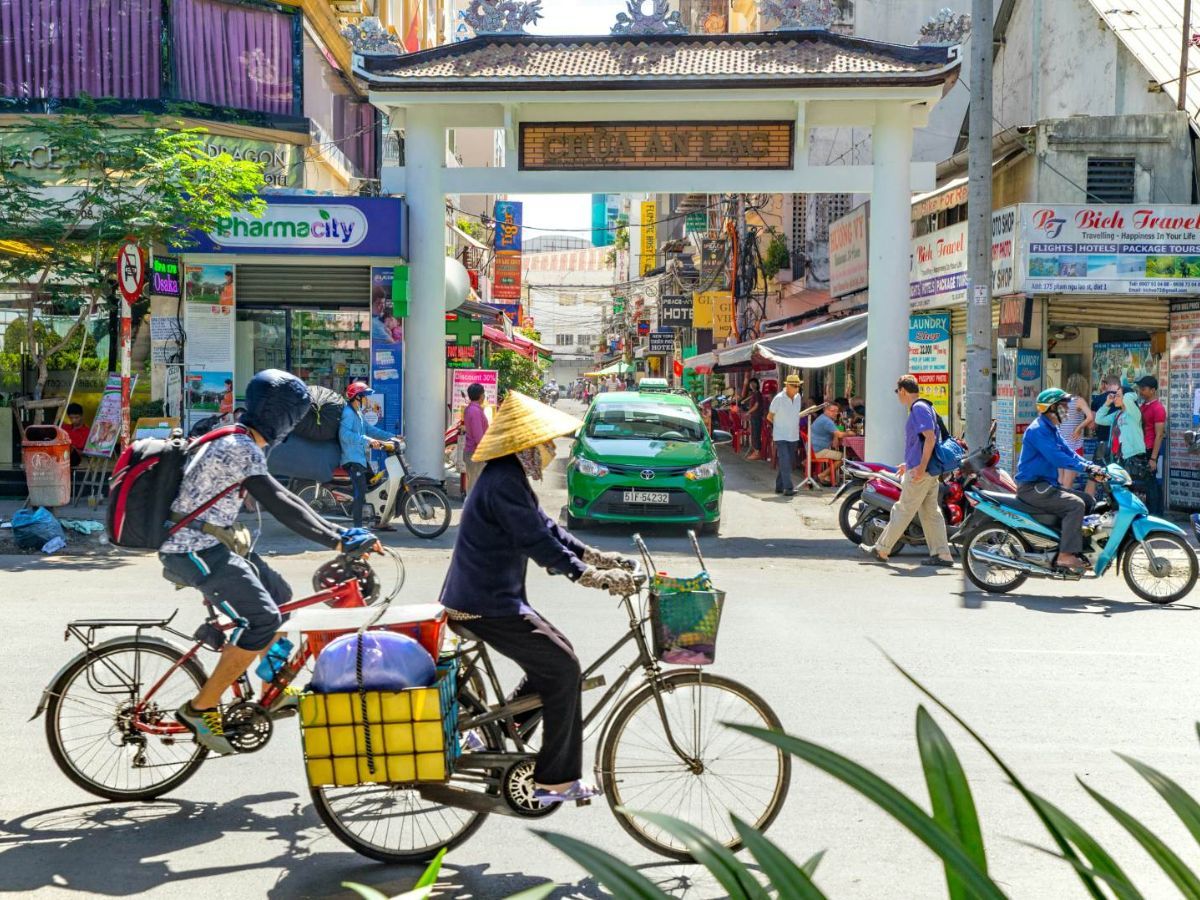
Field-based programs are typically framed around a course, a line of inquiry, and the realities of place. Rather than starting from a fixed itinerary, the focus is on the kinds of environments students are working within — and the institutions, communities, and individuals they are able to engage with.
The itineraries shown here function as reference structures rather than fixed programs. In practice, the final form of each program is shaped by the faculty lead — including course design, student cohort, and the role the field is intended to play within the course.
Common entry points
Different ways faculty tend to frame work in this region
These often reflect different disciplinary lenses and types of field engagement, depending on the course.
Urban systems and development
Cities as field sites for movement, infrastructure, public space, informal economies, planning, and social change.
Food, trade, and supply chains
Agriculture, logistics, export systems, markets, and the movement between rural production and urban economic life.
History, politics, and memory
War, state formation, competing narratives, and the ways the past continues to shape the present.
Development, migration, and social change
Rural–urban transitions, labor movement, inequality, and the ways economic change reshapes communities and everyday life.
Regional life and cultural landscapes
Regional comparison through foodways, architecture, local routines, river systems, and everyday life.
Religion, philosophy, and lived practice
Buddhism, Catholicism, ritual life, sacred spaces, and the relationship between belief, history, and social practice.
Community-based engagement
Sustained participation in local settings where responsibility, continuity, and field ethics tend to take precedence over short-term visibility, often involving schools, NGOs, or community partners.
Selected programs
Explore individual program pages
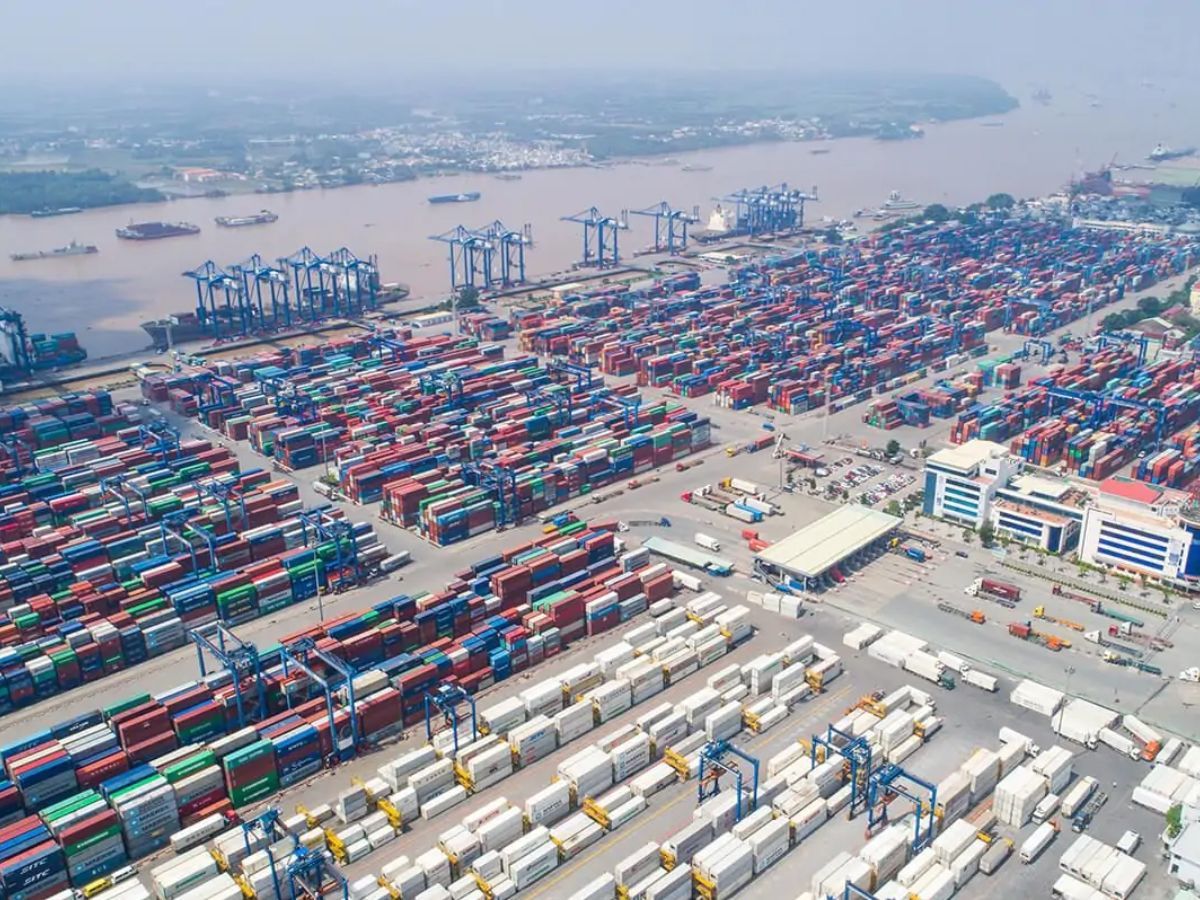
11 days Vietnam
A field-based look at how supply chains take shape across factories, ports, markets, and rural production systems.
Typically taken up by faculty working in supply chains, development, business, geography, or related interdisciplinary fields.
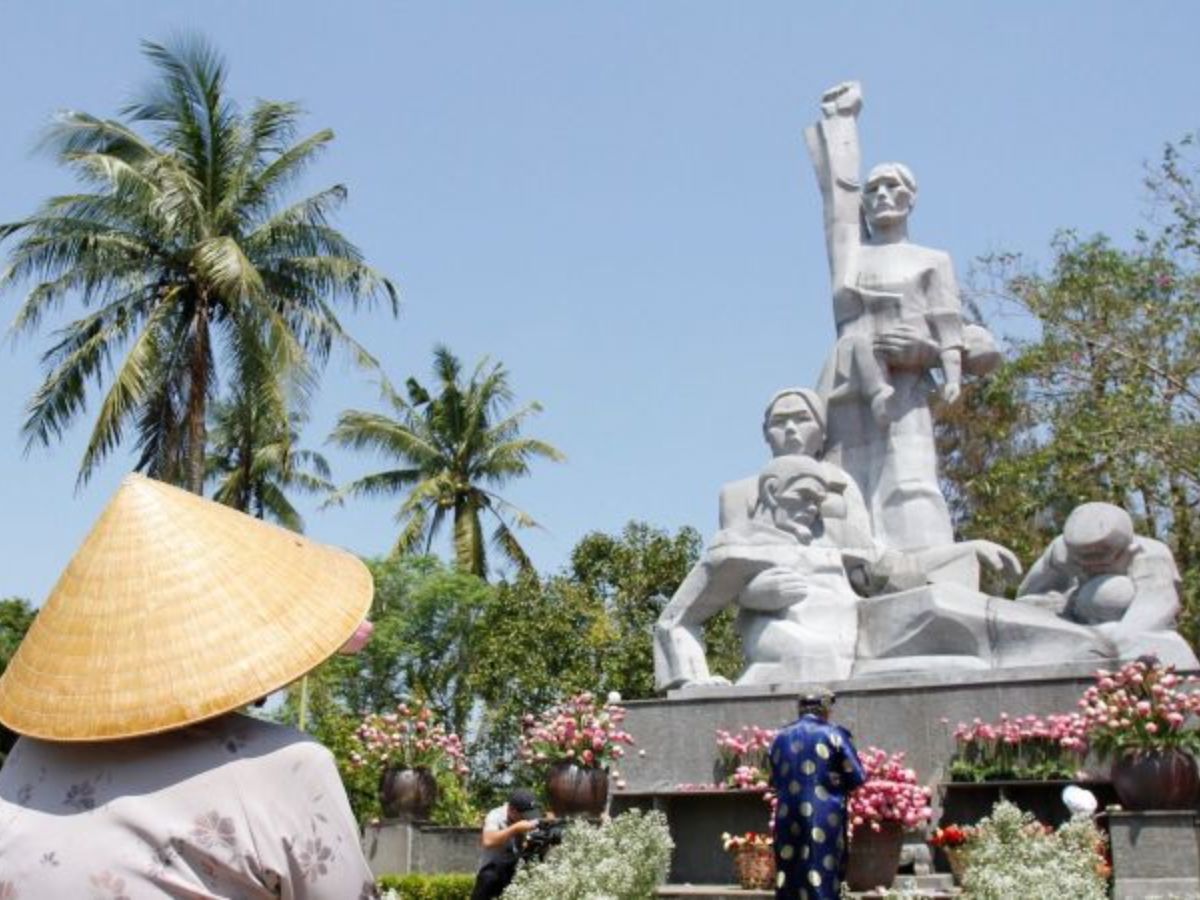
10 days Vietnam
Vietnam approached through war, political memory and historical interpretation, with attention to how different sites frame the same event in different ways.
Often used by faculty working in history, political science, international relations, memory studies, or interdisciplinary area studies.
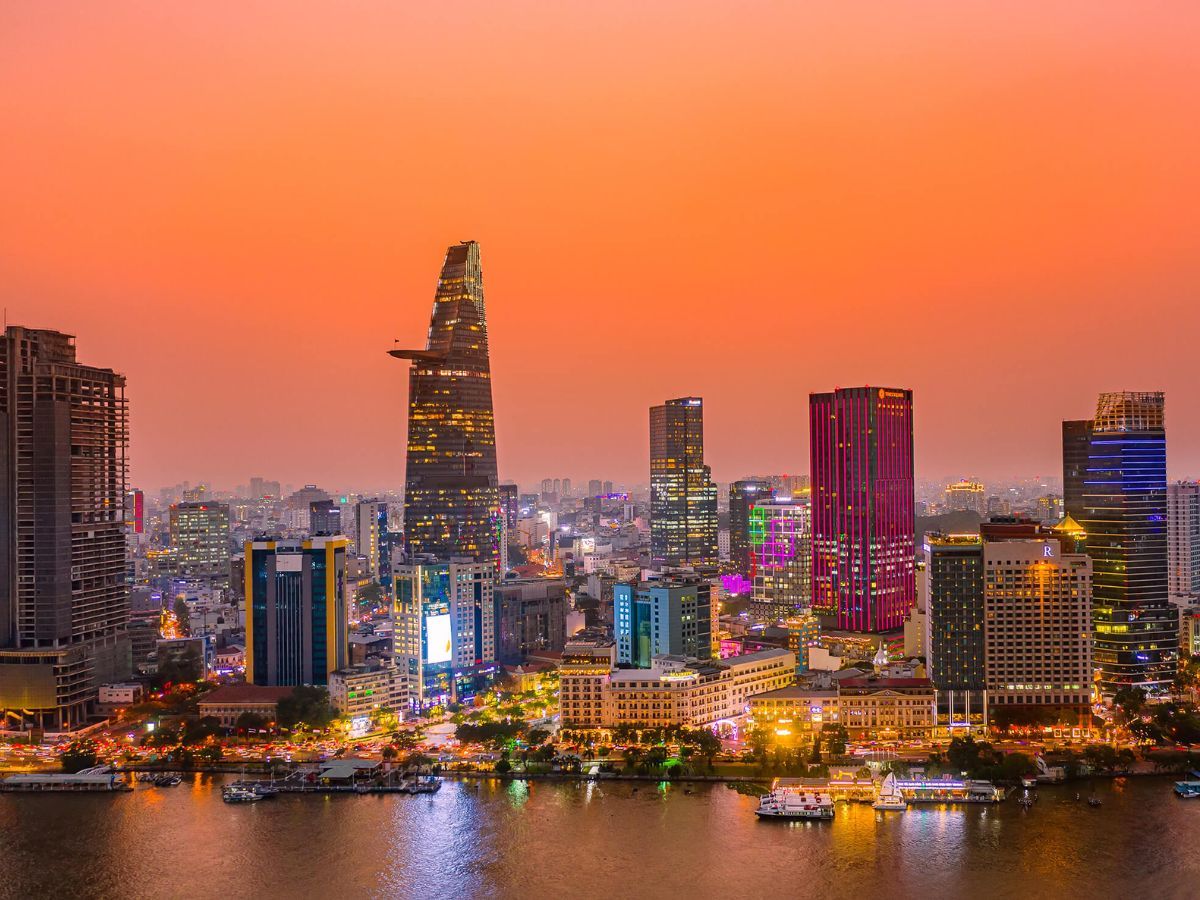
14 days Vietnam
Understanding Vietnam through regional differences in daily life, landscapes, foodways, and built environments.
Useful for faculty exploring culture, anthropology, area studies, geography, or broad comparative introductions to Vietnam.
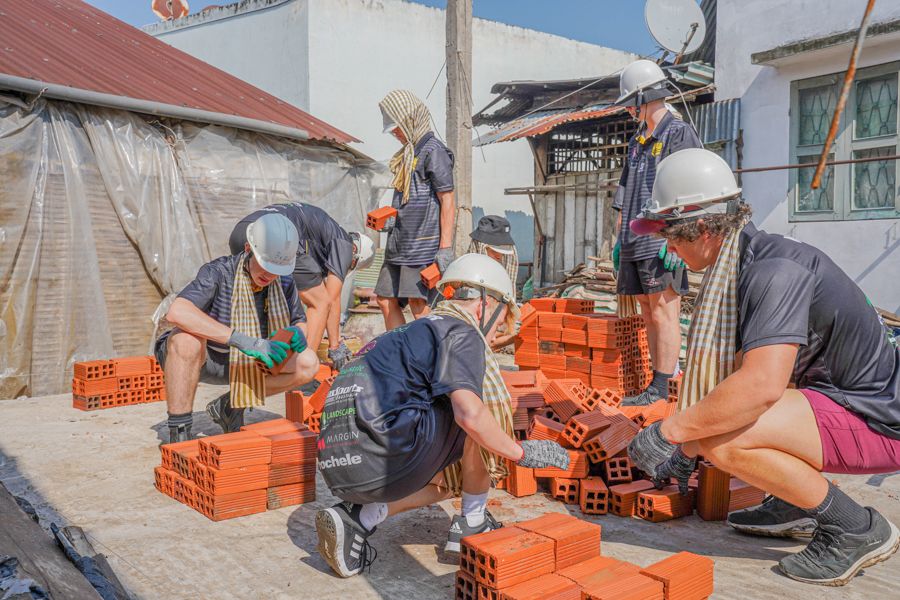
14 days Vietnam
A sustained, community-based program built around participation, responsibility, and local context.
Useful for faculty whose course priorities include field ethics, community engagement, experiential learning, or responsibility in practice.
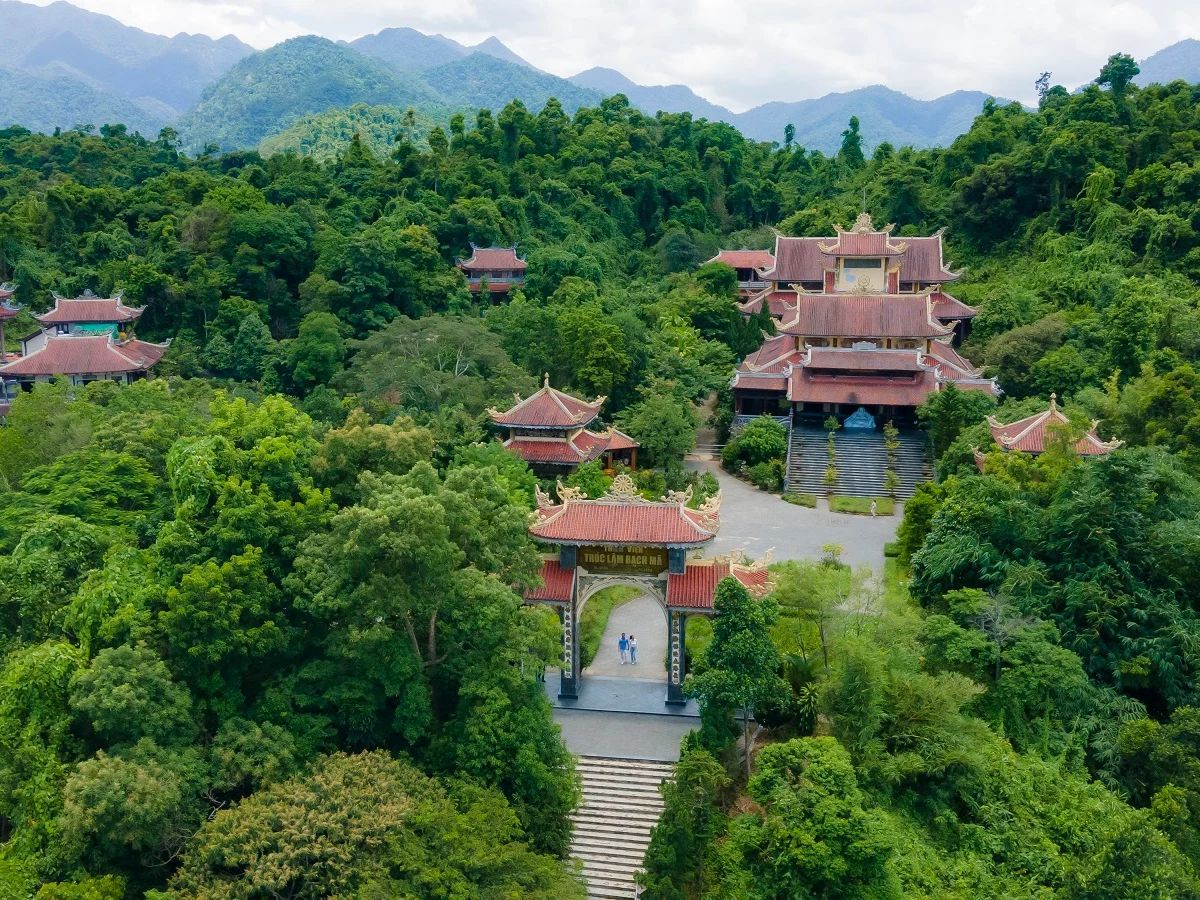
14 days Vietnam
Exploring Buddhism as lived history through state formation, village life, war, urban change, and contemporary practice.
Useful for faculty working in religion, philosophy, anthropology, history, or culturally grounded comparative inquiry.
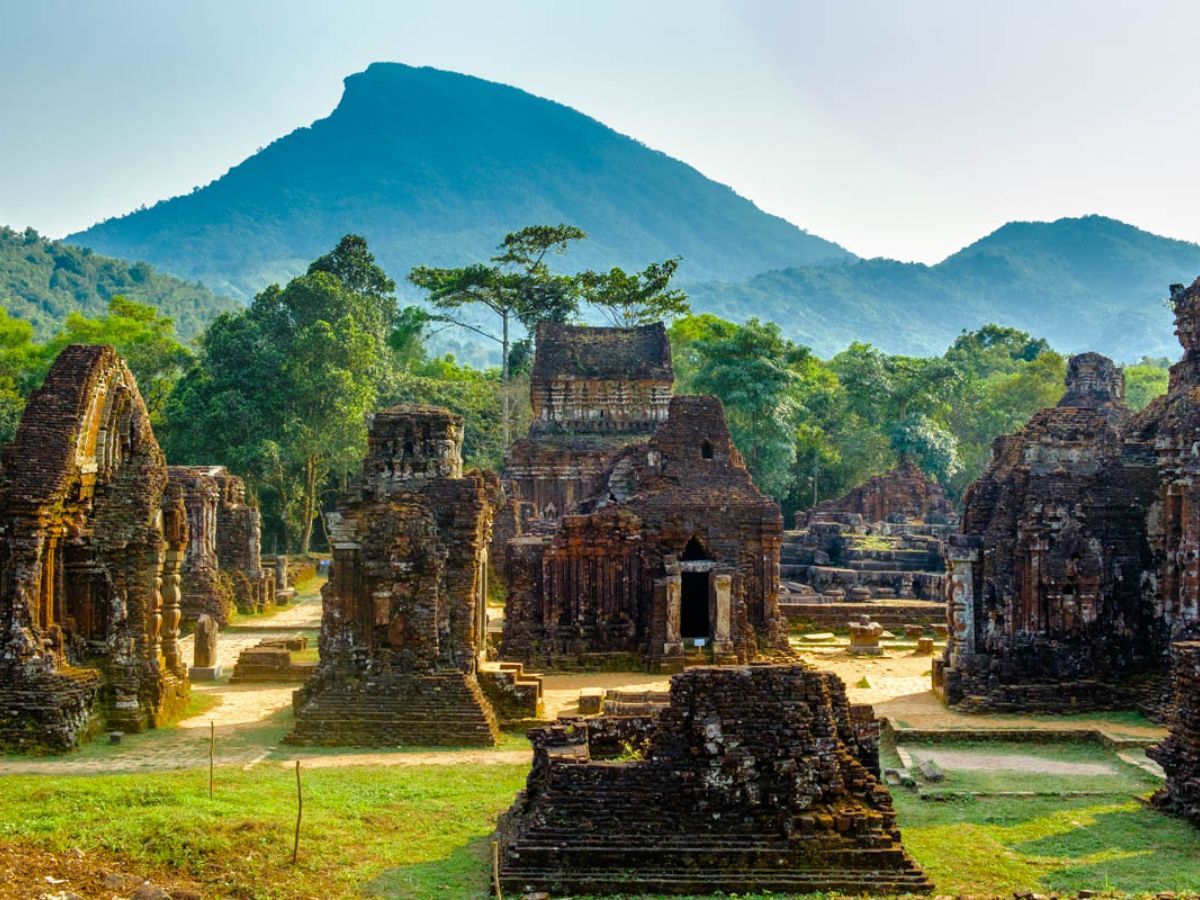
14 days Vietnam
This program is typically used within courses focused on history, archaeology, area studies, or political development. The sequence of sites provides a structured way to move across periods and regions, while allowing faculty to frame how students work with historical evidence, interpretation, and competing narratives in the field.
What often shapes program decisions
Practical questions that tend to come up
Academic fit
Programs are usually considered in terms of how they support a course, module, or line of inquiry, rather than simply providing exposure. What matters is whether the field setting is usable for the kinds of questions faculty want students to work through.
Field access
A key consideration is what kinds of sites, institutions, and local contexts students can actually enter, and whether those encounters hold up as meaningful points of engagement in the field.
Faculty role
In most cases, intellectual leadership remains with the faculty lead. The route and local structure are there to support the course, not to replace its academic framing.
Operational support
Operational support becomes relevant in terms of how much logistical burden sits with the faculty lead. Pacing, transport, accommodation, and local coordination need to be handled in a way that allows faculty to stay focused on teaching.
How we work with faculty
Built to support the academic use of the field
Before the program
We shape the field structure around your course, line of inquiry, and student cohort, so that sites, institutions, and local contexts are available and usable from a teaching perspective, rather than sitting alongside the course.
In the field
We manage on-the-ground coordination and facilitate access to sites, so faculty can focus on how students engage with what they are seeing — framing, interpretation, and discussion as it unfolds.
In practice
Programs remain structured enough to run well, while leaving space for field observations, institutional encounters, and discussion to carry much of the intellectual work.
Next step
Planning a faculty-led course component in Vietnam or Southeast Asia?
Most faculty start with a course or line of inquiry, not an itinerary. We help shape that into a field-based component that works in practice - aligning with your course design, student cohort, and the realities of working in place. You can use the program links above to explore different directions, then continue below when it becomes useful to discuss.