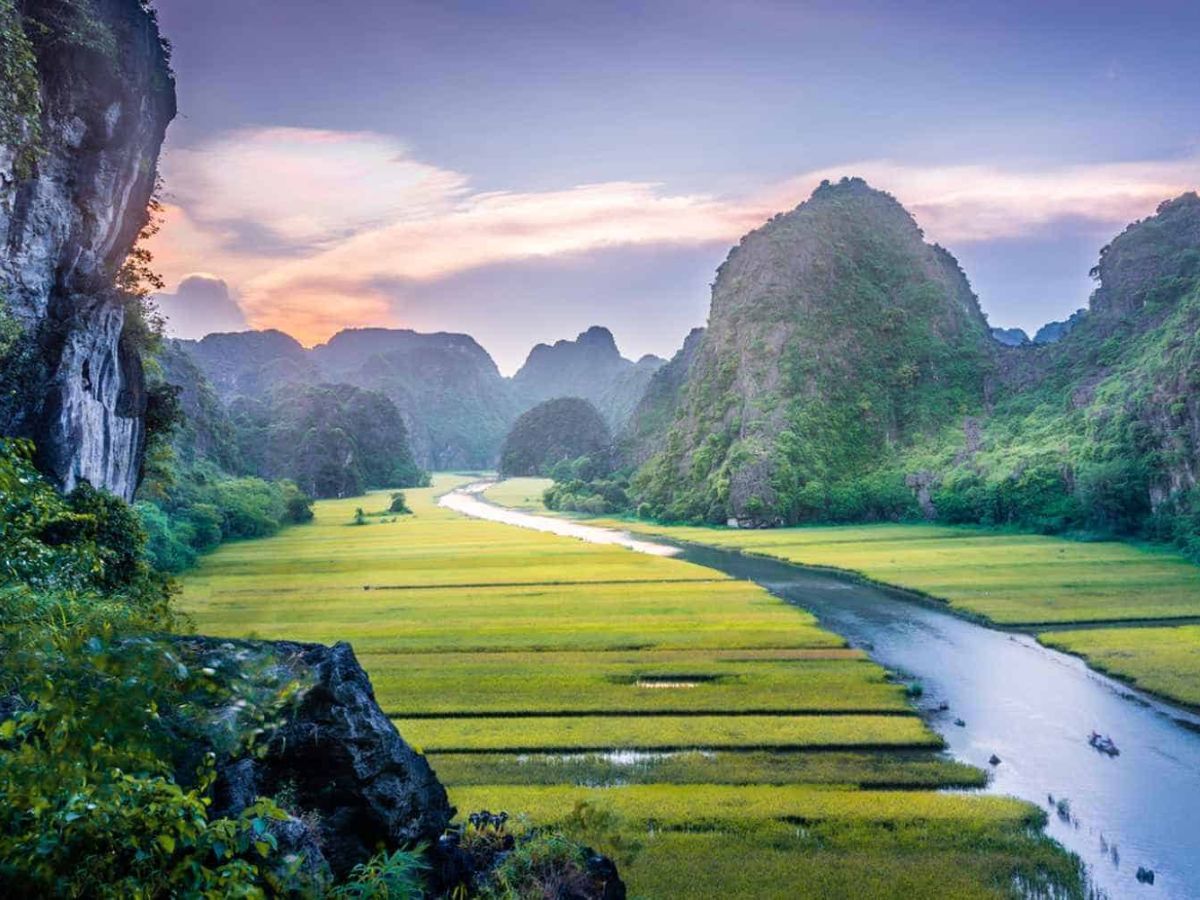
Programs designed for schools planning travel programs to Vietnam and, where relevant, across Southeast Asia. Each program is built around a clear learning environment — regional life, history and memory, community-based work, or urban and economic systems — and can be adapted to how teachers prefer to lead.
Program types
Different ways schools tend to structure programs in this region
Regional and cultural landscapes
Programs that help students understand place through differences in regional life, foodways, history, and local environments.
History and memory
Programs focused on war, political history, competing narratives, and the ways the past continues to shape the present.
Community-based engagement
Programs where students participate directly in local contexts over multiple days, with stronger emphasis on responsibility, continuity, and contribution.
Economic and urban systems
Programs that use cities, trade networks, manufacturing, or food systems to help students understand rapidly changing societies in the region.
Selected programs
Explore individual program pages
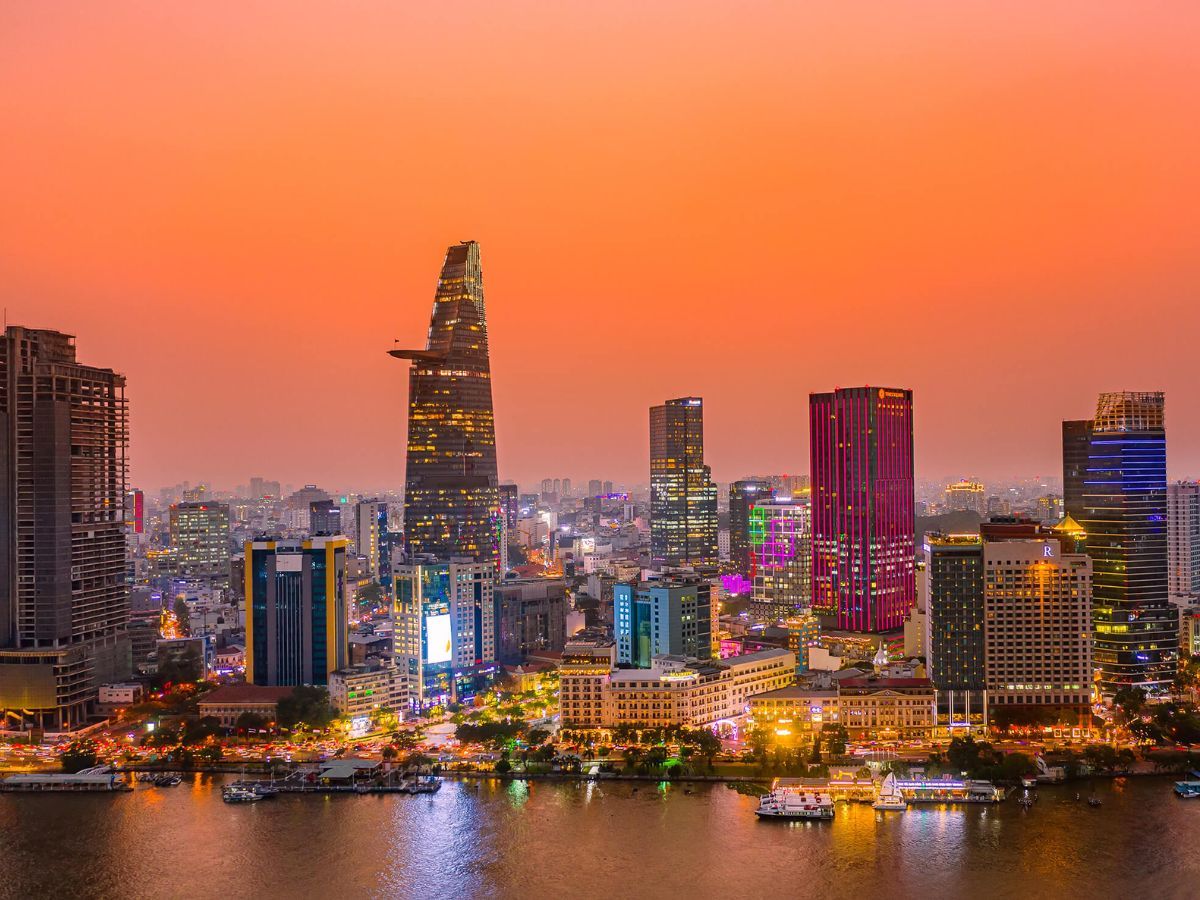
14 days Vietnam
Understanding Vietnam through regional differences in daily life, landscapes, food ways, and local environments.
A broad introduction to Vietnam that moves from north to south, helping students read variation within the country rather than treating it as culturally uniform.
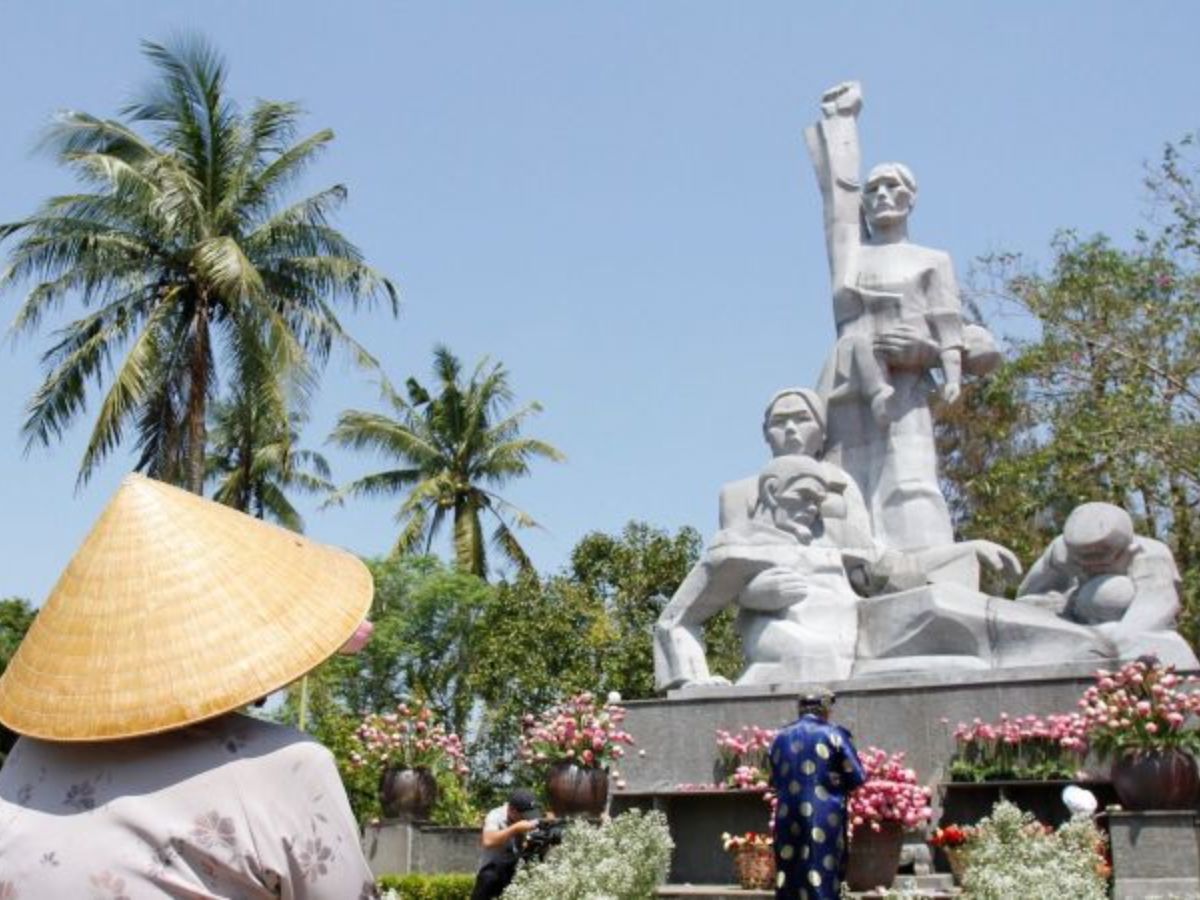
10 days Vietnam
Examining modern Vietnam through war, political memory, historical sites, and competing narratives.
A program for schools that want students to encounter history in place rather than only through classroom framing.
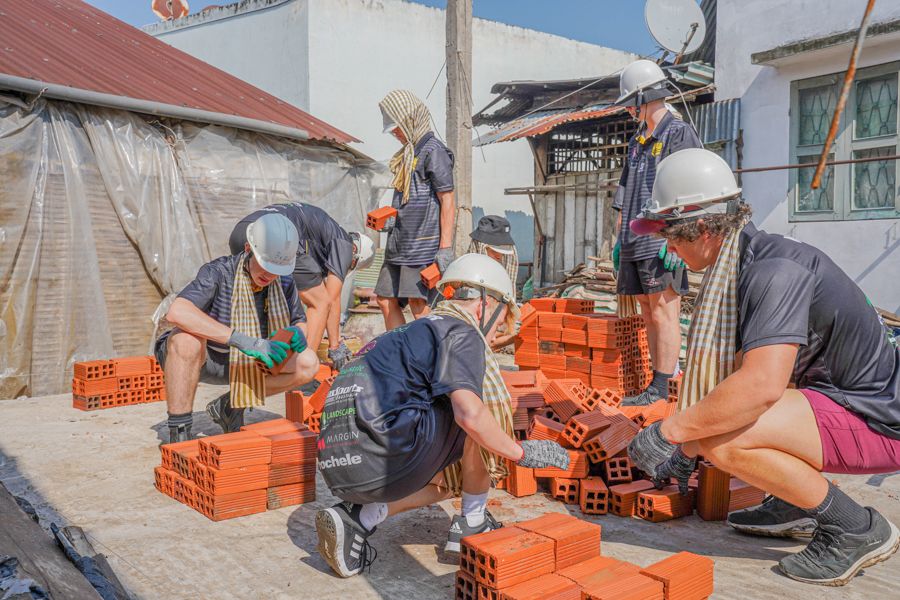
14 days Vietnam
A sustained, community-based program built around participation, responsibility, and local context.
Better suited to schools that want continuity and depth rather than a short service-style activity.
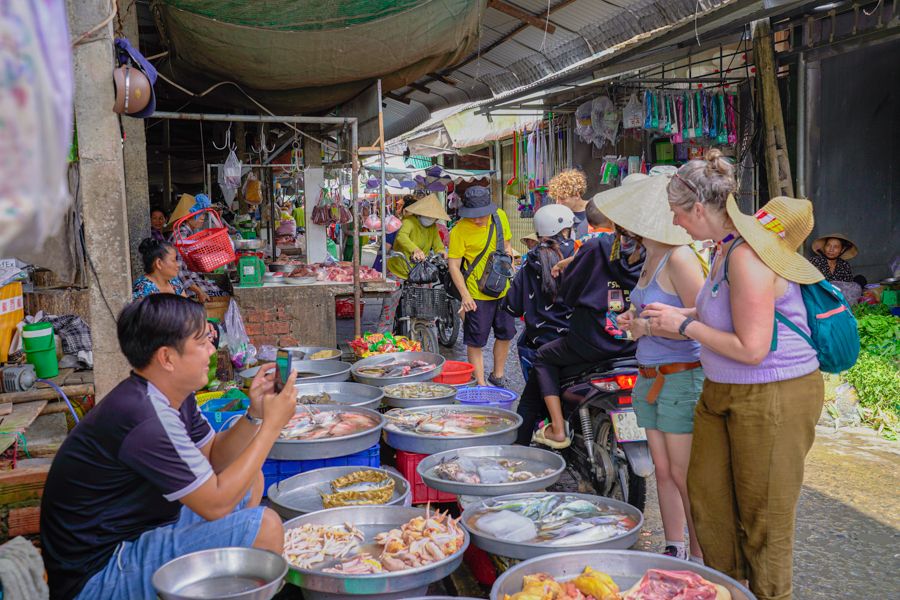
17 days Vietnam
Reading Vietnam through agriculture, trade, food systems, and the movement between rural production and urban life.
A stronger fit for schools interested in economics, geography, sustainability, or interdisciplinary social studies.
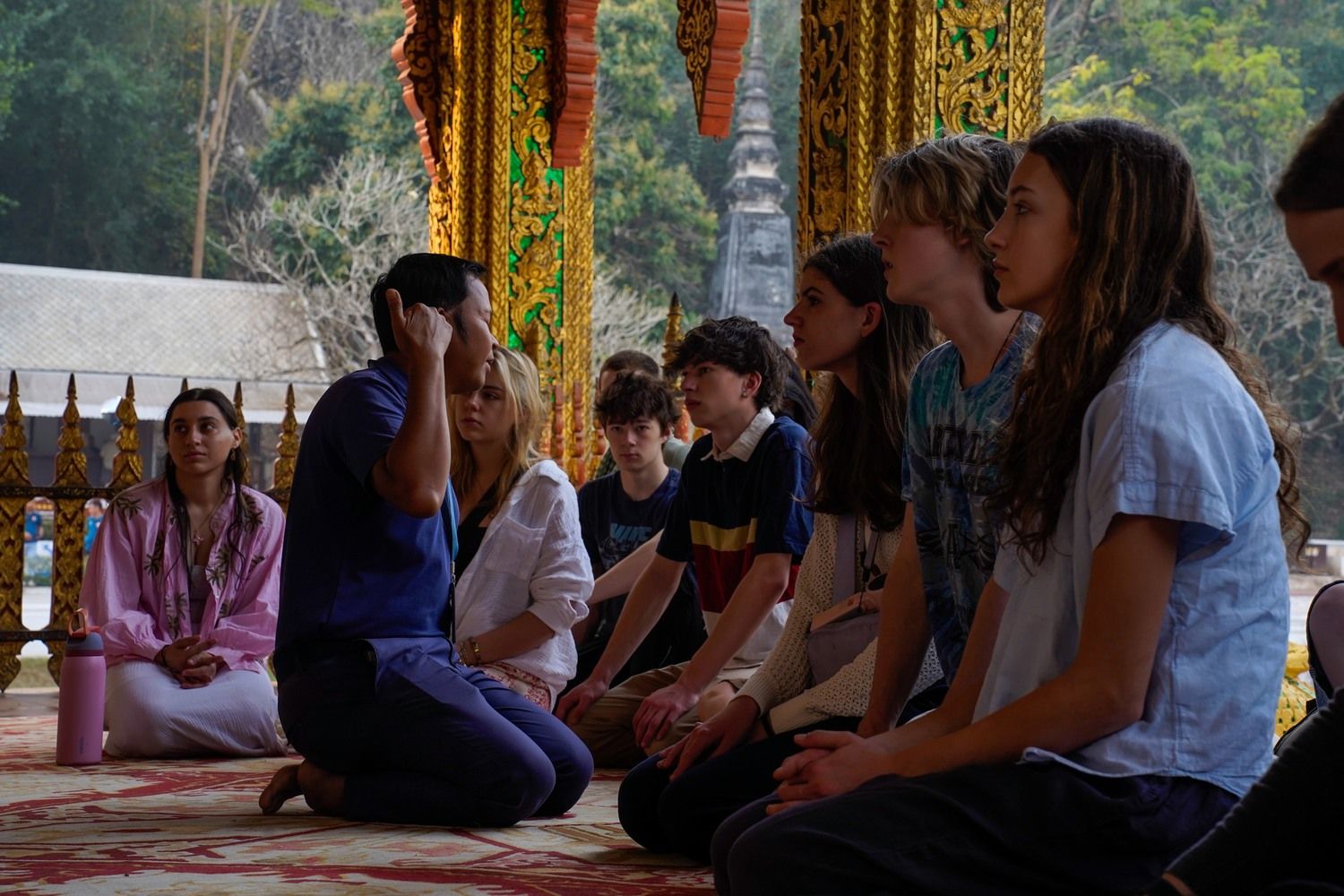
13 days Thailand + Laos
Comparing capitals, religion, landscapes, and historical memory across Thailand and Laos.
A regional program for schools that want students to think comparatively beyond one country.
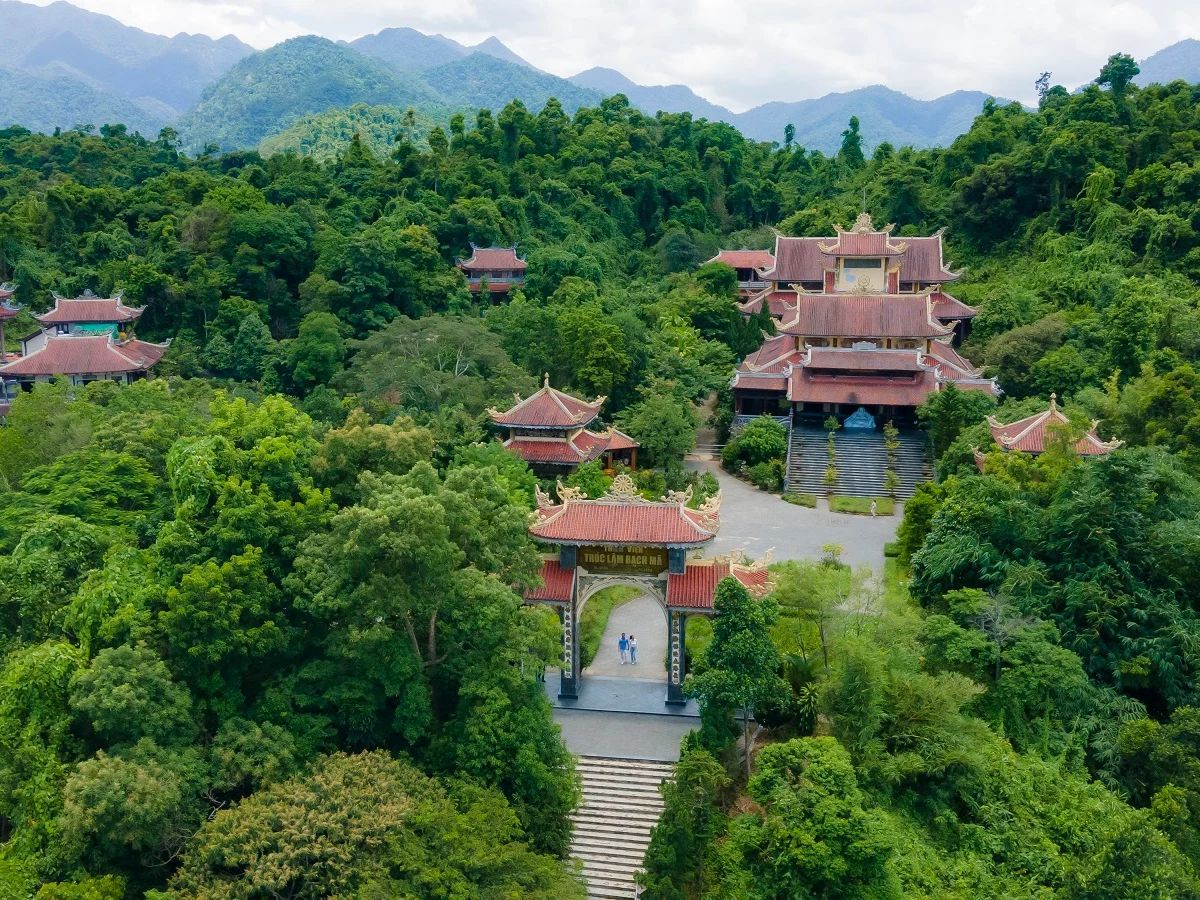
14 days Vietnam
Exploring Buddhism as lived history through state formation, village life, urban change, and contemporary practice.
A stronger fit for schools interested in religion, philosophy, history, or culturally grounded comparative learning.
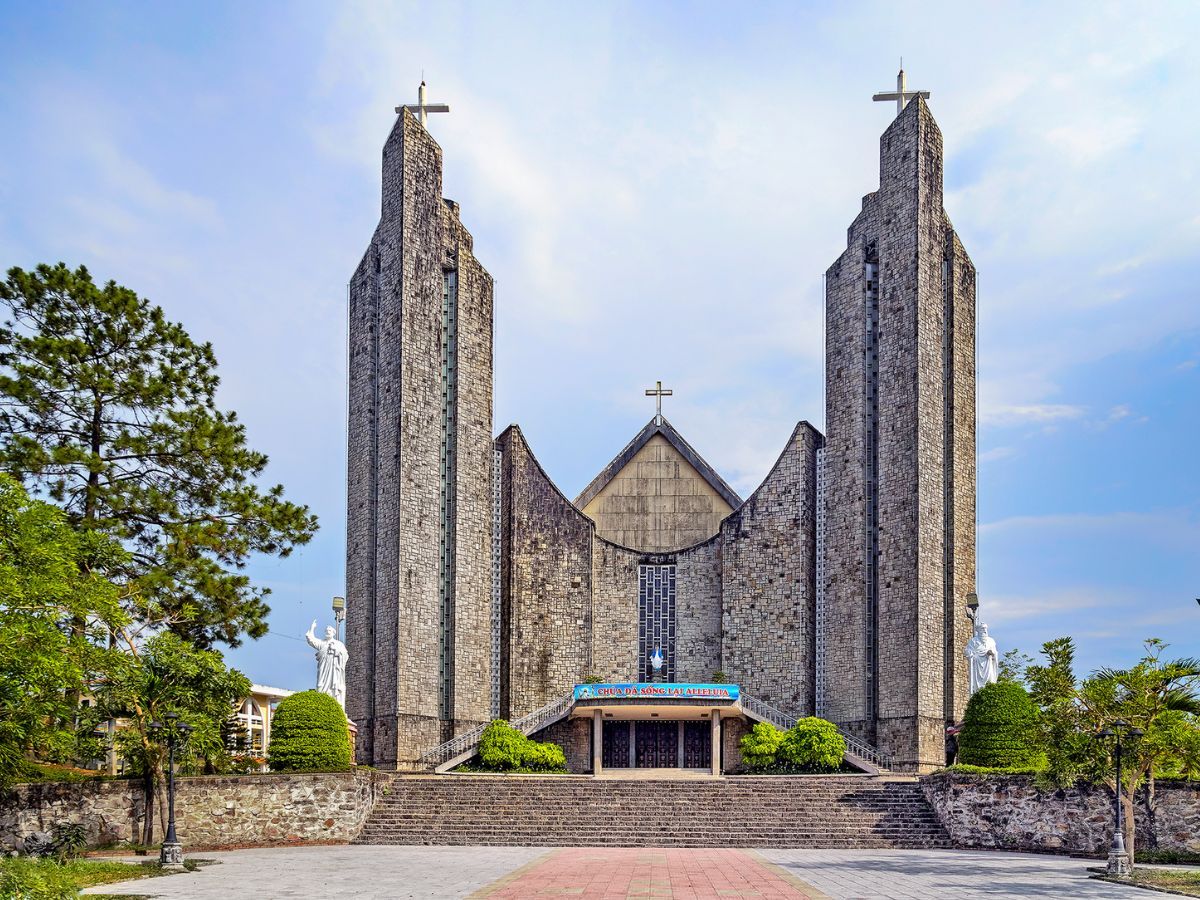
14 days Vietnam
Tracing Catholicism in Vietnam through pilgrimage sites, regional difference, historical context, and community life.
A strong fit for schools interested in religion, lived belief, colonial history, or faith in social context.
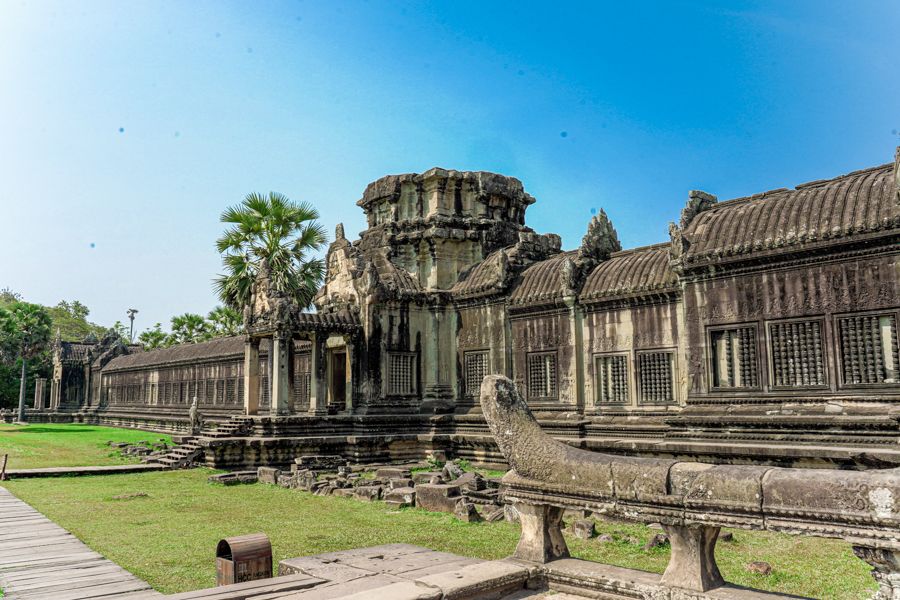
14 days Vietnam + Cambodia
Using Vietnam and Cambodia to explore state formation, memory, trade, and regional comparison across mainland Southeast Asia.
A stronger fit for schools that want a comparative regional lens rather than a single-country introduction.
What often shapes program decisions
Practical considerations once schools begin comparing options
Academic fit
Programs can support different teaching approaches. Some are better suited to history, global studies, culture, or service-based learning, while others work as broader interdisciplinary trips.
Student profile
Different routes suit different groups. Some work best for first-time travel and broad exposure, while others ask more from students in terms of independence, attention, or sustained engagement.
Program intensity
Not every school wants the same level of depth. Some programs are lighter and more introductory; others are built around continuity, responsibility, or a more demanding learning environment.
Logistics and supervision
Group pace, transport rhythm, accommodation, and on-the-ground coordination all matter. Programs can be shaped around the level of structure and teacher oversight your school is comfortable with.
How we work with schools
Built to support teachers
Before the trip
We help shape the route, pacing, and program structure around your group, student profile, and intended learning direction.
During the trip
We handle the on-the-ground coordination so teachers can focus on leading students rather than carrying the whole trip operationally.
In practice
Programs stay structured and well-run, but with enough flexibility for real places, conversations, and moments of learning to matter.
Next step
Planning a school travel program to Vietnam or Southeast Asia?
Most schools start with a rough idea — location, subject, or simply a part of the region they want students to enter. We help shape that into a program that fits your students, timeline, and teaching approach. You can use the program links above to explore specific directions, then continue below when you’re ready.