Archaeology and Early State Formation in Vietnam
A field-based program using Vietnam as a longitudinal case for early state formation, imperial systems, trade networks, and the layered afterlife of history in contemporary urban and regional contexts.
This program is typically used within courses focused on history, archaeology, area studies, or political development. The sequence of sites provides a structured way to move across periods and regions, while allowing faculty to frame how students work with historical evidence, interpretation, and competing narratives in the field.
What this program enables
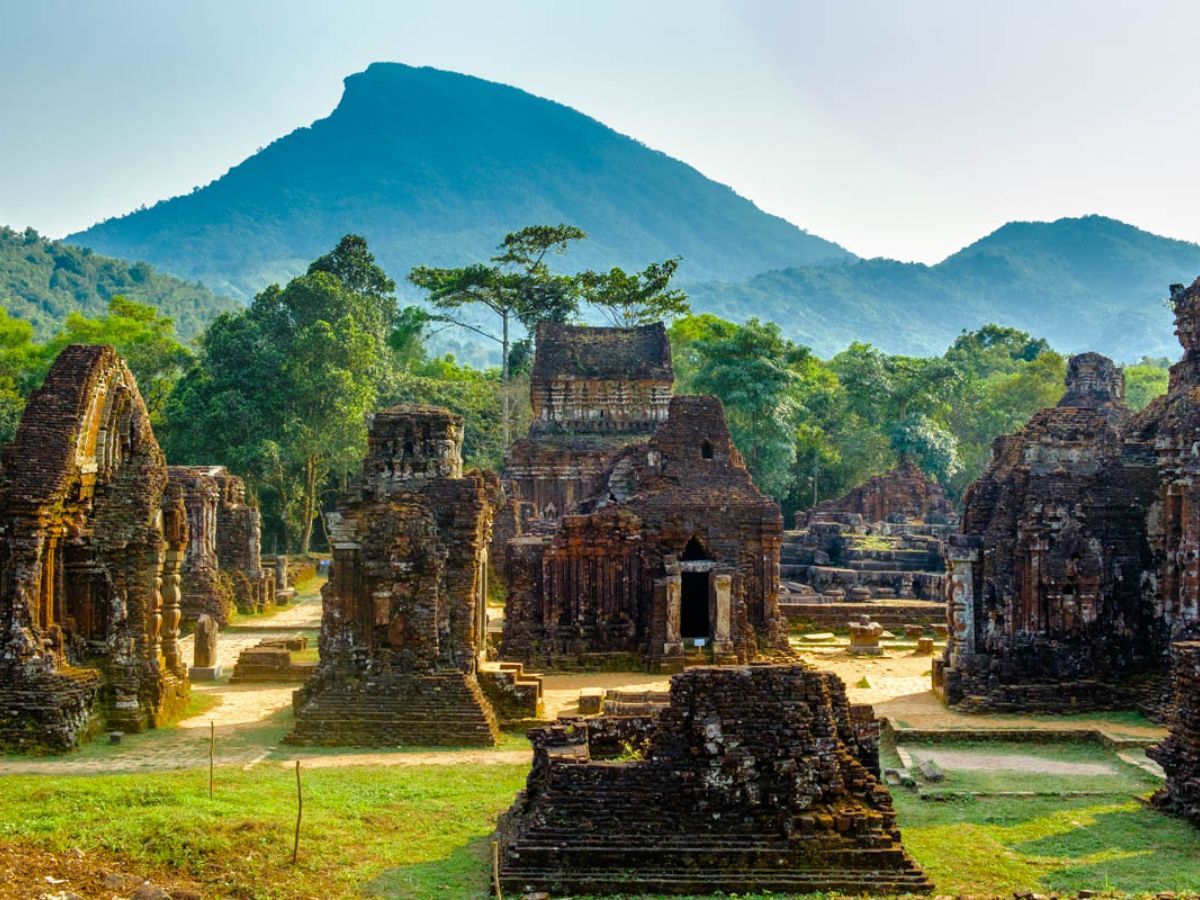
The program creates conditions for students to work with history as something encountered in place — through sites, artifacts, institutions, and ongoing interpretations — rather than as a fixed narrative. Across the route, faculty can frame how students read physical remains, understand historical transitions, and engage with how past systems continue to shape present-day social and political life.
The sequence below reflects one way of structuring the program across key historical sites. In practice, the final form depends on course priorities and faculty framing.
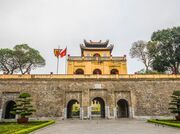
Co Loa Citadel and Thang Long Imperial Citadel as entry points into early political organization and long-term capital formation.
Coastal landscapes and cave systems as context for early human settlement and adaptation.
The Nguyen dynasty capital as a case of centralized governance, architecture, and political symbolism.
A historic port town illustrating regional and global trade connections across centuries.
Urban form and institutions reflecting colonial legacies and contemporary transformations.
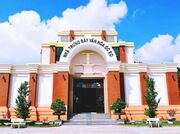
Archaeological remains of the Funan period, linking Southeast Asia to early global trade networks.
Field access and engagement
Depending on the program design, this may include work with local historians, archaeologists, and researchers, as well as access to museums, institutes, and conservation projects. These encounters are typically structured as part of the field context rather than stand-alone sessions.
How it typically runs
The program follows a north-to-south sequence across Vietnam, combining site visits, guided interpretation, and time for discussion. The structure remains stable enough to move across locations effectively, while leaving room for faculty-led framing, analysis, and student engagement in each setting.
Considering a history or archaeology-focused field component?
This program can be adapted based on course focus, student level, and how the field is intended to be used. We can share how similar structures have been shaped in practice, and where adjustments typically make the most difference.
Want a customized tours that fits your organization’s need? Talk to us now!
Or drop us a line at [email protected]