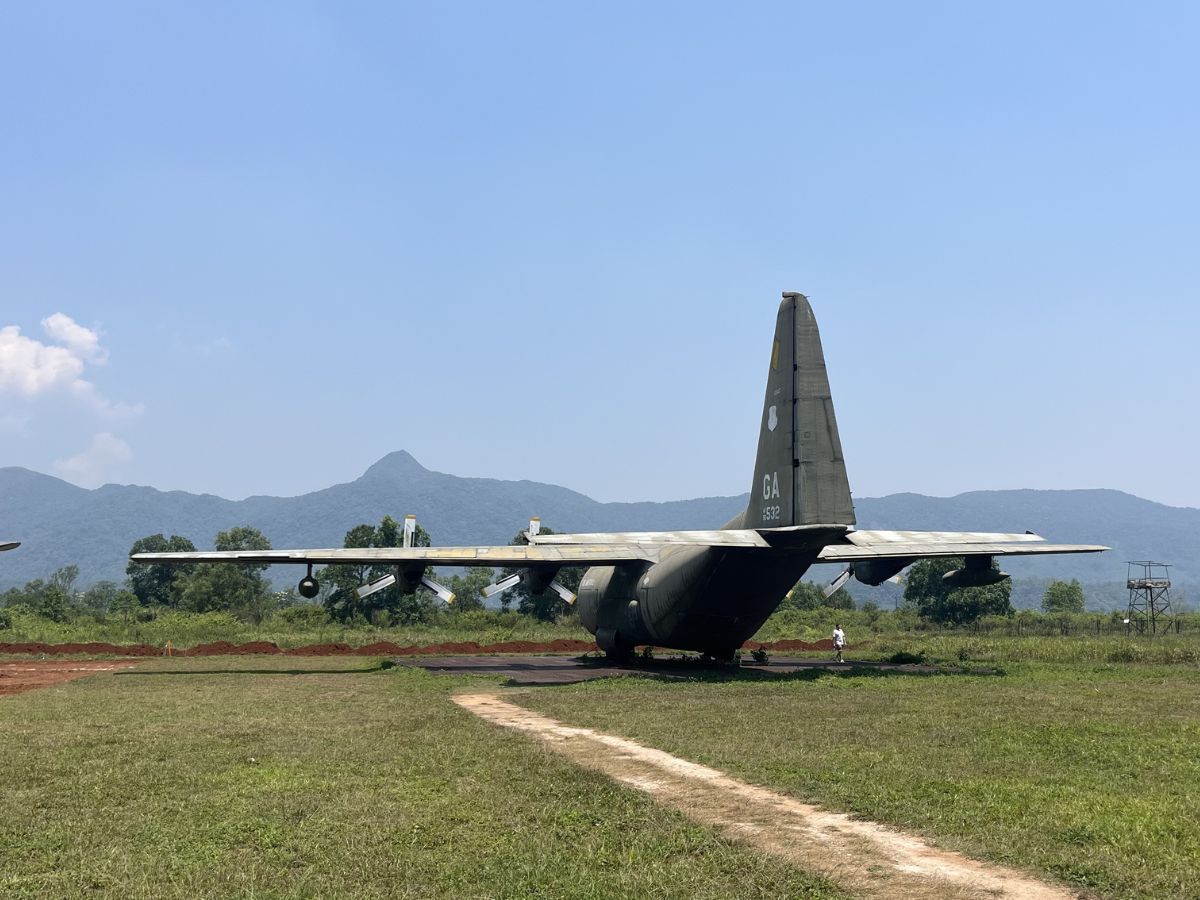
Vietnam: History, Memory, and the Contemporary State uses Vietnam as a field setting for working through questions around historical narrative, political memory, and how different environments frame the past in different ways. Rather than treating the country as a sequence of major sites, the program moves across Hanoi, central Vietnam, and Ho Chi Minh City as distinct contexts that can be read and discussed from multiple academic angles.
The structure shown here functions as a reference route rather than a fixed academic script. In practice, the academic direction of the program is shaped by the faculty lead, depending on course priorities, student cohort, and how the field component is intended to sit within the broader curriculum.
Common entry points
Different academic angles this route can support
The same route can be used in different ways depending on the course. What matters is not only where students go, but how those environments are framed, read, and discussed.
History and historical interpretation
Sites across the route can be used to compare how the past is presented in different institutional and everyday settings, and how official narratives sit alongside material traces and lived experience.
Political memory and the postwar state
Museums, memorials, and civic spaces provide a setting for discussing how war memory, reunification, and state identity are framed, while also allowing space for comparison and questioning.
Area studies and regional comparison
Moving between northern, central, and southern Vietnam makes it possible to compare different historical layers, regional identities, and social rhythms, depending on how the program is framed.
International relations and conflict legacies
Selected sites can be used to open discussion around external intervention, Cold War dynamics, and the longer afterlives of conflict, depending on the level of preparation and framing.
Religion, heritage, and social life
Temples, pagodas, and heritage sites can support discussion around continuity, ritual, and cultural identity, especially when read alongside contemporary urban life.
Field-based discussion and comparison
Because the program mixes formal sites with everyday environments, it can support comparison across different types of spaces, though the depth of that comparison depends on how it is structured academically.
Field structure
How the reference route typically unfolds
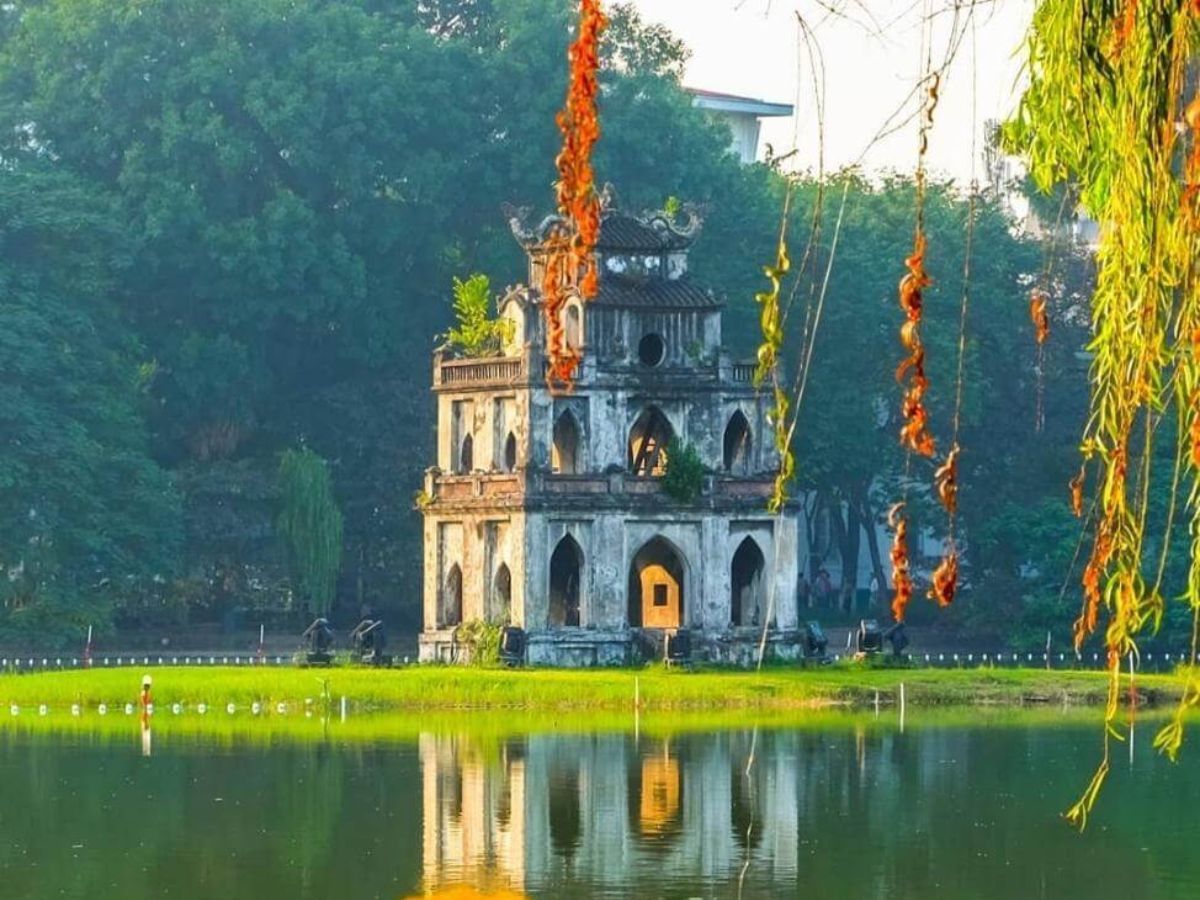
Days 1–4 · Hanoi
Initial context and urban reading
Sites such as Hoan Kiem Lake, the Old Quarter, the Temple of Literature, selected museums, and the mausoleum area provide a starting point for situating modern Vietnam historically and politically. How these are used depends on the framing introduced by faculty.
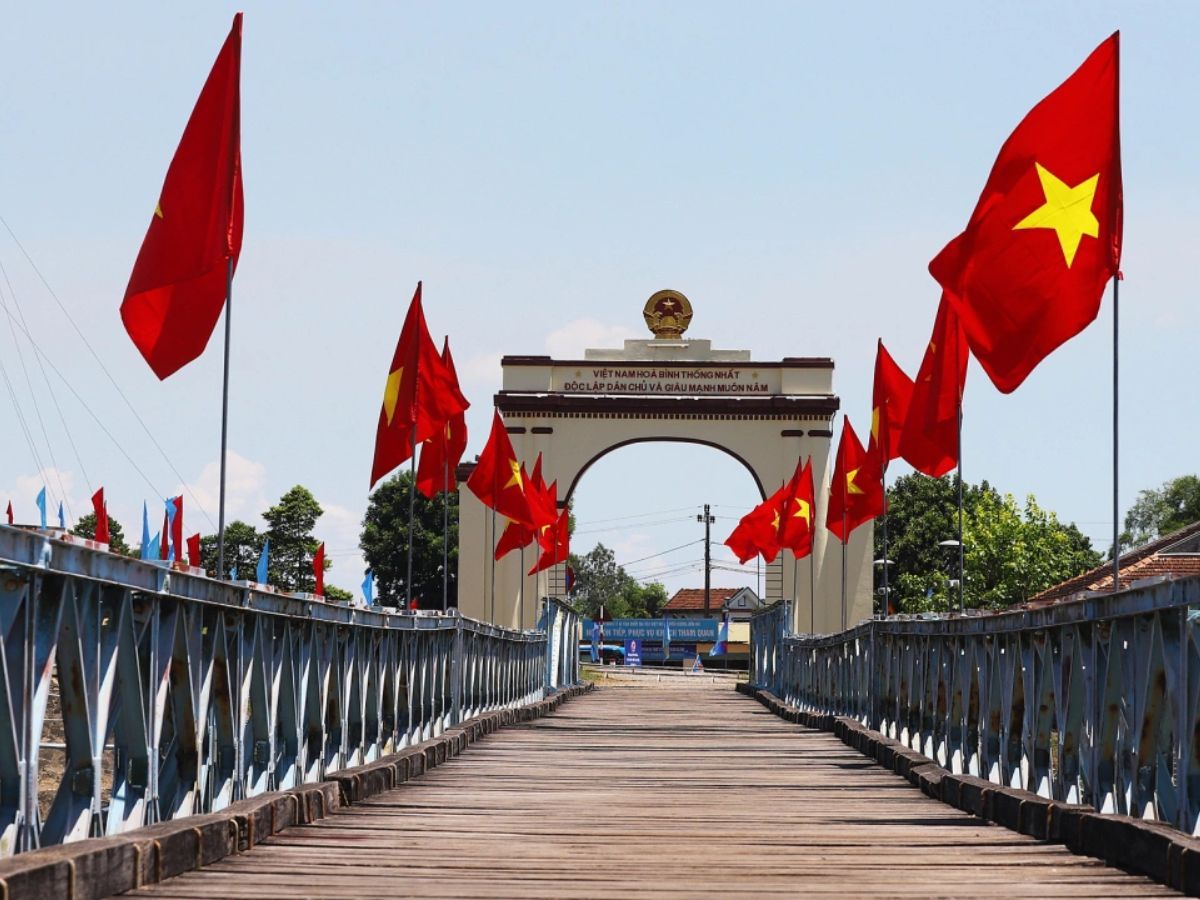
Days 5–7 · Hue & Quang Tri
Imperial legacies and war landscape
Hue and the DMZ region introduce a different historical layer, where imperial history, Buddhism, and twentieth-century conflict intersect. These sites can be used to explore how different periods are represented and connected, depending on the questions being asked.
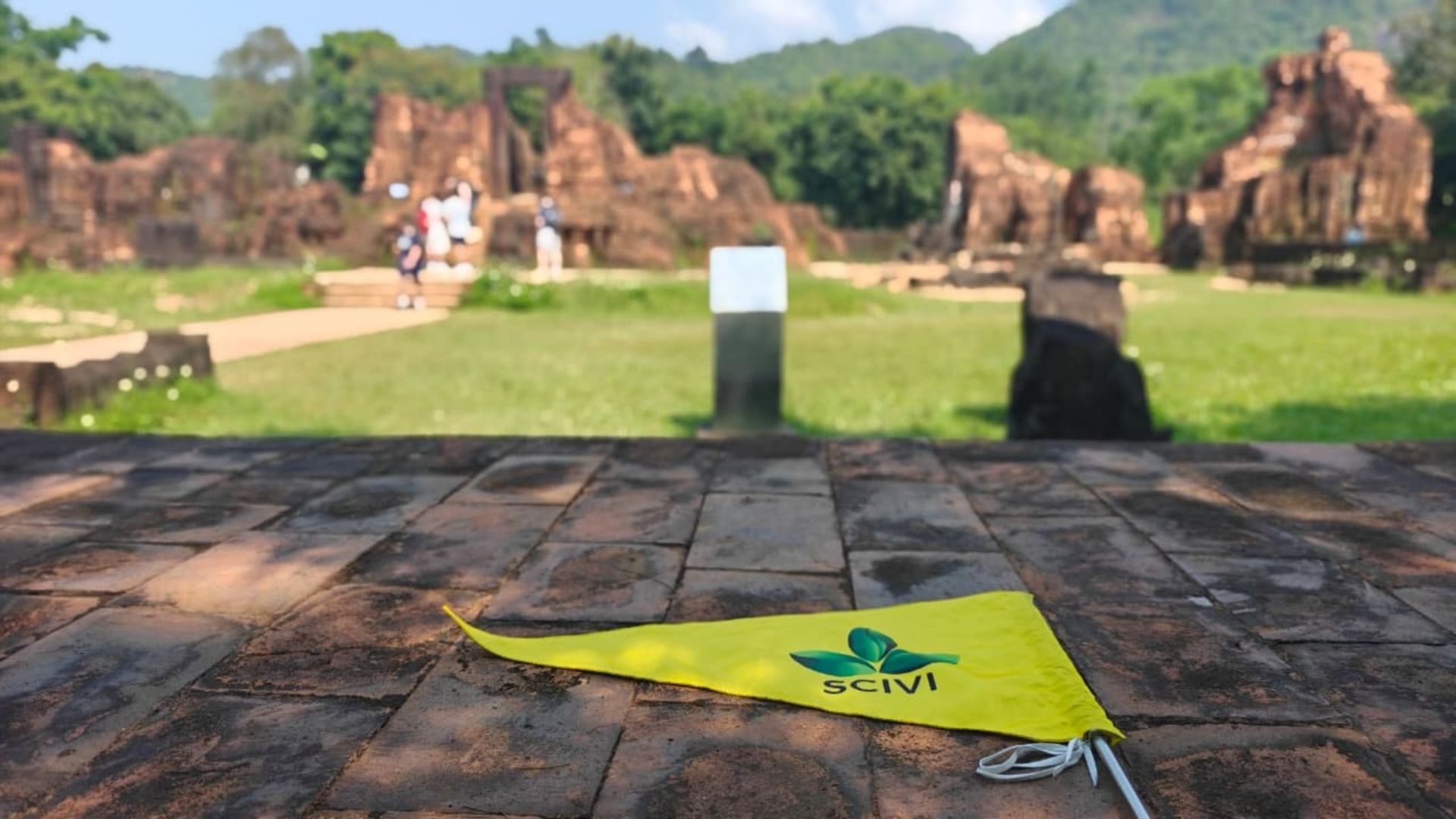
Days 7–8 · Hoi An
Heritage and longer historical layers
The route through Da Nang, My Son, and Hoi An introduces pre-modern and early modern layers, which can be used to broaden discussion beyond twentieth-century conflict if that aligns with the course direction.
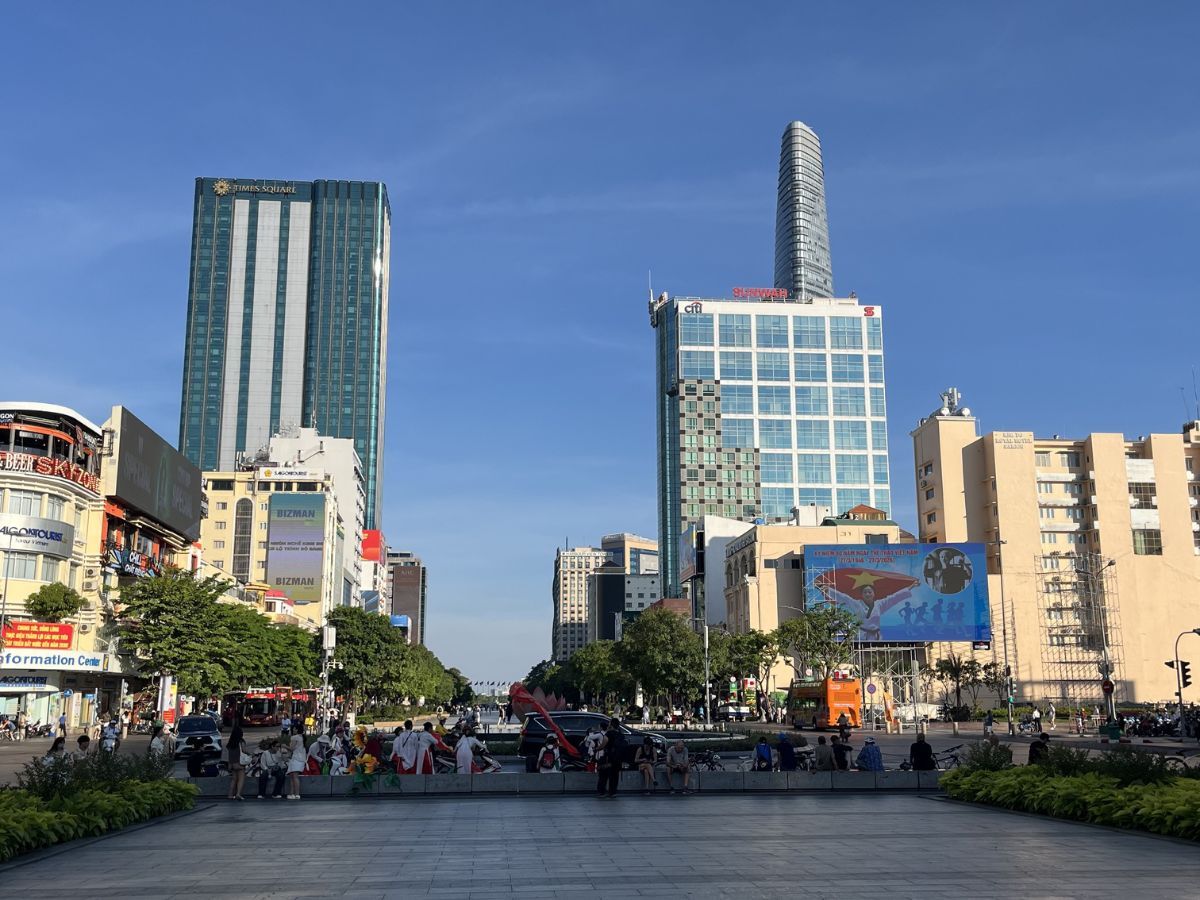
Days 9–10 · Ho Chi Minh City
Southern perspectives and contemporary context
Sites such as Cu Chi, the War Remnants Museum, and the Independence Palace provide a southern perspective on the same historical events, while the wider city offers a contemporary setting that can be read in relation to earlier parts of the program.
What often shapes program decisions
Faculty and global engagement teams typically need to work through a few practical questions before finalizing a program:
- How closely the field component should map onto a specific course or module
- What kinds of sites and encounters are most useful for the intended learning outcomes
- How much structure should be carried by the itinerary versus by faculty-led discussion
- What level of operational support is needed across multiple locations
How we work with faculty
The role of the program is to make the field accessible and workable, rather than to define the academic direction. We support planning before the program, manage logistics in-country, and coordinate local elements so that faculty can focus on how students are engaging with the material.
Next step
If you are exploring how a field component like this could fit into a course or program, we can work through possible directions together. Contact us via email or channels below.