A place-based journey across Vietnam where students encounter culture through regional rhythms of life, from capital cities and former trading ports to imperial centers, river deltas, and everyday food environments.
Program snapshot
Audience
High school / student groups
Route
Hanoi – Ninh Binh – Ha Long – Hoi An – Hue – Ho Chi Minh City – Mekong Delta
Focus
Regional life, culture, history, foodways, local environments
About
Vietnam through its regional ways of life
This program is designed as an introduction to Vietnam through the differences that exist across its regions. Rather than presenting culture as a broad category, it uses movement from north to center to south to show how history, food, architecture, landscape, and daily life take on different forms across the country.
Hanoi, Ninh Binh, and Ha Long introduce political history, religious landscapes, and northern urban rhythm. Hoi An and Hue bring in trade, imperial memory, inherited forms of living, and central Vietnamese craft and cuisine. Ho Chi Minh City and the Mekong Delta shift the lens toward urban multiplicity, river-based economies, and southern ways of life.
The value of the program lies in this comparison. Students are not only seeing Vietnam; they are learning how to read variation within it.
Why it works
The program works because it gives culture a structure. Instead of treating every site as a new attraction, it helps students understand what each region reveals about the country as a whole.
Food, workshops, markets, religious spaces, waterways, and city centers are used as entry points into larger patterns of social life.
This makes the trip broader than a history tour, but more focused than a generic culture itinerary.
Positioning
What this program is not
- Not a checklist of famous sites without a clear learning arc.
- Not a narrow subject trip built around one discipline alone.
- Not a version of “culture” reduced to staged performances or surface-level exposure.
Learning approach
Observation, comparison, and immersion in practice
Regional comparison
Students compare north, center, and south through differences in rhythm, architecture, food, public space, and landscape.
Place-based observation
Cities, rivers, markets, villages, museums, and religious sites are treated as environments to read, not just places to visit.
Participation through daily life
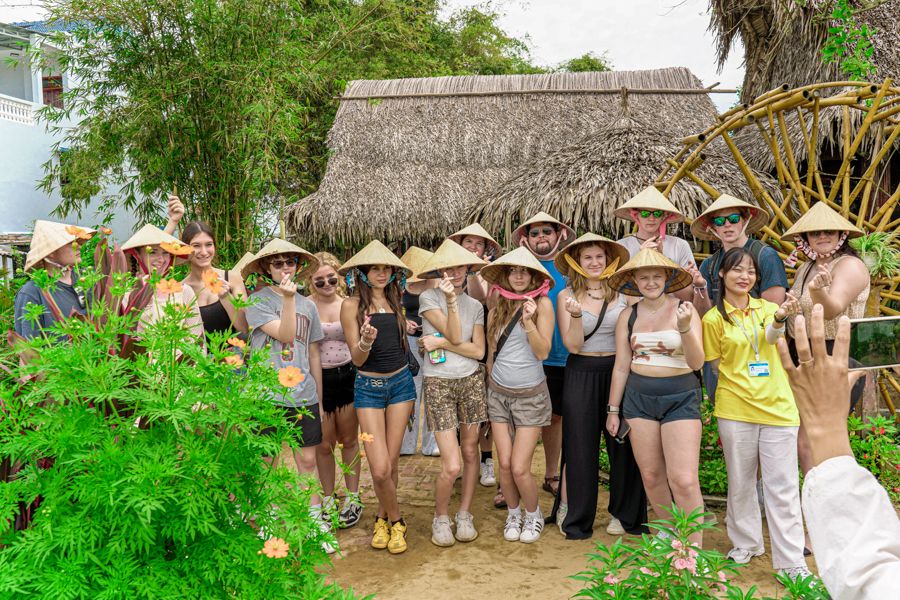
Cooking, cycling, boat travel, workshops, and food experiences bring students into the textures of daily life across different regions.
Highlights
How regional culture becomes visible
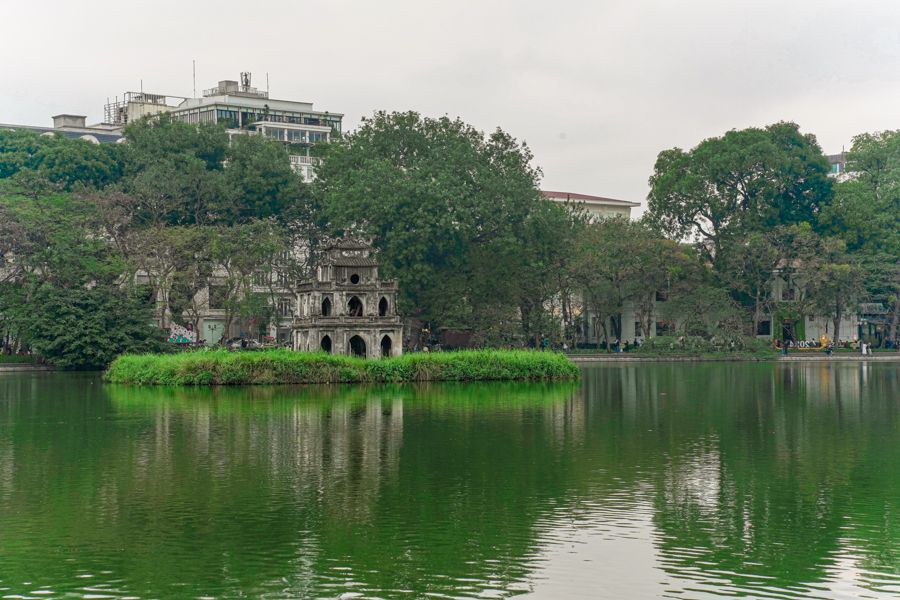
North: capital, landscape, and historical depth
- Explore Hanoi through temples, museums, pagodas, and its city center rhythm.
- Use Ninh Binh and Ha Long to understand karst landscapes, waterways, and older political-religious settings.
- Read northern Vietnam through both state history and environment.
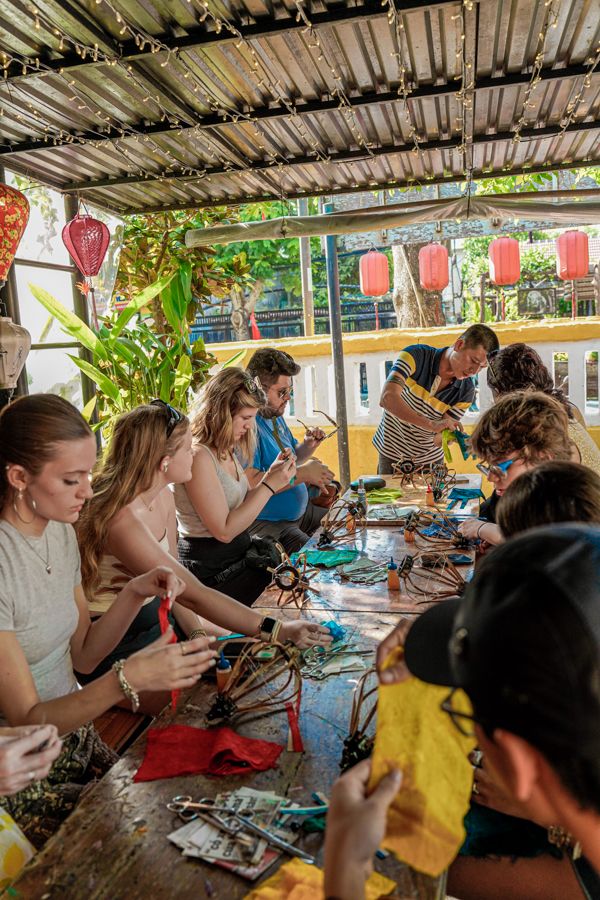
Center: trade, imperial memory, and inherited forms of living
- Study Hoi An as a former trading port through architecture, workshops, foodways, and street life.
- Read Hue through imperial spaces, garden houses, mausoleums, and older cultural codes.
- See how central Vietnam preserves both exchange and inheritance.
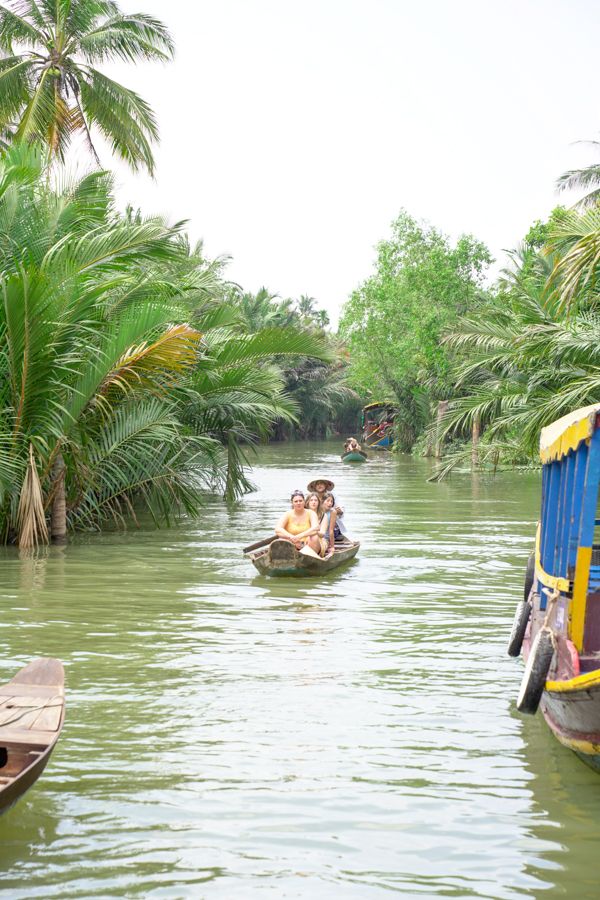
South: urban energy and river-based life
- Experience Ho Chi Minh City as a cultural crossroads shaped by migration, trade, and war memory.
- Enter the Mekong Delta through Ben Tre and Can Tho as living systems of waterways, markets, and production.
- Understand southern Vietnam through movement, commerce, and the river environment.
Program structure
How the experience is structured
North
Hanoi, Ninh Binh, and Ha Long introduce political history, landscape, religion, and northern urban life.
Center
Hoi An and Hue bring together trade, craft, food, imperial history, and inherited cultural forms.
South
Ho Chi Minh City and the Mekong Delta reveal urban diversity, war memory, and river-based economies.
Pacing
The route alternates between movement, observation, participation, and slower moments of immersion.
Program flow
A regional journey from north to south
Northern Vietnam
Hanoi, Ninh Binh, and Ha Long Bay establish the country’s political, religious, and environmental foundations.
Central Vietnam
Hoi An and Hue reveal central Vietnam through port history, craft traditions, imperial spaces, and local ways of living.
Southern Vietnam
Ho Chi Minh City, Ben Tre, and Can Tho shift the trip toward urban energy, river systems, and southern forms of social life.
Next step
Request a program outline
We can adapt this route to your group’s interests, timing, and educational priorities while keeping the regional structure intact.
Start the conversation