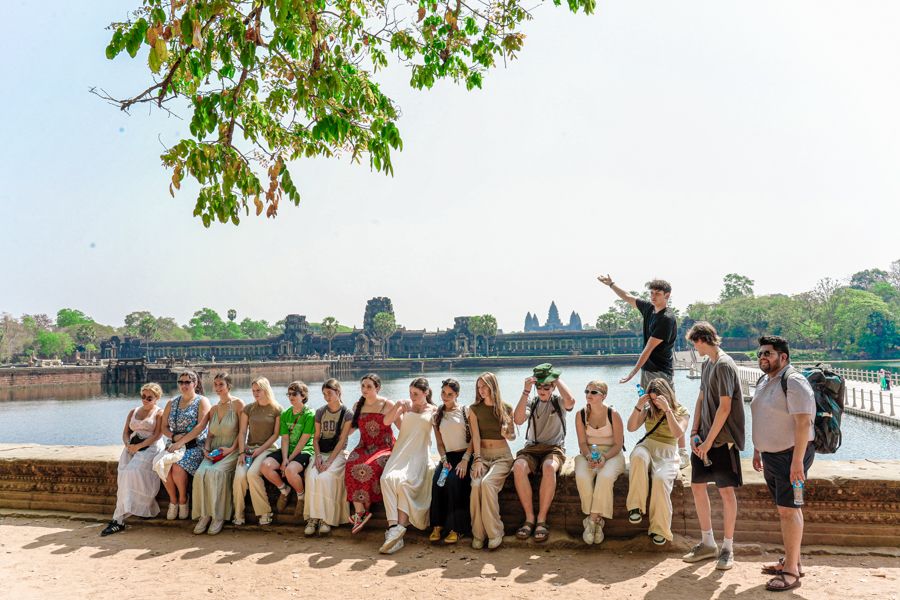
High school trips Vietnam
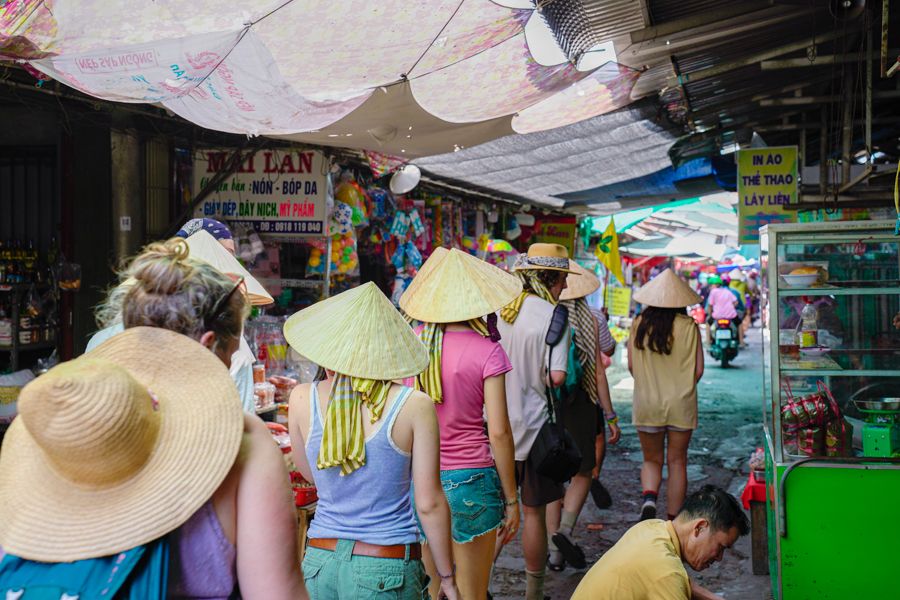
High school trips to Vietnam need a different level of design compared with university travel. Students are encountering unfamiliar environments for the first time, which means the program has to balance exposure, pacing, support, and educational use of the field.
The strongest programs are not defined by the number of activities. They work because students are guided through real places — cities, historical sites, cultural settings, and regional contexts — in ways they can process rather than simply pass through.
7–12 days
Middle school and high school groups
Structure, pacing, safety, and educational depth
Schools looking for guided exposure to real environments
A strong high school trip to Vietnam usually includes
- A clear daily rhythm that students can follow
- Structured movement through environments that would otherwise feel overwhelming
- Teacher-led framing before and after key visits
- Enough challenge to feel real, but not so much that the group loses coherence
- Learning grounded in place rather than generic activities
- Support on the ground so teachers can stay focused on students
Common directions for high school trips in Vietnam
Introduction to Vietnam
Programs that help students understand the country through broad exposure to history, culture, regional contrast, and everyday life.
History and memory
Programs focused on war, political memory, public narrative, and the ways the past remains present in contemporary Vietnam.
Urban systems
Programs that use cities as active learning environments where students can observe movement, commerce, public space, and social change.
Community engagement
Programs that place more emphasis on local interaction, continuity, and participation rather than short exposure alone.
These programs usually sit within broader trip structures. For a wider view of how Vietnam programs are designed across different contexts, you can look at our Vietnam school trips.
For a broader perspective beyond school-specific programs, you can also see how Vietnam is used in different learning contexts in our educational travel in Vietnam.
Some schools are specifically looking for programs with a stronger engagement component. You can read more about that in our service learning programs in Vietnam.
What students actually experience
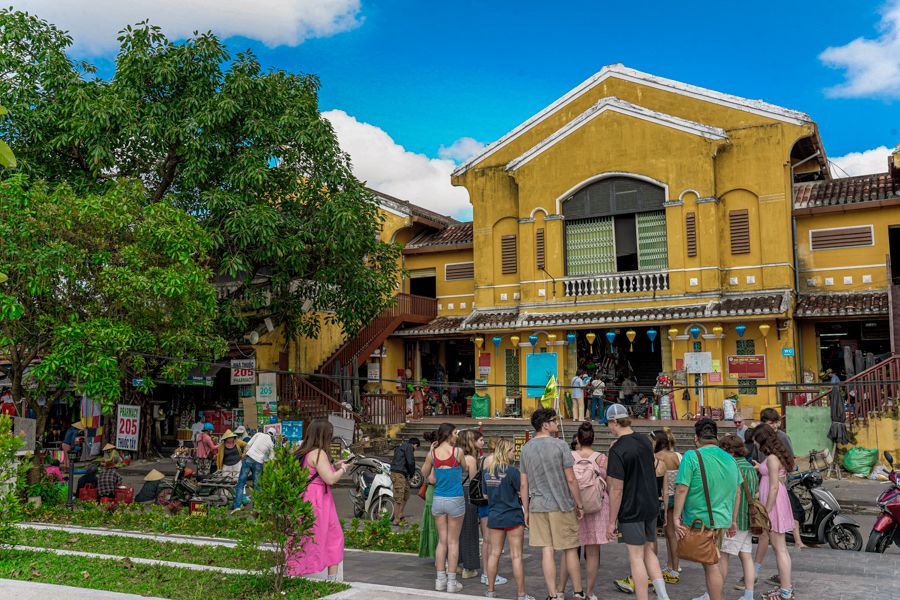
Urban environments
Students encounter cities that are active, layered, and often more intense than the environments they are used to.
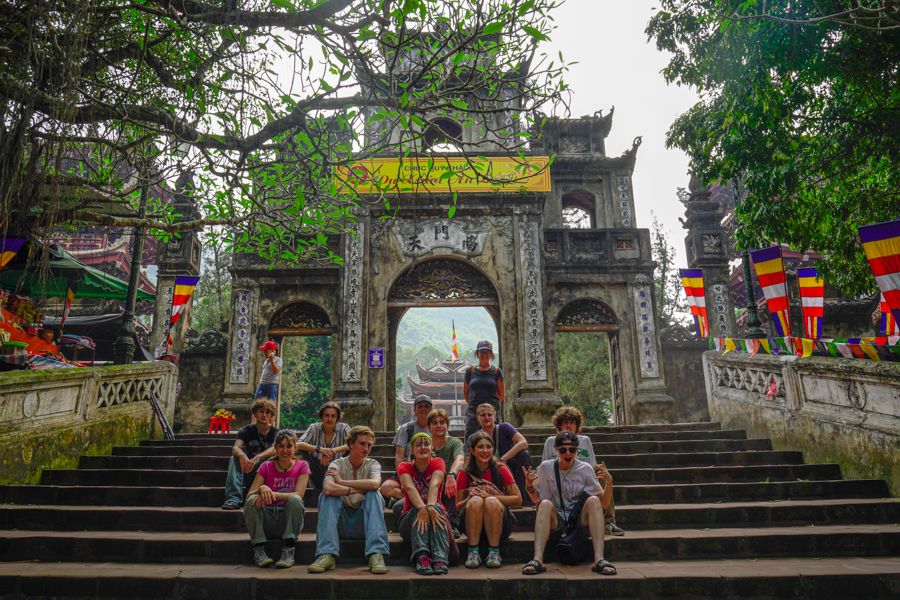
History in place
Historical understanding becomes more concrete when students move through the places where narratives and memory are still visible.
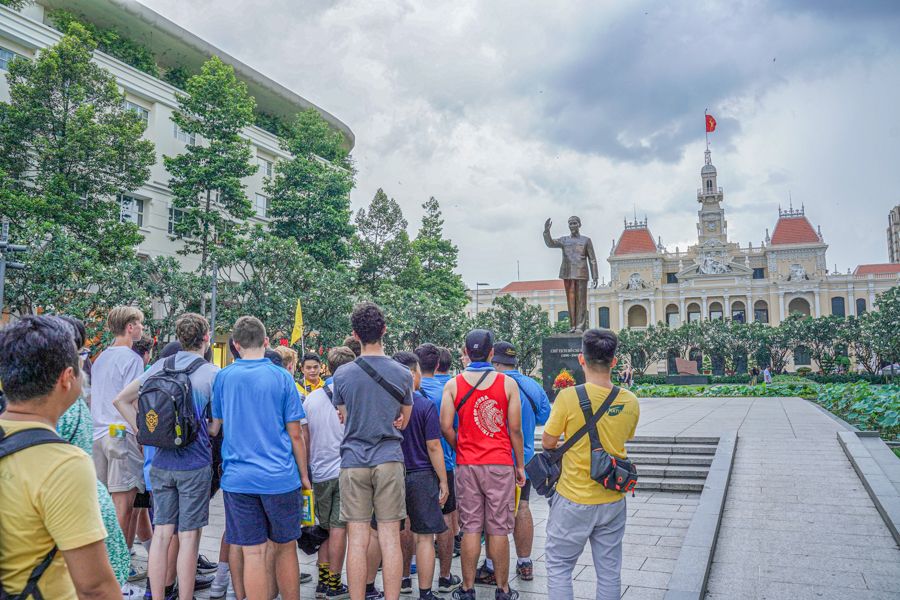
Local context
Students do better when they spend enough time in a place for observation and interaction to become meaningful rather than rushed.
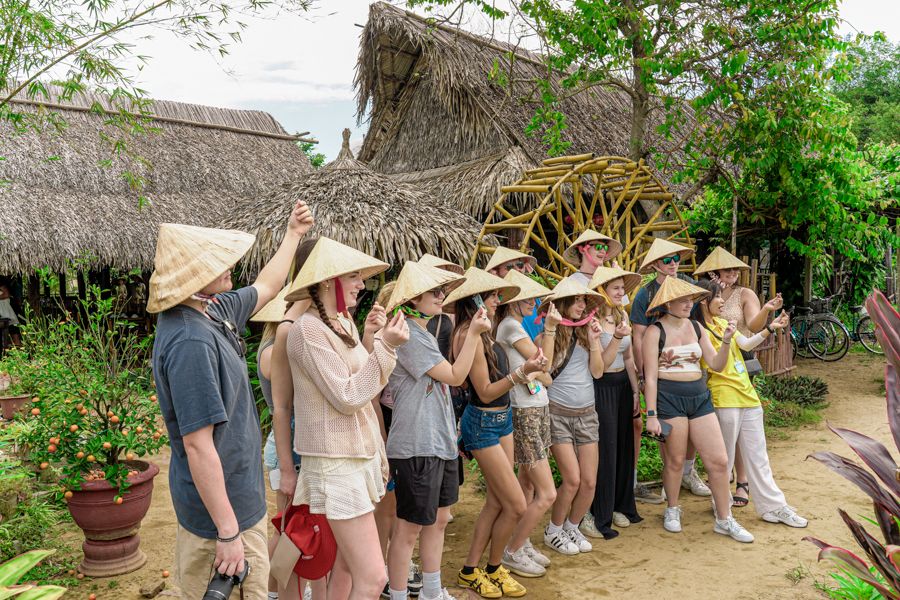
Regional difference
One of the strongest parts of a Vietnam program is seeing how daily life and social texture shift across different parts of the country.
We write more about what students actually respond to in the field in our blogs and articles.
Is Vietnam a good fit for your students?
Good fit when
Your school is looking for a program that combines structure with exposure to real environments and is open to a destination with genuine complexity.
More difficult when
The expectation is a highly controlled, low-friction trip where the field is tightly managed at every step.
Why that matters
Vietnam is rarely the easiest destination. But for the right students, that is often where the educational value begins.
Built to support teachers
Before departure
We help schools shape routes and pacing that match student age, school expectations, and the level of challenge that feels appropriate.
On the ground
We manage local coordination so teachers can stay focused on student learning, supervision, and discussion.
In practice
A good high school trip needs enough structure to feel safe and coherent, but enough openness for students to actually learn from the field.
If you want a broader sense of how we approach this, you can read more about how we work at Scivi.
Planning a high school trip to Vietnam?
We can share a sample structure based on your student age group, timeline, and the kind of learning environment you want to create.
Want a customized tours that fits your organization’s need? Talk to us now!
Or drop us a line at [email protected]