Vietnam School Trips
Vietnam school trips can take very different forms. Some are broad introductions to culture, history, and regional variation. Others are more focused, using the country as a field setting to explore urban change, economic life, public memory, or community-based engagement.
At Scivi, programs are designed around real environments rather than pre-packaged activities. The aim is not simply to move students through a destination, but to place them into contexts that hold attention, create productive friction, and give teachers something meaningful to work with.
7–14 days
Middle school and high school groups
History, culture, urban systems, community engagement
Schools looking for learning grounded in place
A typical Vietnam school trip may include
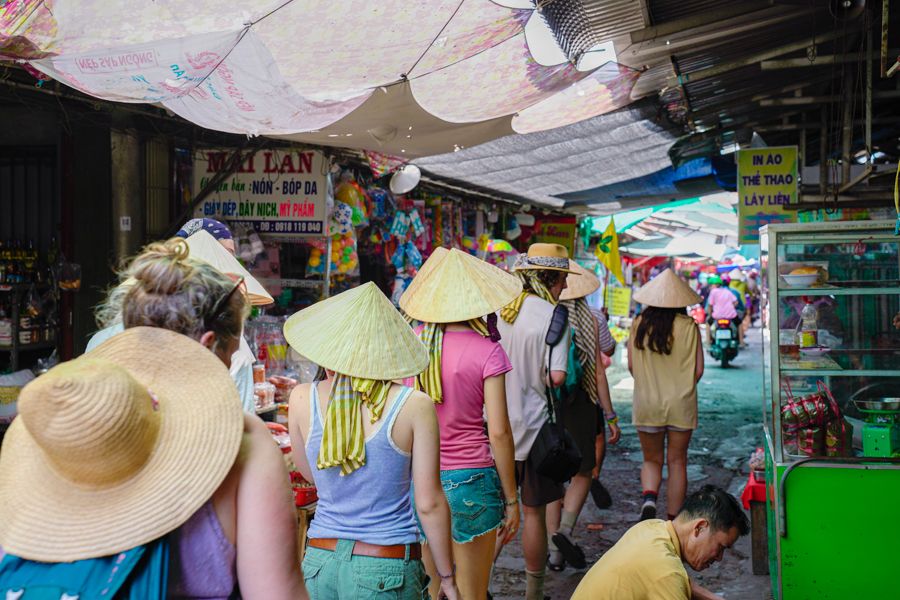
- Walking through Hanoi’s Old Quarter to observe movement, street economies, and public space in real time
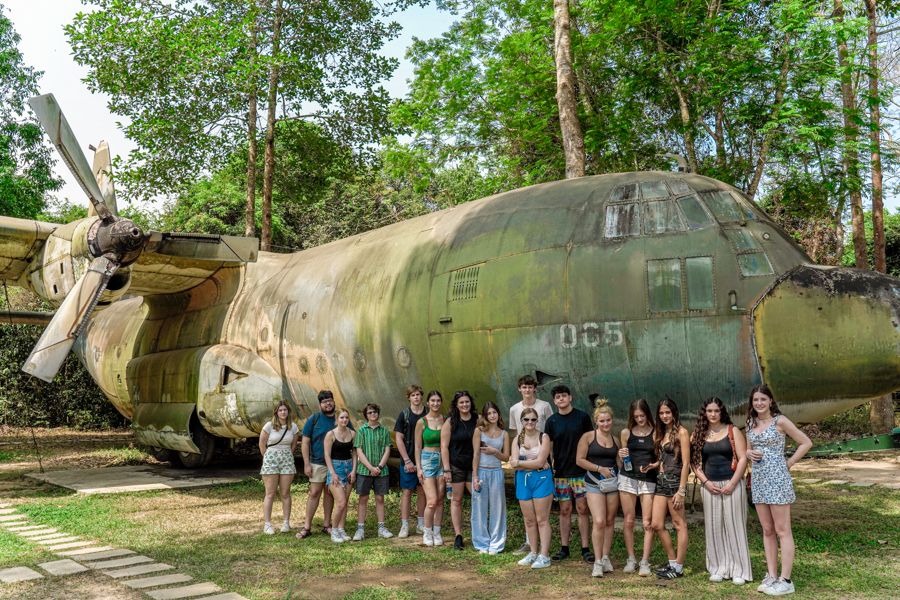
- Visiting historical and war-related sites where competing narratives and memories remain active
- Moving between regions to compare pace, landscape, and ways of life
- Spending time in a local context long enough to move beyond surface interaction
- Teacher-led debriefs that help students process what they are seeing rather than simply record it
- Structured exposure to places that do not feel designed for tourists first
How schools typically structure Vietnam school trips
Broad introduction to Vietnam
A north–south or regionally varied route that helps students understand Vietnam through contrast — foodways, landscapes, daily life, and local texture across different regions.
History and global politics
Programs built around war, colonial history, political memory, and the way the past continues to be framed and interpreted in the present.
Urban systems and economic change
Programs that use cities such as Hanoi or Ho Chi Minh City as field environments for reading movement, commerce, infrastructure, and social change.
Community-based engagement
Programs that stay longer in one setting and ask more of students in terms of attention, participation, and responsibility rather than short exposure.
Most of these directions do not exist on their own. They usually sit within a larger program structure. If you want to see how these are adapted for younger students in more detail, you can look at our high school trips in Vietnam.
If you want a broader view of how Vietnam is used as a learning environment across different types of groups and formats, you can also explore our educational travel in Vietnam.
For schools exploring more structured forms of local engagement, you can also see how this works in our service learning programs in Vietnam.
What students actually do during school trips in Vietnam
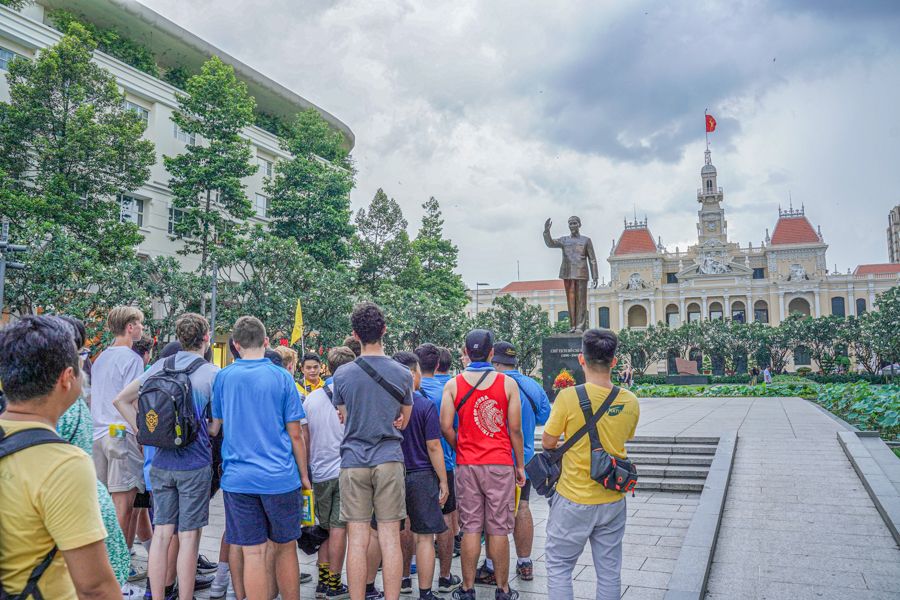
Encounter history in place
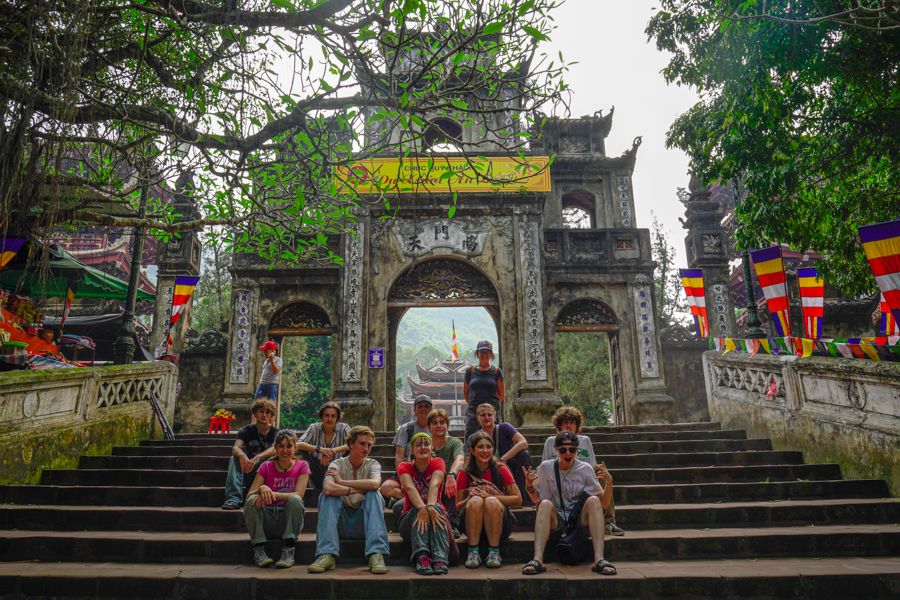
Students move through sites where war, memory, religion, and state formation remain visible in architecture, institutions, and public narrative.
Read cities as living systems
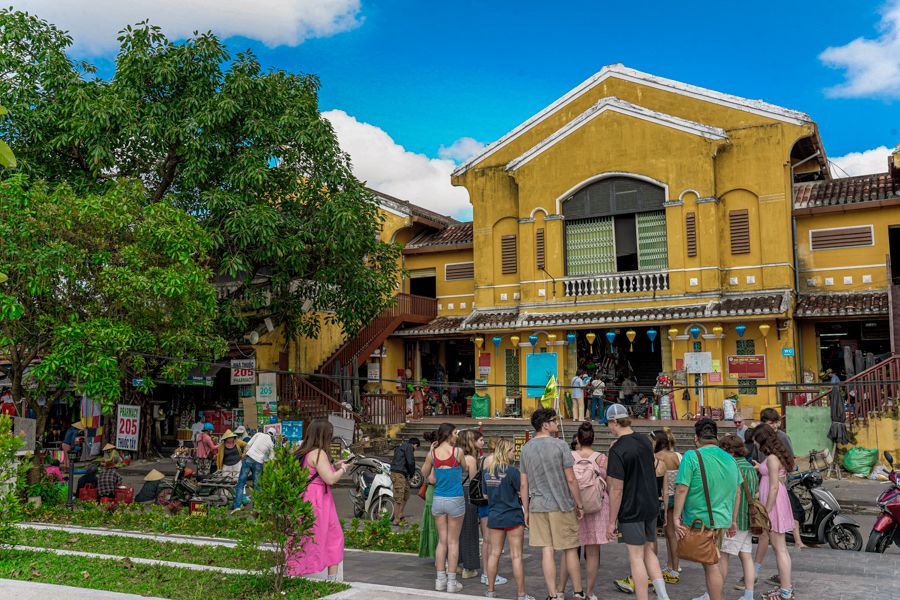
Streets, markets, transport, public space, and informal commerce become field material rather than background scenery.
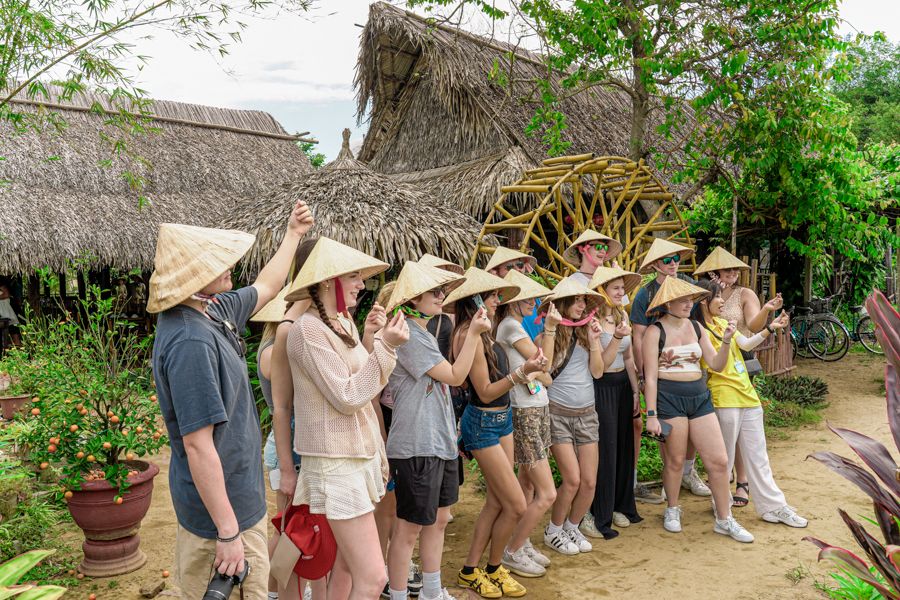
Spend time in local contexts
Depending on the program, students may work more closely with local partners, schools, initiatives, or regional environments over several days.
Compare regions rather than flatten them
A stronger trip helps students notice how daily life, historical memory, and development differ from one region to another.
Some of this only becomes clear once you have seen how students actually respond in the field. We have written a bit more about that in our blogs and articles, where we unpack what tends to work — and what tends to fall flat — once programs are actually running.
How a Vietnam school trip is often structured
Hanoi
Entry point into history, public space, and everyday urban life.
Central Vietnam
Hue, Da Nang, or Hoi An for imperial history, heritage, and regional identity.
Mekong Delta
Slower-paced environments where students can engage more closely with livelihoods and community life.
Ho Chi Minh City
A fast-moving environment that highlights economic change and contemporary Vietnam.
What schools usually consider
Student readiness
Some programs are designed as introductions. Others require students to handle more open, less controlled environments.
Academic alignment
Trips can be aligned with history, global politics, geography, economics, or broader interdisciplinary goals.
Program intensity
Schools vary in how demanding they want the field experience to be.
Logistics and safety
Pacing, transport, supervision, and local coordination all shape whether a program holds together well on the ground.
Built to support teachers
Before the trip
We help shape the route, structure, and pacing around your students and your teaching approach.
During the trip
We handle operations so teachers can focus on students rather than logistics.
In practice
Programs are structured enough to run well, but open enough for real environments to do their work.
Our role is not to replace teachers, but to support how they work on the ground. If it helps to understand that approach more broadly, you can read more about how we work at Scivi.
Some institutions approach this differently at the university level, where programs are structured more directly around a course or line of inquiry. You can see how that works in our faculty-led programs.
Planning a school trip to Vietnam?
Most schools start with a direction rather than a fixed itinerary. If it helps, we can share a sample Vietnam school trip structure based on your students, timeline, and academic focus.
Want a customized tours that fits your organization’s need? Talk to us now!
Or drop us a line at [email protected]