Sapa: Field Research in Practice
This program is structured as a short, faculty-led field research experience based in Sapa, with preparatory work completed prior to arrival. Student teams enter the field with defined research themes and questions, and use the time on the ground to test, adapt, and refine their work through direct engagement.
Rather than introducing topics from scratch, the field component functions as an extension of prior research. Hanoi and Sapa are used as different settings in which research can be reframed, extended, or connected, depending on the direction of each group’s inquiry.
How the program is typically organized
Pre-field research
Students begin with prior research, developing themes, questions, and working assumptions before entering the field. This provides a starting structure for their work in Sapa.
Field deployment
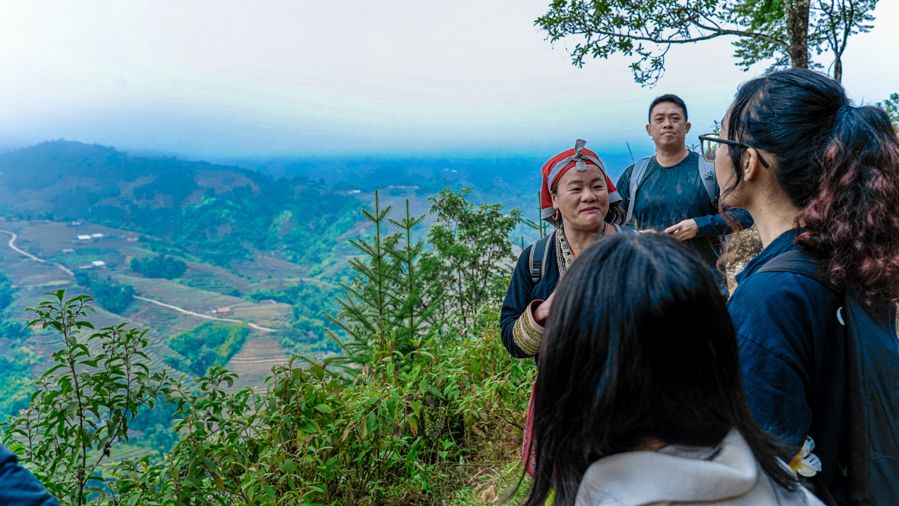
Student teams conduct interviews, observations, and site-based inquiry across villages, markets, and local institutions, adjusting their approach as needed.
Reframing and extension
Hanoi provides a secondary setting where selected themes can be revisited, extended, or connected to broader urban or national contexts.
Range of student-led inquiries
Research topics vary by group and cohort, and may include themes such as ethnic minority livelihoods, women’s empowerment, rural development, tourism, trafficking, education, and community-based systems. Each team works within its own defined scope.
Why Sapa is used as a research setting
The region provides access to multiple overlapping social and economic conditions, allowing different research themes to be explored within the same geographic area.
Local partners, households, and community settings make it possible for students to conduct interviews and observations within a relatively short timeframe.
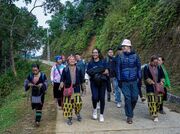
Movement through the landscape, including trekking, functions primarily as a way to access field sites rather than as a standalone activity.
The setting allows students to adjust their research direction in response to what they encounter, within the limits of the program duration.
Supporting student-led field research
Faculty retain academic direction over the program, including research framing and supervision. Our role is to support the field component — coordinating logistics, access, and local engagement — so that student teams can carry out their work within a manageable structure.
Next step
If you are exploring a short-duration field research component for your course, we can adapt this structure around your cohort and research priorities. Start the conversation with us via channels below.
Want a customized tours that fits your organization’s need? Talk to us now!
Or drop us a line at [email protected]