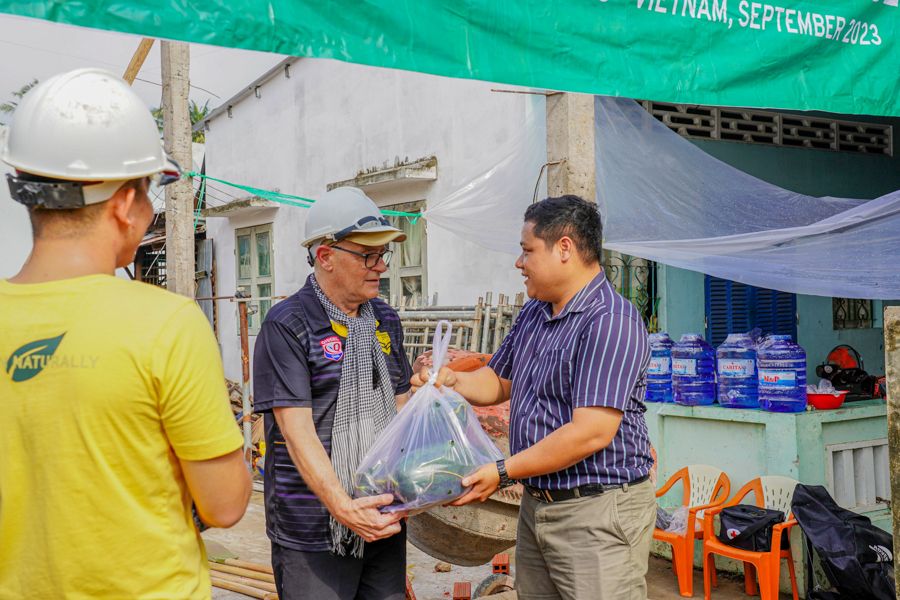
Service learning programs are often built around good intentions. But without structure, most of them produce very little learning — and sometimes very little value for the communities they engage with.
Why service learning programs often fail
Service learning is widely used in school travel programs.
It promises engagement, contribution, and real-world exposure. On paper, it is often presented as one of the most meaningful parts of a trip.
In practice, many programs fall short of that expectation.
The issue is not intent. It is mismatch.
The mismatch between intent and reality
Students arrive with the intention to contribute.
But they are entering environments that are not designed for them, do not depend on them, and often cannot meaningfully absorb their presence in a short period of time.
This creates a structural mismatch.
Students are asked to “help,” but the context does not always allow for real contribution within the limits of a short-term visit.
As a result, activities are often shaped around what is possible for visitors, not what is actually needed.
The experience may feel active, but that does not mean it is effective.
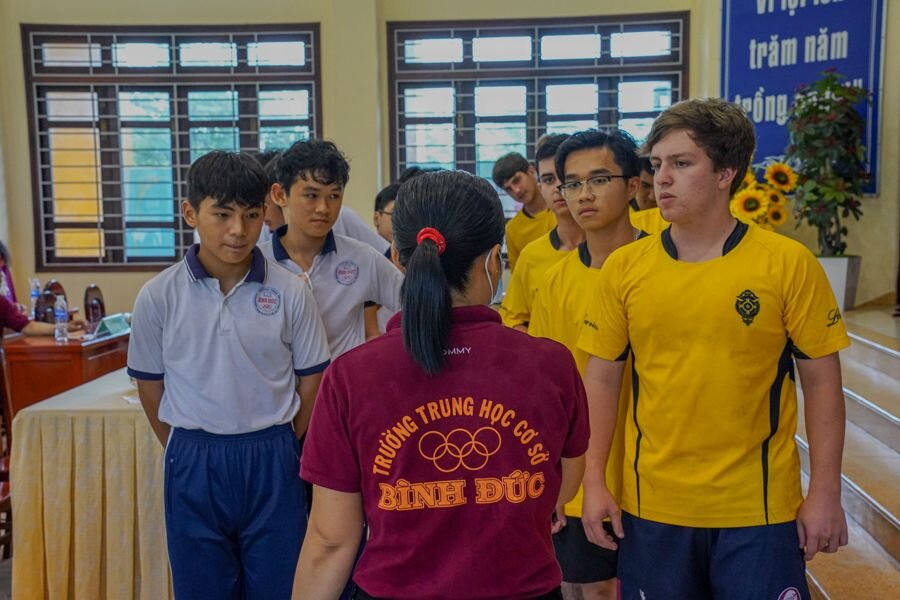
Short-term presence often creates activity, but not necessarily contribution.
Short-term presence has limits
Most service learning programs operate within tight timeframes.
Students may spend a few hours or a few days in a setting before moving on.
This limits what they can realistically understand, build, or contribute to.
However, many programs are still framed as if meaningful impact can be achieved within that time.
This creates unrealistic expectations on both sides.
Students may feel they are expected to make a difference. Local partners may need to accommodate a group without clear long-term benefit.
Without acknowledging these limits, programs tend to overpromise and underdeliver.
Activity replaces understanding
When programs are not structured carefully, the focus shifts toward activity.
Students do something — teach, build, visit, distribute — but often without a clear understanding of how that activity fits into a larger system.
The experience becomes task-based rather than context-based.
Students leave with a sense of having participated, but not necessarily with a deeper understanding of the environment they entered.
This is one of the most common failure points.
The program looks active from the outside, but produces limited learning on the inside.
Context is often missing
Another issue is the lack of context.
Students are introduced to a project or organisation, but not always to the broader systems around it — social, economic, institutional.
Without that context, it is difficult to understand what they are seeing or doing.
Why does this organisation exist? What constraints does it operate under? What problems is it actually trying to solve?
Without these questions, the experience remains isolated.
Students see a moment, but not the structure behind it.
In stronger programs — such as structured service learning programs in Vietnam — engagement is framed within real constraints and real context, rather than built around short-term activity alone.
What stronger programs do differently
Programs that work tend to approach service learning differently.
They start by recognising limits, not ignoring them.
They focus on positioning students within an existing system, rather than trying to create one around them.
They prioritise understanding over output.
This often means:
- clear roles for students within existing initiatives
- time spent understanding context before engaging
- reflection built into the process, not added at the end
- alignment between what students do and what actually makes sense locally
These changes are not always visible from the outside, but they significantly affect what students take away from the experience.
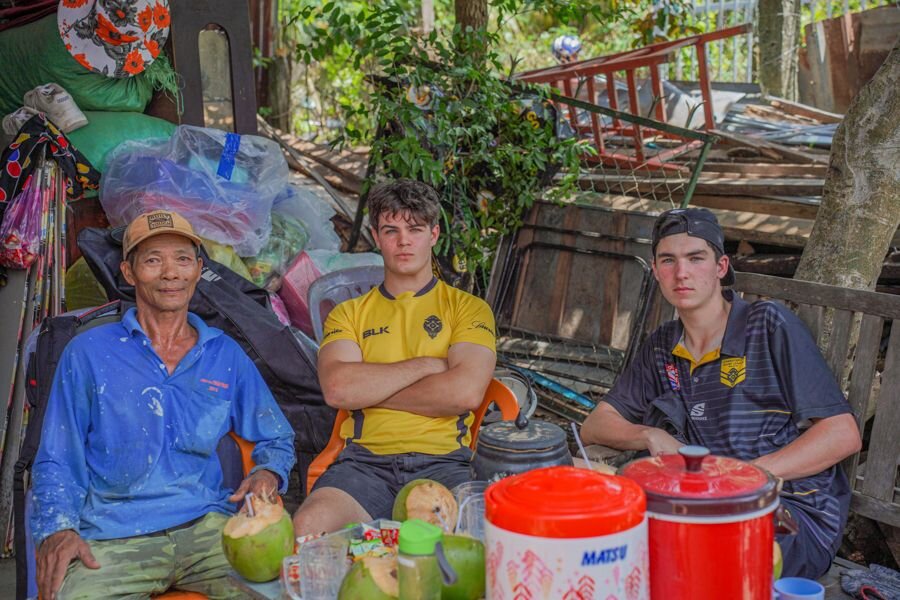
Stronger programs prioritise context and interpretation over activity alone.
Service learning as part of a larger program
Another important shift is how service learning is positioned.
Instead of being treated as a standalone highlight, it works better as part of a broader learning structure.
Students move between observation, interpretation, and engagement — rather than jumping directly into activity.
This creates continuity.
The engagement is no longer isolated. It is connected to what students have already seen and what they will continue to explore.
You can see how this is integrated within broader program design in Vietnam school trips, where engagement is positioned within a wider learning sequence rather than as a standalone activity.
The real question
The question is not whether service learning is valuable.
It can be.
The real question is whether the program is designed in a way that makes that value possible.
Without structure, most programs remain at the level of activity.
With structure, they can become part of a more coherent learning process.
That difference is not about intent. It is about design.
If you are planning a program
If you are considering including service learning in a school trip, it helps to start with a few simple questions:
- What is realistic within the time available?
- What role can students actually play?
- How will students understand the context they are entering?
These questions often lead to a more grounded approach — one that focuses less on visible activity, and more on meaningful learning.
Service learning does not fail because it is a bad idea. It fails when it is treated as an easy one.
More latest news
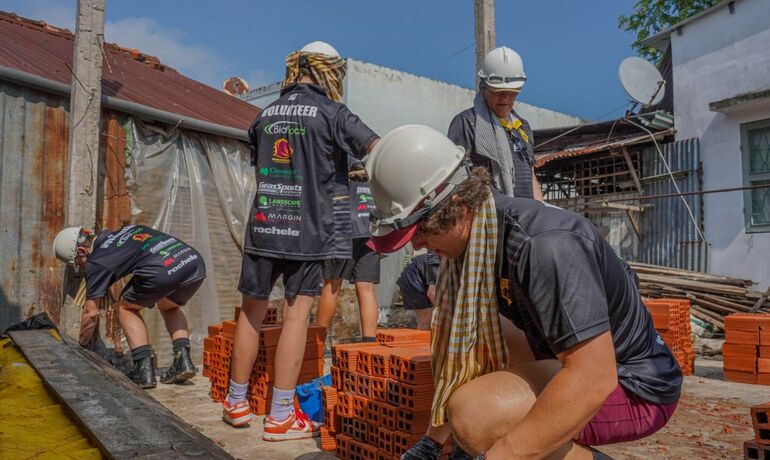
Vietnam School Group Tours & Service Learning Trips
Vietnam School Group Tours & Service Learning Trips Vietnam, a country of breathtaking landscapes, rich history, and diverse cultures, has become a sought-after destination for educational travel experiences. School group tours and service learning trips
Read more…
Ideas for School trip in Vietnam: Sapa and the North West
Sapa, a remote and enchanting destination nestled in the far northern reaches of Vietnam, presents a captivating landscape of rolling emerald hills, cascading waterfalls, and terraced rice fields that stretch into the horizon. This picturesque town,
Read more…
Exploring Educational Adventures - School Trips in Laos
Exploring Educational Adventures: School Trips in Laos Laos, a hidden gem in Southeast Asia, presents an incredible opportunity for educational school trips. This country boasts lush landscapes, serene temples, and a rich cultural heritage, making it an
Read more…