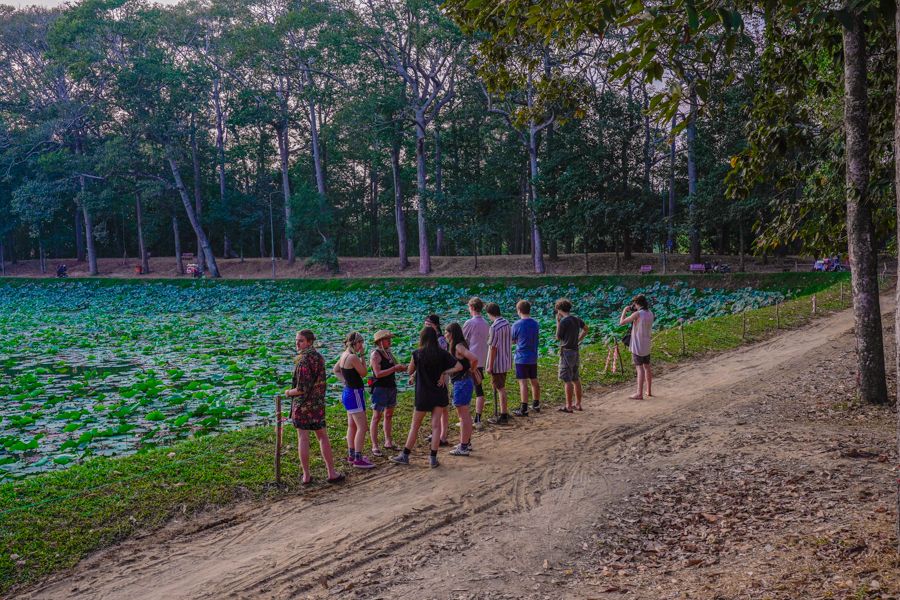
- What students actually notice when they travel in Vietnam
- Movement comes before meaning
- Space is used differently
- Everyday activity stands out more than landmarks
- Without structure, observations remain disconnected
- What changes when students are guided to look
- Regional differences become visible
- The gap between seeing and understanding
- If you are designing a program
Students don’t experience a place the way adults expect them to. In Vietnam, what they notice first is rarely history, culture, or landmarks — but movement, density, and how the environment actually works.
What students actually notice when they travel in Vietnam
When schools plan trips, there is often an assumption about what students will take away.
History. Culture. Local traditions. Important sites.
These are usually the stated objectives. They are also, in many cases, not what students notice first.
In practice, students tend to respond to something more immediate.
They notice how a place moves.
Movement comes before meaning
In cities like Hanoi or Ho Chi Minh City, the first thing that registers is not a monument or a historical narrative. It is the street.
The density of traffic. The flow of scooters. The way pedestrians cross without clear signals. The constant negotiation of space.
For students, this is not background. It is the experience.
Before they understand anything about the country, they are already trying to make sense of how movement works.
Without guidance, this remains at the level of reaction.
With structure, it becomes the starting point for reading a city.
Space is used differently
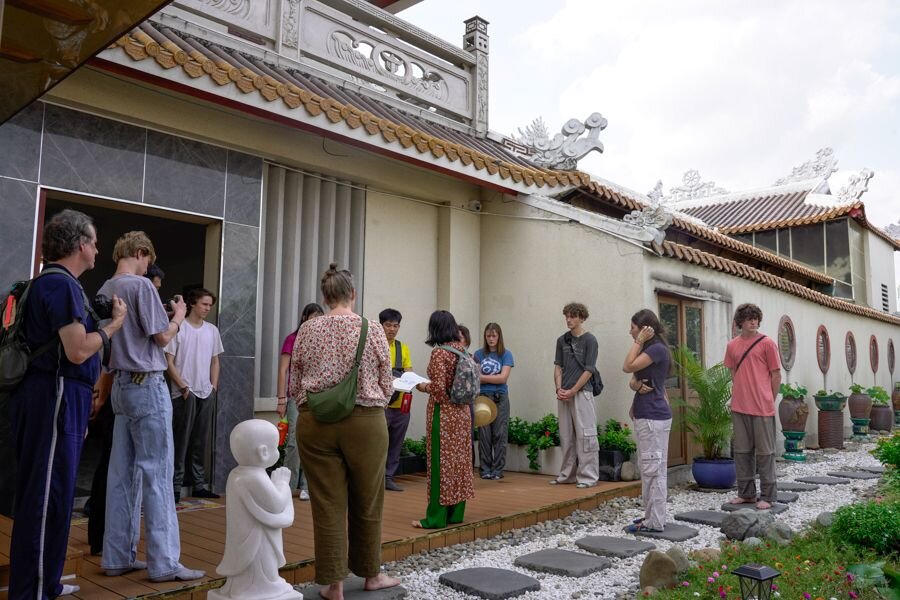
Students also notice how public space functions.
Sidewalks are not just for walking. They are used for eating, parking, selling, waiting, repairing. Boundaries between private and public space are less fixed than what many students are used to.
This creates a different kind of environment.
It can feel chaotic at first. But over time, patterns begin to emerge — who uses space, when, and for what.
The challenge is that these patterns are not always explained.
Students see them, but do not always interpret them.
Everyday activity stands out more than landmarks
There is often a gap between what adults consider “important” and what students actually engage with.
A historical site may carry deep meaning, but a nearby market, café, or street corner often feels more alive.
Students gravitate toward places where something is happening.
They watch how people interact, how goods are exchanged, how conversations unfold. These moments are not part of a formal itinerary, but they often leave a stronger impression.
The issue is not that these observations are unimportant.
The issue is that they are rarely used.
Without structure, observations remain disconnected
Most students notice more than they are able to articulate.
They see differences. They feel contrast. But they do not always have the tools to connect those observations to larger ideas.
As a result, the experience stays at the level of fragments.
This is where many trips fall short.
They provide access to rich environments, but do not help students make sense of what they are seeing.
In programs designed more deliberately — such as structured high school trips in Vietnam — these observations are not left on their own. They are framed, revisited, and built into something more coherent.
What changes when students are guided to look
When students are given specific lenses, the same environment begins to function differently.
Instead of reacting to everything, they focus on something:
- movement (who controls the street?)
- space (what is public space used for?)
- economy (where does everyday business happen?)
- social life (how do people interact in public?)
These are simple entry points, but they make a difference.
Students begin to move from noticing to reading.
They are no longer just experiencing the environment. They are interpreting it.
Regional differences become visible
Vietnam also allows for comparison across regions.
The pace of Hanoi is different from the Mekong Delta. The structure of a major city is different from a smaller town. Daily life shifts in ways that are visible, even over a short period of time.
Students often pick up on these differences intuitively.
What they need is a way to connect those differences to broader ideas — development, geography, history, economy.
This is where programs that treat Vietnam as a learning environment, rather than just a destination, begin to stand out.
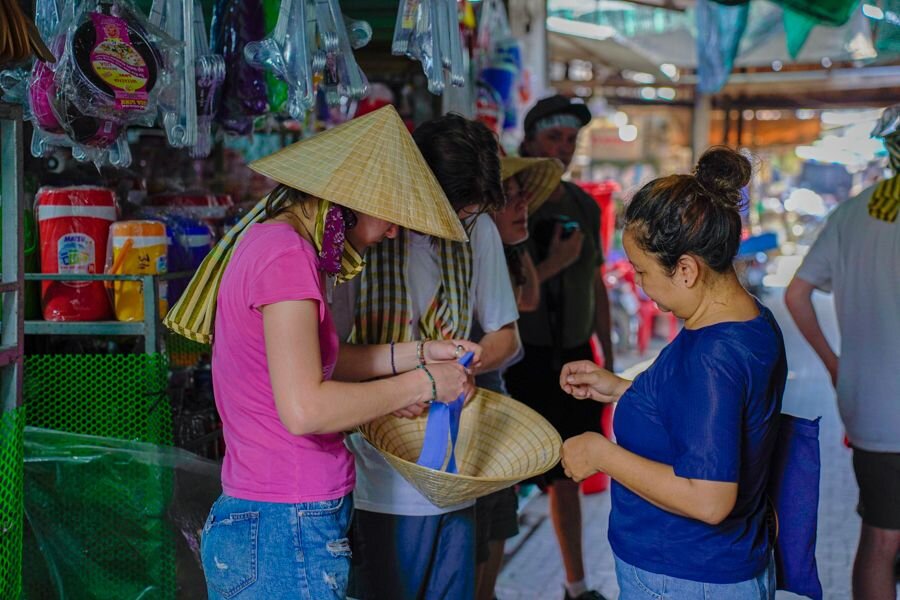
You can see how these elements are brought together in educational travel in Vietnam, where the goal is not just to visit places, but to use them.
The gap between seeing and understanding
One of the most consistent patterns is this:
Students see more than they understand.
That is not a problem. It is the starting point.
But without structure, that gap remains.
With structure, it can be narrowed.
This is the difference between a trip that is remembered and a trip that is learned from.
If you are designing a program
If the goal is to help students engage more deeply with a place like Vietnam, it helps to start from what they actually notice.
Not what is important on paper, but what is immediately visible to them.
From there, the question becomes:
- how do we guide attention?
- how do we slow down observation?
- how do we connect what students see to something larger?
Answering those questions usually leads to a different kind of program — one that works with the environment, rather than assuming it will speak for itself.
Students do not need more places to visit. They need better ways to see the ones they are already in.
More latest news
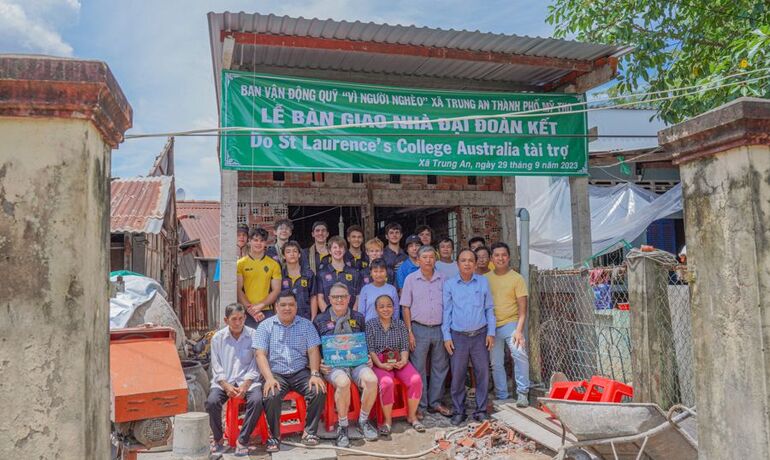
Mekong Delta for Vietnam service learning — what actually happens on the ground
Service learning in the Mekong Delta often looks straightforward on paper, but the reality is more complex. This article outlines what students actually do, the constraints they face, and how their experience evolves over the course of a typical program
Read more…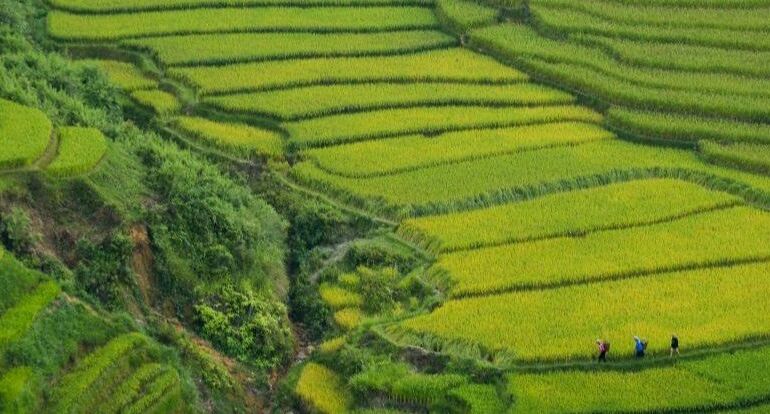
Best destinations for school trips in Vietnam — and what students actually learn in each
Choosing destinations is one of the first decisions in designing a school trip to Vietnam. This article looks at how key locations shape experiential learning, student engagement, and overall program outcomes.
Read more…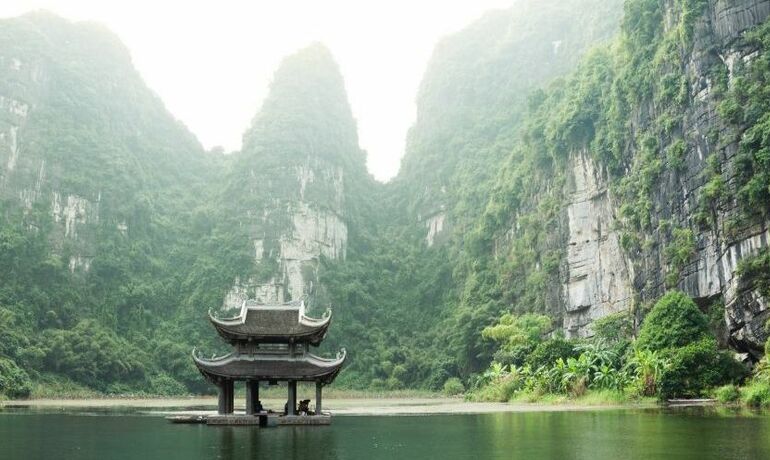
Designing school trips to Vietnam: from destinations to learning context
Where students go on a school trip matters more than is often acknowledged. In Vietnam, destinations shape not only engagement, but also how experiential learning unfolds in practice.
Read more…