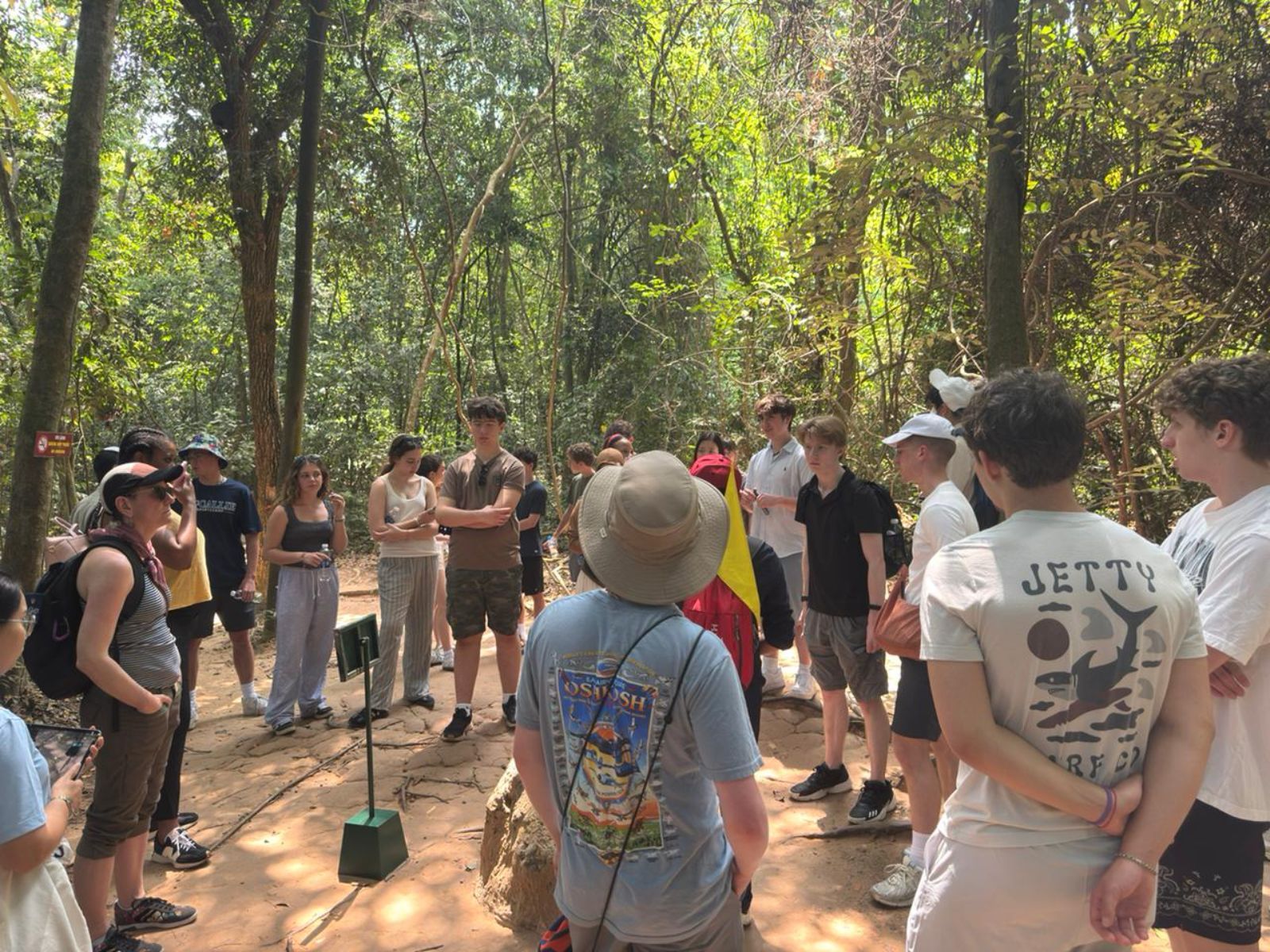
Most school trips are designed with good intentions. They expose students to new places, new cultures, and new perspectives. On paper, that should be enough to create meaningful learning.
In practice, it rarely is.
Many students return from trips with vivid memories but very little structured understanding. They remember moments, but struggle to explain what those moments meant, how they connect, or why they mattered beyond the immediate experience.
The issue is not the destination. It is how the experience is structured.
Exposure is not the same as learning
There is an assumption that placing students into a new environment automatically leads to deeper learning. This assumption is widespread, and it is also where most programs begin to fall apart.
Students can move through dense cities, historical sites, or cultural settings without actually understanding what they are seeing. They observe, but do not interpret. They experience, but do not process.
Without a framework, the environment becomes background rather than material.
This is where most trips stop short. They provide access, but not structure.
If you look at stronger models of educational travel in Vietnam, the difference is not where students go, but how those environments are used.
The problem is structural, not motivational
It is easy to assume that the issue lies with student engagement. That students are distracted, tired, or not paying attention.
In reality, the problem is usually structural.
Students are often asked to move quickly from one place to another, with very little time to sit inside an environment long enough to make sense of it. Activities are layered on top of each other, but not always connected. Reflection is either rushed or absent.
As a result, the experience becomes fragmented.
Students collect impressions, but those impressions do not accumulate into understanding.
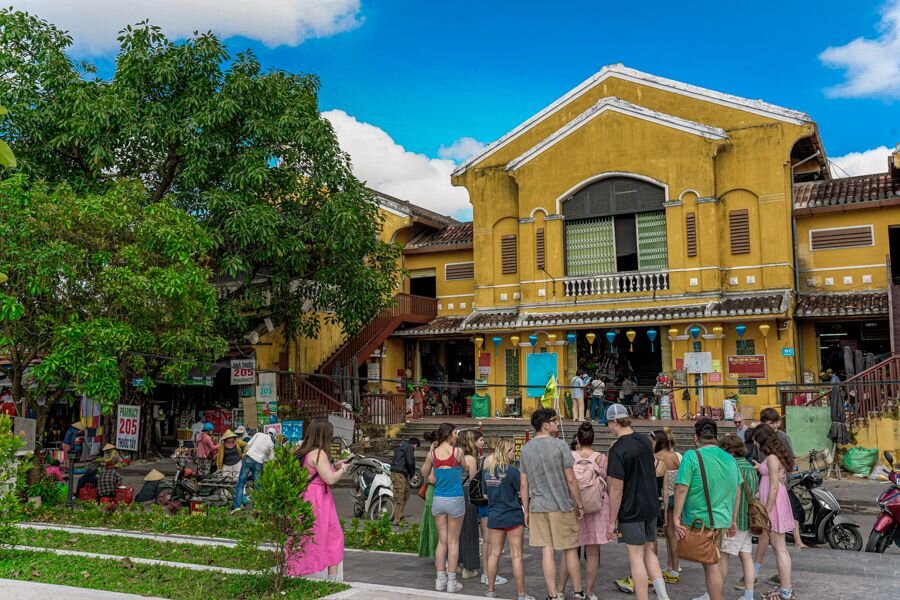
Without structure, dense environments remain impressions rather than understanding.
When everything is new, nothing stands out
Another issue is density.
In a new country, everything feels unfamiliar. Streets, sounds, movement, food, language — all of it competes for attention. Without guidance, students struggle to distinguish what matters from what is simply different.
This creates a kind of cognitive overload.
Instead of noticing patterns, students react to novelty. Instead of reading the environment, they move through it.
Stronger programs reduce this noise. They do not remove complexity, but they help students focus on specific aspects of it — movement, space, social interaction, economic activity — so that the environment becomes legible.
Short-term presence has limits
There is also a basic constraint that many programs avoid addressing.
Students are only in a place for a short time.
This limits what they can understand, contribute, or meaningfully engage with. Without acknowledging this constraint, programs tend to overpromise what the experience will achieve.
This is particularly visible in formats that lean toward engagement or service without enough structure. Students may feel active, but activity does not necessarily translate into learning.
Understanding these limits is not a weakness. It is part of designing a program that actually works.
What changes when structure is introduced
When structure is introduced, the same environments begin to function differently.
Students are prepared before entering a setting. They are given specific lenses to observe through. Time is allocated for processing, not just movement. Teachers or facilitators frame what is being seen, not by over-explaining, but by directing attention.
The result is not more activity. It is more clarity.
Students begin to notice patterns instead of isolated moments. They can connect what they are seeing to broader ideas. They retain more, not because they did more, but because the experience was shaped.
This is where trips begin to move from exposure to learning.
What this looks like in practice
In practice, this does not require dramatically different destinations. It requires different decisions about pacing, sequencing, and use of the environment.
Programs that work well tend to:
- spend longer in fewer places
- revisit themes across different contexts
- build in structured reflection rather than treating it as optional
- allow teachers to actively frame the experience rather than relying only on guides
These are not complicated changes, but they shift how students engage with what is around them.
You can see how this is applied in actual program design in our Vietnam school trips, where routes and activities are structured to support this kind of learning rather than just movement.
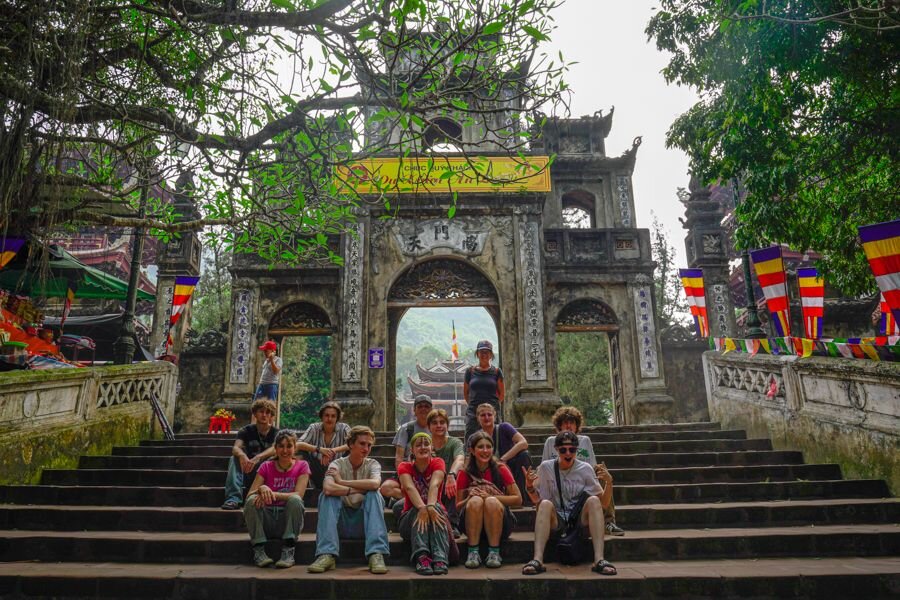
Structure does not reduce experience. It makes the experience legible.
The real question
The question is not whether travel can lead to deeper learning.
It can.
The real question is whether the program is designed to make that happen.
Without structure, most trips remain at the level of experience. With structure, the same trip can become something much more deliberate.
That difference is not abstract. It comes down to how the program is built, and what is expected from it.
If you are planning a program
If you are planning a school trip and trying to think about learning outcomes, it is worth starting from a simple place:
- What do you actually want students to understand?
- Where in the program will that understanding be built?
- What will help them process what they are seeing, not just record it?
Answering those questions usually leads to a different kind of program — one that is less about covering ground, and more about using it.
Not every trip needs to aim for this level of depth. But if that is the goal, it does not happen by default. It has to be designed.
More latest news
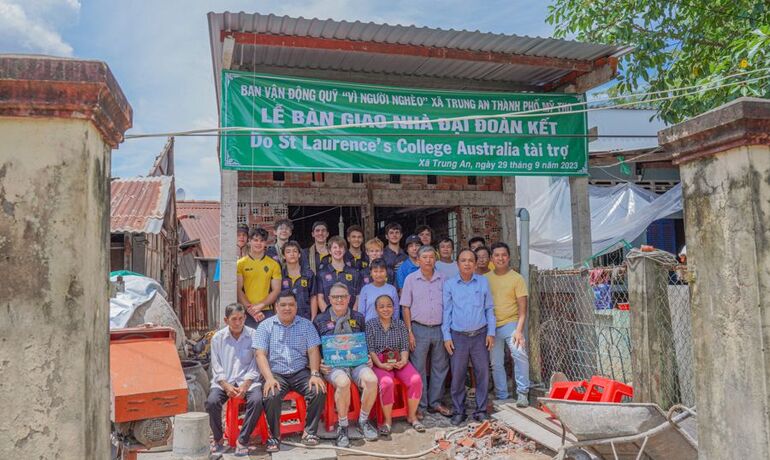
Mekong Delta for Vietnam service learning — what actually happens on the ground
Service learning in the Mekong Delta often looks straightforward on paper, but the reality is more complex. This article outlines what students actually do, the constraints they face, and how their experience evolves over the course of a typical program
Read more…
Best destinations for school trips in Vietnam — and what students actually learn in each
Choosing destinations is one of the first decisions in designing a school trip to Vietnam. This article looks at how key locations shape experiential learning, student engagement, and overall program outcomes.
Read more…
Designing school trips to Vietnam: from destinations to learning context
Where students go on a school trip matters more than is often acknowledged. In Vietnam, destinations shape not only engagement, but also how experiential learning unfolds in practice.
Read more…