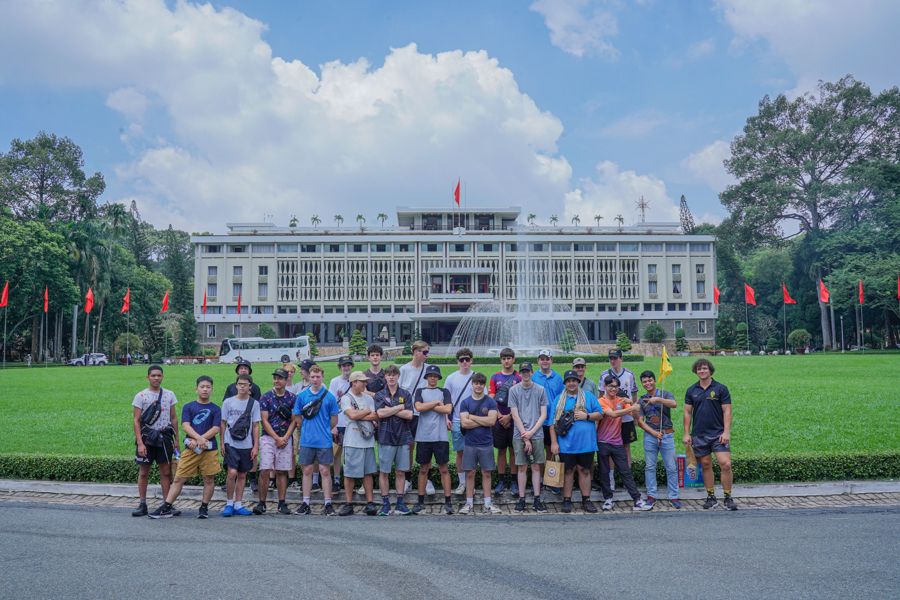
Vietnam can be a powerful setting for school travel. It is also not a straightforward one. Whether it works well depends less on the destination itself, and more on how the program is designed — and who it is designed for.
Is Vietnam a good destination for school trips?
The short answer is: sometimes.
Vietnam offers density, contrast, and environments that are very different from what many students are used to. That can make it a strong learning context.
At the same time, those same qualities can make it difficult to navigate without the right structure.
Vietnam is not a neutral destination. It amplifies both strong programs and weak ones.
What Vietnam offers
Vietnam is not a single type of environment.
It combines dense cities, historical layers, informal economies, and rapid development within a relatively small geographic range.
Students encounter:
- urban systems that are highly visible and constantly in motion
- historical narratives that are still present in public space
- regional differences that are noticeable even over short distances
- everyday activity that is accessible, not hidden
This makes Vietnam a strong setting for observation-based learning.
Vietnam offers environments that are dense, visible, and difficult to simplify.
Why it does not work for every group
The same qualities that make Vietnam valuable also create challenges.
The environment is active, sometimes unpredictable, and not designed for visitors.
Students are exposed to complexity early and quickly.
Without guidance, this can lead to overload rather than understanding.
Programs that rely heavily on passive touring or tightly controlled schedules often struggle here.
Vietnam requires interpretation. It does not explain itself.
Fit depends on the group
Vietnam tends to work better for groups that are open to working with complexity rather than avoiding it.
This includes:
- students who can observe and reflect, not just consume
- teachers who are willing to frame and guide the experience
- programs that allow time for processing, not just movement
It is more difficult for groups expecting a highly controlled, low-friction experience.
In those cases, the environment can feel overwhelming rather than useful.
You can see how these considerations are applied in high school trips in Vietnam, where student profile and program structure are aligned more deliberately.
Program design matters more than destination
A common mistake is to treat the destination as the main driver of value.
In reality, the same place can produce very different outcomes depending on how the program is structured.
Pacing, sequencing, and framing all play a role.
Without structure, students move through the environment without fully engaging with it.
With structure, the same environment becomes legible.
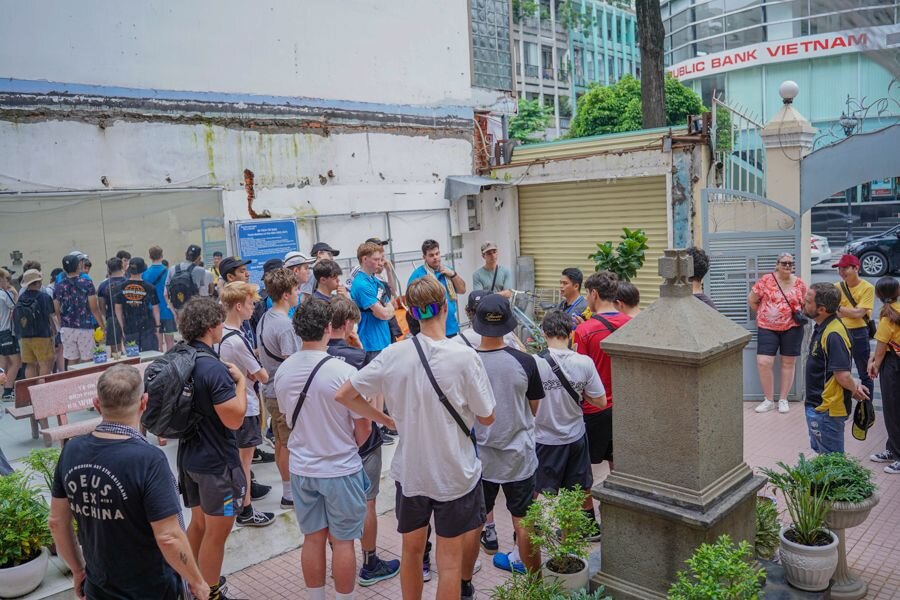
Structure determines whether students experience or understand what they see.
This is reflected in how Vietnam school trips are designed — where routes and environments are used intentionally, not just visited.
The real question
The question is not whether Vietnam is a good destination.
The real question is whether the program is designed in a way that can use what Vietnam offers.
Without that, the destination alone does very little.
Vietnam works well when the program is built for it. Otherwise, it exposes the weaknesses of the program very quickly.
More latest news
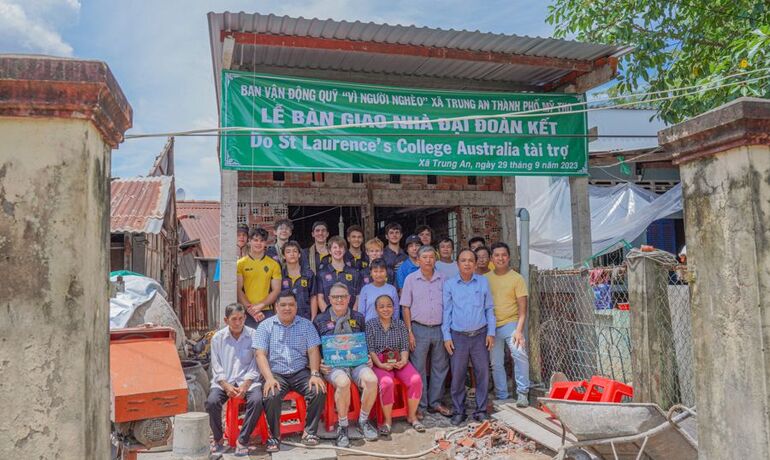
Mekong Delta for Vietnam service learning — what actually happens on the ground
Service learning in the Mekong Delta often looks straightforward on paper, but the reality is more complex. This article outlines what students actually do, the constraints they face, and how their experience evolves over the course of a typical program
Read more…
Best destinations for school trips in Vietnam — and what students actually learn in each
Choosing destinations is one of the first decisions in designing a school trip to Vietnam. This article looks at how key locations shape experiential learning, student engagement, and overall program outcomes.
Read more…
Designing school trips to Vietnam: from destinations to learning context
Where students go on a school trip matters more than is often acknowledged. In Vietnam, destinations shape not only engagement, but also how experiential learning unfolds in practice.
Read more…